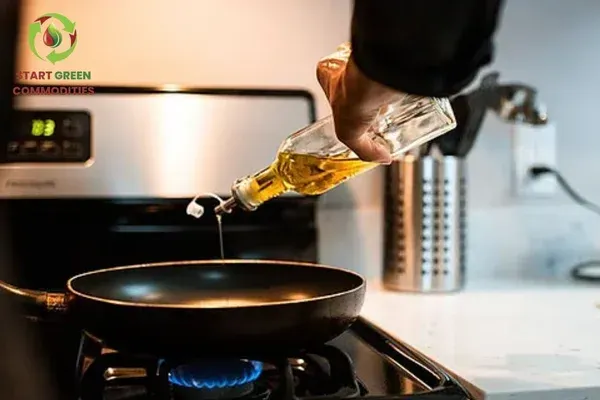
From Fryer to Fuel: How Used Cooking Oil Becomes Biodiesel
Table of Contents
Why Used Cooking Oil Is More Valuable Than You Think
What Is Biodiesel and How Is It Made?
The Complete Cooking Oil Recycling Process
From Waste to Wealth: Environmental and Economic Benefits
The Role of Sustainable Energy in Ventura’s Green Future
How Start Green Commodities Leads the Change
The Science Behind Turning Oil into Fuel
How Restaurants and Homes Can Join the Movement
Why Biodiesel from Used Oil Is the Future of Clean Energy
Final Thoughts
Why Used Cooking Oil Is More Valuable Than You Think
Most of us don’t think twice about what happens to the oil left behind after frying food. For restaurants and homes alike, that greasy liquid often seems like pure waste something to be tossed out or poured down the drain.
But here’s the truth: that used oil isn’t waste at all. It’s a renewable energy resource waiting to be unlocked.
When properly collected and recycled, this oil can be transformed into biodiesel a clean-burning, renewable fuel that reduces greenhouse gas emissions, cuts down on waste, and lessens our dependence on fossil fuels.
At Start Green Commodities, we believe that what was once seen as a problem can actually be part of the solution. Through advanced cooking oil recycling processes, we help homes, restaurants, and businesses across Ventura and surrounding areas turn kitchen waste into sustainable energy that powers a greener tomorrow.
What Is Biodiesel and How Is It Made?
Biodiesel is a renewable fuel made by chemically converting oils and fats like used cooking oil into a cleaner-burning alternative to petroleum diesel.
Unlike fossil fuels that release carbon stored underground for millions of years, biodiesel from used oil is carbon-neutral. The CO₂ it emits when burned is offset by the CO₂ absorbed by the plants that originally produced the oil.
This makes biodiesel one of the most eco-friendly fuels available today. It can be used in diesel engines, heating systems, and even for electricity generation with minimal modification.
Key characteristics of biodiesel include:
100% biodegradable
Non-toxic and safer to handle
Reduces carbon emissions by up to 78%
Can be blended with regular diesel (B20, B50, or B100)
In short, biodiesel represents the perfect bridge between waste reduction and clean energy and it all begins with your leftover cooking oil.
The Complete Cooking Oil Recycling Process
Turning fryer oil into fuel might sound complicated, but it’s a carefully structured process that combines chemistry, sustainability, and technology. Let’s walk through each step.
Step 1: Collection
Used cooking oil is collected from households, restaurants, and food manufacturing facilities. In cities like Ventura, reliable partners such as Start Green Commodities handle this process safely and efficiently, ensuring no oil ends up in landfills or drains.
Step 2: Transportation
Once collected, the oil is transported in sealed containers to our recycling facility. Proper handling is crucial at this stage to avoid contamination and ensure the oil remains suitable for refining.
Step 3: Filtration and Cleaning
The first stage of refining involves removing impurities like food particles, water, and leftover seasoning. Filtration ensures that only pure oil moves forward into the chemical processing stage.
Step 4: Degumming and Deacidification
Next, the oil undergoes a degumming process to remove phospholipids, followed by deacidification to neutralize free fatty acids. This makes the oil chemically stable and ready for conversion.
Step 5: Transesterification
Here’s where the real transformation happens.
The cleaned oil reacts with alcohol (usually methanol) in the presence of a catalyst like sodium hydroxide. This chemical reaction produces biodiesel (methyl esters) and glycerin as a byproduct.
Step 6: Separation and Purification
The biodiesel and glycerin are separated, and the biodiesel is washed, dried, and tested for quality control. The result is a clean, renewable fuel that meets ASTM standards for performance and safety.
Step 7: Distribution
Finally, the biodiesel is distributed to fuel stations, fleet operators, and businesses that use it as an alternative energy source.
This circular process not only saves the environment from pollution but also contributes to local economies and energy independence.
From Waste to Wealth: Environmental and Economic Benefits
Recycling used oil into biodiesel isn’t just good for the planet it’s also smart business.
1. Reduces Pollution and Protects Waterways
Pouring oil down the drain leads to serious kitchen grease issues clogged pipes, sewer blockages, and water contamination. Every gallon of oil recycled means fewer pollutants entering rivers and oceans.
2. Lowers Carbon Emissions
Switching to biodiesel from used oil can reduce carbon dioxide emissions by up to 78%, making it one of the most effective carbon footprint reduction methods available.
3. Saves Money for Businesses
Restaurants and commercial kitchens that recycle oil can save on disposal costs and even earn revenue by selling used oil to recyclers like Start Green Commodities.
4. Creates Local Green Jobs
The biodiesel industry creates opportunities in collection, processing, transportation, and technology, supporting the green economy right here in Ventura.
5. Promotes Circular Economy
Instead of a linear “use and dispose” model, oil recycling encourages a circular economy, where resources are reused and regenerated continuously.
The Role of Sustainable Energy in Ventura’s Green Future
Ventura, known for its stunning coastal beauty, is also becoming a hub for sustainable energy initiatives. The region has embraced renewable energy Ventura programs that aim to cut emissions and promote responsible waste management.
Used cooking oil recycling plays a major role in this movement. By converting waste oil into biodiesel, Ventura businesses contribute to:
Cleaner air and reduced pollution
Fewer landfill contributions
Local renewable energy generation
At Start Green Commodities, we’re proud to be part of this transition. Our services help households and restaurants adopt greener practices while making sustainable energy accessible to all.
To learn more about how recycling oil helps reduce environmental impact, check out this detailed post:
👉 Carbon Footprint Reduction Through Oil Recycling
How Start Green Commodities Leads the Change
Our company’s mission is simple turn waste into worth.
With years of experience in used cooking oil recycling, Start Green Commodities provides end-to-end solutions that make sustainability practical and profitable.
Here’s how we stand out:
Reliable collection service across homes, restaurants, and commercial kitchens
Advanced refining technologies ensuring high-quality biodiesel output
Eco-compliance with local and federal environmental regulations
Partnerships with green energy producers and biodiesel manufacturers
We’re more than a recycling company we’re a sustainability partner for communities, helping businesses meet their environmental goals while keeping operations clean and compliant.
The Science Behind Turning Oil into Fuel
The transformation from cooking oil to biodiesel involves fascinating science. Through transesterification, the triglycerides in used oil are converted into fatty acid methyl esters (FAME) the chemical name for biodiesel.
Each molecule of used oil produces almost an equal amount of biodiesel, making the process highly efficient. Even the glycerin byproduct can be reused to make soaps, cosmetics, and other industrial materials ensuring zero waste throughout.
This efficiency demonstrates why cooking oil recycling process is one of the most sustainable technologies in the renewable energy sector.
How Restaurants and Homes Can Join the Movement
Getting involved is easier than you think.
Whether you’re a restaurant owner managing hundreds of gallons of fryer oil or a homeowner looking to make an eco-friendly change, proper oil disposal and recycling make a huge impact.
For Restaurants
Schedule regular oil collection with trusted recyclers.
Store used oil in sealed containers to prevent leaks.
Train staff on safe handling and storage practices.
Partner with a licensed collector like Start Green Commodities to ensure compliance.
For Homeowners
Never pour oil down the drain it clogs pipes and harms water systems.
Use a small collection container for used oil.
Drop it off at a recycling center or contact Start Green Commodities for pickup options.
Each step you take supports cleaner air, less waste, and a more sustainable community.
Why Biodiesel from Used Oil Is the Future of Clean Energy
The demand for renewable energy is growing faster than ever. As climate concerns rise, biodiesel from used oil provides a real, immediate solution that doesn’t require radical infrastructure changes.
It fits perfectly within existing diesel systems, making it a practical transition fuel for the green energy era. Plus, its production supports the reuse of local resources, reducing dependency on imported fossil fuels.
In regions like Ventura, where sustainability meets innovation, biodiesel isn’t just a fuel it’s a statement of responsibility toward our planet.
Final Thoughts
The journey from fryer to fuel is more than a chemical transformation it’s a symbol of sustainable progress.
Every drop of oil recycled helps fight climate change, prevent pollution, and promote renewable energy. Through the cooking oil recycling process, what once caused kitchen grease issues now drives vehicles, powers generators, and fuels a cleaner future.
At Start Green Commodities, we’re proud to lead this green revolution one gallon at a time. By turning waste into clean, sustainable energy, we’re not only protecting the planet but also empowering communities across Ventura and beyond.
If you’re ready to make a difference, start small: recycle your used oil. Because when it comes to sustainability, even the smallest actions can create the biggest impact.