The Hidden Dangers of Pouring Used Oil Down the Drain
Table of Contents
Why Used Oil Disposal Matters
When you pour oil down the drain What happens.
Environmental Impact: Beyond the Kitchen Sink
Common Kitchen Grease Issues and Their Hidden Costs
Smart Clogged Drain Prevention Tips for Homeowners
Sustainable Cooking Oil Disposal Tips
How Recycling Helps Create a Greener Future
Partnering With Start Green Commodities for Responsible Oil Collection
Final Thoughts
Why Used Oil Disposal Matters
When you finish cooking that crispy batch of fries or sautéing dinner, it’s easy to think pouring leftover oil down the drain is harmless. After all, it’s a liquid it should flow away, right? Unfortunately, that simple act can cause massive plumbing problems, contribute to sewer blockages, and even damage the environment.
Every drop of oil that goes down your sink starts a chain reaction. What seems like a convenient shortcut can quickly turn into a nightmare of clogs, bad odors, and expensive repair bills. Understanding clogged drain prevention is not just a matter of home maintenance it’s part of your role in keeping the environment clean and healthy.
What Happens When You Pour Oil Down the Drain
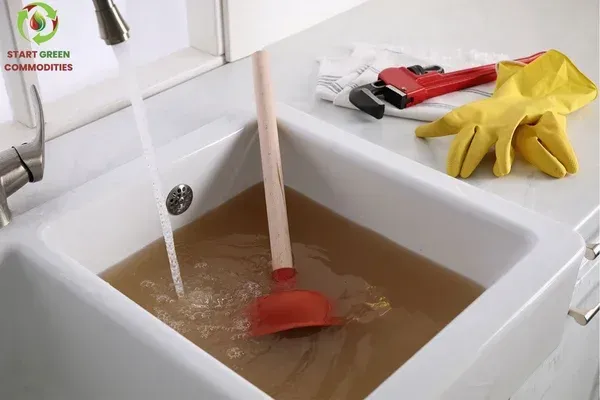
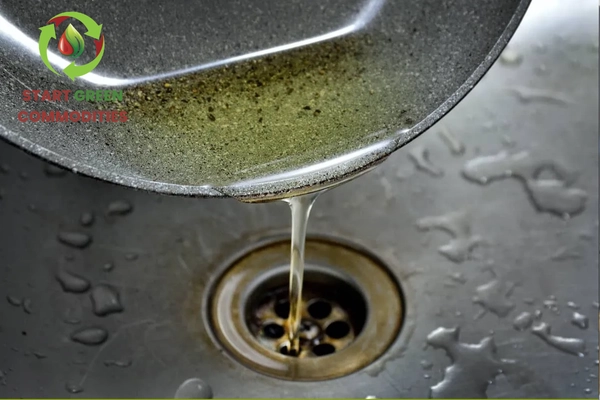
Here’s the truth: cooking oil doesn’t mix well with water. When you pour it into your sink, it doesn’t simply wash away. Instead, it sticks to the insides of your pipes and begins to cool and harden.
Over time, that hardened oil combines with food scraps, soap residue, and other debris. The result? Thick, sticky blockages known as fatbergs massive clumps of grease that can clog your home plumbing and even entire municipal sewage systems.
Cities like London and New York spend millions of dollars each year dealing with grease blockages in their sewer lines. And it all starts with small actions households and restaurants washing oil down the drain.
Environmental Impact: Beyond the Kitchen Sink
Improper disposal of cooking oil goes beyond just plumbing. When oil makes its way into waterways, it forms a thin film on the surface of water bodies. This film blocks oxygen exchange, suffocating aquatic life and disturbing delicate ecosystems.
Used cooking oil that enters storm drains can travel to rivers, lakes, and oceans, where it contaminates water sources and harms wildlife. In severe cases, it can cause long-term damage to soil and vegetation.
By simply changing how you handle kitchen waste, you can play a crucial role in reducing pollution and protecting your community’s natural resources.
For more insights on how sustainable oil recycling supports cleaner energy and a healthier environment, check out this detailed post on carbon footprint reduction by Start Green Commodities.
Common Kitchen Grease Issues and Their Hidden Costs
The grease that builds up in your drains doesn’t just vanish it causes a ripple effect of problems that impact your wallet and the environment:
Slow Draining Sinks:
The first sign of a problem is usually a sluggish drain. As grease accumulates, it narrows the passage of water, forcing it to drain slowly.Unpleasant Odors:
Decomposing oil and food waste trapped in your pipes can create foul smells that linger in your kitchen and plumbing system.Backups and Flooding:
When blockages worsen, they can cause water (and sometimes sewage) to back up into your sinks or floors a costly and unpleasant mess to clean.Structural Damage:
In severe cases, leaks caused by pressure buildup can damage pipes and even your home’s foundation.Environmental Fines for Businesses:
For restaurants, improper disposal of grease can lead to environmental violations and heavy fines.
These kitchen grease issues are avoidable with the right disposal habits and professional waste oil management.
Smart Clogged Drain Prevention Tips for Homeowners
Preventing clogs starts with being proactive. Here’s how to manage your kitchen waste responsibly and keep your pipes grease-free:
Never pour oil down the drain. Always let it cool and solidify before disposal.
Wipe greasy pans with paper towels before washing them.
Install sink strainers to catch food particles.
Use enzyme-based drain cleaners instead of harsh chemicals that can damage your plumbing.
Schedule regular pipe maintenance to prevent buildup.
But the smartest move? Recycle your oil. Turning waste into renewable energy not only prevents plumbing disasters but also contributes to sustainability.
Sustainable Cooking Oil Disposal Tips
Recycling used cooking oil is one of the most responsible ways to manage kitchen waste. The following are safe and effective methods of doing it:
Cool It Down:
Let your used oil cool completely after cooking.Strain It:
Remove food particles using a fine strainer or cheesecloth.Store It Properly:
Pour the oil into a clean, sealable used cooking oil disposal container made of plastic or metal.Contact a Local Collection Service:
In areas like Ventura and across California, companies like Start Green Commodities offer reliable cooking oil collection and recycling programs.Never Mix It with Other Liquids:
Keep oil separate from water or chemicals to ensure it can be properly processed.
By following these cooking oil disposal tips, you help convert waste into valuable renewable energy while protecting your community’s infrastructure.
How Recycling Helps Create a Greener Future
When collected and processed correctly, used cooking oil doesn’t go to waste it gets transformed into biodiesel, a cleaner-burning alternative to petroleum-based diesel. This recycling process reduces carbon emissions and lowers dependence on fossil fuels.
The journey looks like this:
Collection:
Used oil is picked up from homes and businesses through cooking oil collection programs like those operated by Start Green Commodities.Filtering and Refining:
The oil is cleaned, filtered, and treated to remove food particles, water, and impurities.Conversion:
Through a chemical process called transesterification, the oil is transformed into biodiesel.Usage:
This eco-friendly fuel powers vehicles, equipment, and generators helping communities move toward a cleaner energy future.
Each gallon of recycled oil represents a step toward a more sustainable planet turning waste into a renewable resource that benefits everyone.
Partnering With Start Green Commodities for Responsible Oil Collection
At Start Green Commodities, sustainability isn’t just a goal it’s a commitment. The company provides professional cooking oil collection in Ventura and surrounding regions, ensuring that used oil from homes and restaurants never ends up in drains or landfills.
Their used cooking oil recycling program transforms everyday waste into