How to Protect Your Restaurant from Used Cooking Oil Fires
Table of Contents
Why Used Cooking Oil Fires Are So Dangerous
Common Causes of Cooking Oil Fires in Restaurants
The Role of Used Cooking Oil Collection in Fire Prevention
Proper Storage Practices to Reduce Fire Risk
Safe Handling Techniques Every Kitchen Must Follow
Why Regular Oil Recycling Matters More Than You Think
Choosing the Right Oil Recycling Near Me
Staff Training: Your First Line of Defense
Grease Management and Fire Prevention
Emergency Response: What to Do If a Fire Breaks Out
Long-Term Benefits of Fire Prevention Strategies
Final Thoughts
Why Used Cooking Oil Fires Are So Dangerous
Used cooking oil fires are among the most dangerous types of fires in commercial kitchens. Unlike other fires, oil fires burn hotter, spread faster, and are extremely difficult to extinguish.
Here’s why they’re such a big risk:
Oil has a low ignition point when reused multiple times
It can splatter and spread flames quickly
Water makes the fire explode instead of extinguish
Flames can spread through grease buildup in vents and traps
A single mistake like overheating oil or improper disposal can lead to catastrophic damage, shutdowns, or even injuries.
Common Causes of Cooking Oil Fires in Restaurants
The initial stage of prevention is the comprehension of the underlying causes. Most oil fires happen due to avoidable mistakes.
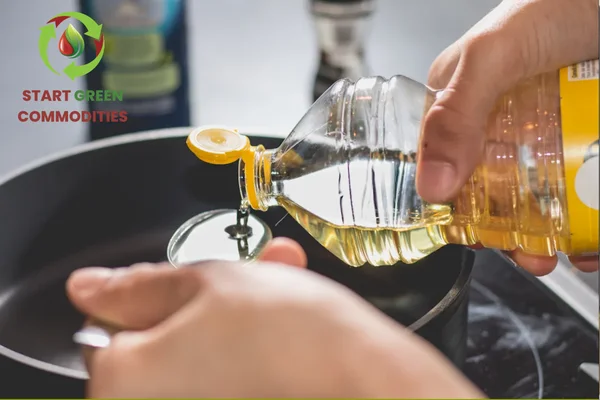
1. Overheating Oil
When oil exceeds its smoke point, it becomes unstable and can ignite.
2. Poor Oil Storage
Storing used oil in open or unsafe containers increases fire risk.
3. Grease Build-Up
Accumulated grease in hoods, ducts, and traps can ignite from a small spark.
4. Improper Disposal Methods
Dumping oil improperly or keeping it in unsafe areas can trigger fires.
5. Lack of Maintenance
Ignoring routine cleaning and inspections allows hazards to build up.
The Role of Used Cooking Oil Collection in Fire Prevention
One of the most effective ways to reduce fire risk is through professional used cooking oil collection services.
When you rely on expert collection:
Oil is removed regularly and safely
There’s no need to store large quantities on-site
Spill risks are minimized
Fire hazards are significantly reduced
Instead of letting used oil pile up in your kitchen or storage area, proper collection ensures it’s handled in a controlled, safe environment.
Proper Storage Practices to Reduce Fire Risk
Even if you have regular collection, short-term storage matters.
Use Fire-Safe Containers
Always store used oil in metal, sealed containers designed for high temperatures.
Keep Oil Away from Heat Sources
Never place oil containers near stoves, fryers, or open flames.
Label Clearly
Separate used oil from fresh oil to avoid accidental misuse.
Avoid Overfilling
Overfilled containers can spill easily, increasing fire risk.
Store in Designated Areas
Keep oil in a well-ventilated, low-traffic area away from ignition sources.
Safe Handling Techniques Every Kitchen Must Follow
Daily kitchen operations play a huge role in preventing oil fires.
Cool Oil Before Handling
Never transfer hot oil into storage containers. Always allow it to cool first.
Avoid Water Contact
Even a small amount of water can cause oil to splatter violently.
Use Proper Equipment
Use pumps or filtration systems instead of manually pouring oil.
Clean Spills Immediately
Oil spills are not just slip hazards they’re fire hazards too.
Why Regular Oil Recycling Matters More Than You Think
Many restaurant owners underestimate how important Restaurant Cooking Oil Recycling is for safety not just sustainability.
Here’s how recycling helps prevent fires:
Reduces the volume of oil stored on-site
Prevents oil degradation that leads to combustion
Eliminates improper disposal risks
Keeps your kitchen cleaner and safer
Working with a professional recycling partner ensures your oil is handled responsibly and consistently.
Choosing the Right Oil Recycling Near Me
Searching for oil recycling near me can bring up many optionsbut not all services are equal.
Here’s what to look for:
Reliability
Choose a company that offers scheduled pickups so oil never accumulates.
Safety Standards
Ensure they follow proper safety and environmental protocols.
Spill-Free Systems
Modern collection systems reduce mess and risk.
Experience
A proven track record means fewer risks for your business.
For example, partnering with a trusted provider like kernuco ensures your oil is managed professionally, reducing both fire hazards and operational stress.
Staff Training: Your First Line of Defense
Even the best systems fail without proper training.
Your staff should know:
How to handle hot oil safely
What to do in case of spills
How to identify fire risks
Proper disposal procedures
Conduct Regular Training Sessions
Safety training should be a normal aspect of your operations. Use Clear SOPs (Standard Operating Procedures)
Document every step of oil handling and disposal.
Encourage Accountability
Create a culture where safety is everyone’s responsibility.
Grease Management and Fire Prevention
Oil fires don’t just start in fryers they often begin in hidden areas.
Clean Grease Traps Regularly
Blocked grease traps can overflow and create fire hazards.
Maintain Exhaust Systems
Grease buildup in ducts is one of the leading causes of kitchen fires.
Schedule Professional Cleaning
Routine deep cleaning reduces long-term risks.
Emergency Response: What to Do If a Fire Breaks Out
Even with precautions, emergencies can happen. Being prepared can save lives and property.
Never Use Water
Water will spread the fire instantly.
Use a Class K Fire Extinguisher
These are specifically designed for oil fires.
Turn Off Heat Sources
If safe, shut down fryers or gas lines.
Evacuate Immediately
Ensure staff and customers leave the area safely.
Call Emergency Services
Don’t try to handle large fires alone.
Long-Term Benefits of Fire Prevention Strategies
Investing in fire prevention isn’t just about safety it’s also good for business.
Reduced Insurance Costs
Safer operations can lower premiums.
Avoid Costly Damages
Fire damage can shut down your restaurant for weeks or months.
Improved Staff Confidence
A safe workplace boosts morale and productivity.
Better Compliance
Meeting safety regulations avoids fines and legal issues.
Stronger Reputation
Customers trust restaurants that prioritize safety and cleanliness.
Final Thoughts
Protecting your restaurant from used cooking oil fires isn’t complicated but it does require consistency, awareness, and the right systems in place.
By focusing on:
Reliable used cooking oil collection
Professional Restaurant Cooking Oil Recycling
Safe storage and handling
Regular maintenance and staff training
you can significantly reduce fire risks and create a safer, more efficient kitchen.
Don’t wait for a close call to take action. Start implementing these strategies today and partner with trusted professionals who understand the importance of safety and sustainability.