Why Restaurants Should Train Staff on Used Oil Handling Procedures
Introduction:
Running a successful commercial kitchen is a high-wire balancing act. Between managing food costs, maintaining immaculate hygiene standards, keeping up with rapid ticket times, and navigating thin profit margins, restaurant operators have their hands full. Amidst the chaos of a busy dinner rush, it is easy to overlook what happens to your ingredients after they leave the frying pan.
However, how your back-of-house (BOH) team manages liquid gold specifically, your fry oil can make or break your kitchen’s safety, regulatory compliance, and bottom line.
Improper disposal of kitchen waste is an expensive mistake. In fact, ignoring the true financial impact of poorly managed grease can quietly drain your profits through plumbing emergencies and regulatory fines, a reality detailed extensively in this analysis on restaurant oil waste costs.
To protect your business, building a culture centered around strict restaurant sustainability practices and implementing rigorous training on used cooking oil recycling isn't just an eco-friendly choice it is a operational necessity.
1. The Cost of Carelessness: What Happens Without Proper Training?
When kitchen staff are left untrained on proper disposal protocols, they naturally default to the path of least resistance. Under pressure to close a kitchen quickly at the end of a 12-hour shift, an untrained line cook or dishwasher might pour leftover grease directly down the sink or toss it into a standard trash dumpster.
These shortcuts create a cascade of expensive, hazardous problems.
The Rise of Fatbergs and Plumbing Catastrophes
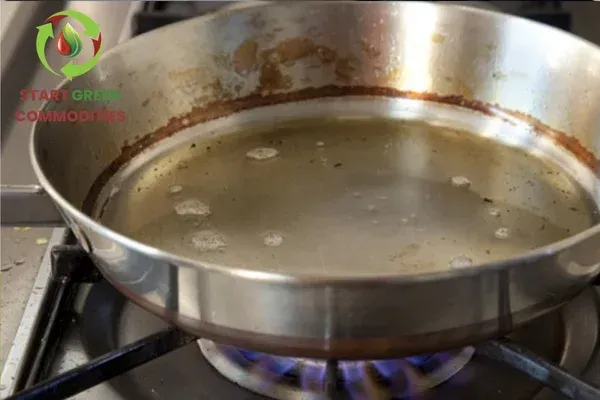
Pouring grease down the drain is the fast track to a commercial plumbing disaster. While liquid fat is warm and fluid when it leaves the pan, it cools rapidly inside your drainage pipes. As it solidifies, it clings to the interior walls of your plumbing, trapping food particles, wet wipes, and other debris.
Over time, this accumulation forms a rock-hard mass known as a fatberg.
The Result: Severe pipe constriction, raw sewage backups into your dish pit, foul odors that reach your dining room, and emergency plumbing bills that can easily cost thousands of dollars.
The Solution: Preventing this requires a dual approach: rigorous staff protocols and routine commercial grease management. Keeping your lines clear means establishing a regular maintenance schedule with a reliable local service provider. For immediate local assistance, operators frequently search for grease trap cleaning near me to locate certified professionals who can clean interceptors before they overflow.
Slip-and-Fall Hazards in the BOH
Used cooking oil is incredibly slick. When staff transport heavy, open buckets of hot oil to an outdoor rendering tank without proper training or equipment, spills are inevitable.
An oil slick on a kitchen tile floor or a greasy back alleyway creates a high-risk environment for devastating slip-and-fall accidents. According to the Occupational Safety and Health Administration (OSHA), slips, trips, and falls constitute the majority of general industry accidents, leading to costly workers' compensation claims, lost productivity, and potential legal liabilities for restaurant owners.
Severe Burn Risks
Freshly drained fryer oil can sit at temperatures well over $300^\circ\text{F}$ ($149^\circ\text{C}$). Attempting to filter or dump oil while it is still scorching hot without wearing personal protective equipment (PPE) is a recipe for severe, life-altering third-degree burns. Proper training teaches staff the patience required to let oil cool to safe handling temperatures, alongside the mechanics of secure transport.
Pest Infestations and Environmental Fines
When oil is carelessly discarded in standard trash dumpsters rather than dedicated, sealed recycling containers, it leaks into the surrounding enclosure. This greasy buildup acts as a beacon for rodents, insects, and birds.
Furthermore, rainwater can wash this leaked oil into public storm drains, leading directly to local waterways. Environmental protection agencies take storm drain contamination incredibly seriously; a single major oil leak can result in municipal fines reaching tens of thousands of dollars.
2. Operational Benefits of Used Cooking Oil Handling Procedures
Investing time into training your culinary team on standard operating procedures (SOPs) for oil management isn't just a defensive strategy against disasters; it actively optimizes your entire kitchen operation.
Extending the Lifespan of Cooking Oil
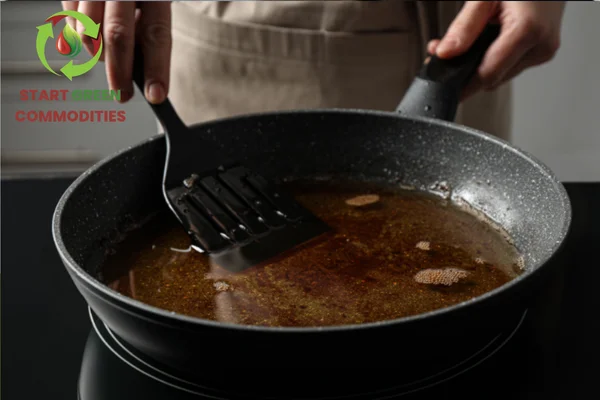
Cooking oil is one of the most volatile expenses in a kitchen's budget. When staff are properly trained in routine filtration, skim testing, and fry pot maintenance, the usable life of your oil can be extended by 30% to 50%.
Teaching your staff how to properly skim out loose carbonized food particles throughout the day prevents the oil from breaking down prematurely through a process called hydrolysis. Sweeter, cleaner oil means more consistent food quality, crispier textures, and a massive reduction in your weekly oil purchasing costs.
Streamlining the Kitchen Closing Routine
A well-trained kitchen is an efficient kitchen. When every member of the BOH team knows precisely who is responsible for the fryers, how to operate the filtration pump, and where the oil is safely stored, the end-of-night breakdown moves like clockwork.
Instead of panic-driven cleanups and dangerous shortcuts, a standardized checklist ensures that the task is completed swiftly, safely, and uniformly every single night.
Ensuring Regulatory Compliance
Health inspectors and municipal wastewater officials keep a close eye on food service establishments. Cities mandate strict logging of how grease traps are maintained and how used cooking oil is collected.
By implementing an airtight training program, your team will naturally maintain the clean, compliant environment that keeps inspectors happy, protecting your business from sudden operational shutdowns or failed health scores.
3. Step-by-Step Training Framework for Kitchen Staff
To build a flawless oil management system, you need a clear, actionable training blueprint. Use this structured breakdown to onboard new hires and execute refresher courses for your existing team.
Step 1: Safety and Personal Protective Equipment (PPE)
Before any employee touches a fryer, they must understand the safety apparatus. Never assume a line cook knows the risks inherently.
The Cool-Down Mandate: Establish a strict rule that fryers are never drained or filtered immediately after turning them off. Oil must cool to a safe threshold (ideally under $130^\circ\text{F}$ or $54^\circ\text{C}$) before handling.
The PPE Uniform: Mandate the use of heat-resistant, heavy-duty aprons, splash-proof face shields, and long, insulated safety gloves that cover the forearms. Standard latex or nitrile gloves will melt instantly upon contact with hot oil.
Step 2: Best Practices for Daily Oil Filtration
Filtration removes the microscopic food sediment that destroys oil quality and causes smoke points to drop prematurely.
Skimming: Train cooks to use a fine-mesh skimmer to clear floating batter and food particles every 30 minutes during service.
Polishing the Oil: Walk staff through using commercial oil filtration machines or manual paper cone filters. Teach them how to apply filtering powder (magnesium silicate), which binds to soluble impurities and free fatty acids, restoring the oil’s clarity.
Step 3: Safe Extraction and Transport to the Storage Tank
Moving oil from the kitchen to the outdoor containment unit is the most vulnerable phase of the process.
Utilize Shuttles: Ban the practice of carrying open plastic buckets or stockpots of oil across the kitchen. Insist on using dedicated, wheeled, airtight oil transport shuttles.
The "Two-Person Rule": If heavy lifting is required to lift a portable shuttle up to the lip of an outdoor bin, mandate that two employees execute the lift together to prevent catastrophic drops or splashes.
The Storage Rule: Train staff to ensure the outdoor recycling tank lid is locked securely after every deposit to prevent theft and keep rainwater out.
Step 4: Grease Trap Awareness and Spill Management
Your staff must understand that the grease trap under the three-compartment sink is not a trash can.
Scrape, Don't Rinse: Train dishwashers to thoroughly scrape all plates, sheet pans, and frying pans into the organic trash bins before rinsing them in the sink.
The Dry Cleanup Protocol: In the event of a floor spill, staff must never spray water down with a hose, which spreads the slick across a larger surface area. Instead, they should apply an absorbent material (like kitty litter or commercial oil absorbent powder), let it soak up the liquid, sweep it into a trash bag, and follow up with an industrial degreaser.
4. The Sustainability Angle: Turning Waste into a Value Stream
In the modern hospitality landscape, consumers care deeply about where their food comes from and what happens to the waste generated by the establishments they frequent. Adopting sustainable practices is no longer an optional marketing gimmick; it is a core expectation of your customer base.
The Mechanics of Used Cooking Oil Recycling
What happens to your oil after it leaves your restaurant? When you partner with a certified waste oil collector, your discarded fat does not sit in a landfill. Instead, it undergoes a highly technical refinement process:
Dehydration and Filtration: The collected oil is heated to separate water from pure lipids, and industrial filters screen out remaining organic material.
Transesterification: The purified oil is chemically reacted with an alcohol (like methanol) to break down the fat molecules into fatty acid methyl esters—commonly known as biodiesel.
The Global Impact: Biodiesel burns significantly cleaner than traditional petroleum diesel, reducing carbon dioxide emissions by up to 85%. By training your staff to keep your waste oil pure and unadulterated (free of trash, water, and chemical cleaners), you are directly fueling a green energy supply chain.
Boosting Brand Loyalty Through Green Practices
When your team is trained in restaurant sustainability practices, it gives your marketing team powerful, authentic stories to tell. You can proudly feature your recycling metrics on your menus, website, and social media channels.
Let your guests know that by dining at your restaurant, they are supporting an ecosystem that reduces municipal water pollution and converts waste into clean energy. This builds deep, values-based loyalty with eco-conscious diners who are willing to pay a premium for sustainable dining options.
5. How to Build an Accountable Kitchen Culture
A training protocol is only as good as its execution. To ensure your staff maintains these high standards when the management team isn't looking, you must weave oil management directly into the fabric of your kitchen culture.
Visual Aids and Multilingual Signage
Kitchens are loud, fast-paced, and highly multicultural. Text-dense training manuals kept in an office binder will quickly gather dust. Instead, print out laminated, highly visual step-by-step guides and mount them directly above your fry stations and dish pits.
Ensure all signage is translated into the native languages spoken by your BOH staff (such as Spanish, Mam, or Tagalog). Clear iconography showing a checkmark next to an oil shuttle and an "X" over a sink drain communicates expectations instantly across any language barrier.
Incorporate Oil Management into Micro-Training
Do not rely on a single, overwhelming onboarding session to train your staff. Instead, implement "micro-training" modules during your daily pre-shift family meals or huddles. Spend just two minutes reviewing a specific aspect of grease management such as the proper way to scrape plates or how to spot a failing grease trap seal.
Incentivize Compliance and Efficiency
Turn waste management into a game or a source of pride. Track your oil yields and filtration consistency. If your kitchen team successfully lowers weekly oil purchasing costs by 20% through diligent filtration and clean recycling practices, share those wins.
Consider tying kitchen bonuses or end-of-month perks (like a team pizza party or gift cards) directly to hitting sustainability targets and passing grease trap inspections with flying colors. When your crew has skin in the game, compliance becomes self-sustaining.
Summary Checklist for Kitchen Leadership
To audit your current kitchen setup today, verify that your operation ticks every box below:
By treating used cooking oil as a valuable resource requiring precision management rather than an afterthought, you insulate your kitchen from costly plumbing disasters, protect your staff from debilitating injuries, lower your food costs, and position your brand as a leader in modern restaurant sustainability. Train your team right, establish clear accountability, and watch your kitchen run smoother, safer, and more profitably.