The Economic Impact of Cooking Oil Recycling in Ventura County
Introduction,
Sustainability is often discussed in terms of environmental responsibility, but its economic impact is just as powerful especially at the local level. In Ventura County, one industry quietly making a big difference is used cooking oil collection. What was once seen as a disposal problem for restaurants has evolved into an economic driver that supports jobs, strengthens local businesses, and builds long-term partnerships across the region.
From family-owned restaurants to large commercial kitchens, cooking oil recycling has become more than a compliance requirement. It’s a system that fuels local employment, reduces operational costs, and keeps money circulating within the community. As demand grows for responsible waste solutions, Ventura County is emerging as a strong example of how recycling can support both sustainability and economic growth.
This blog explores how cooking oil recycling contributes to job creation, economic stability, and business partnerships while positioning Ventura County as a forward-thinking local economy.
Understanding Used Cooking Oil Collection
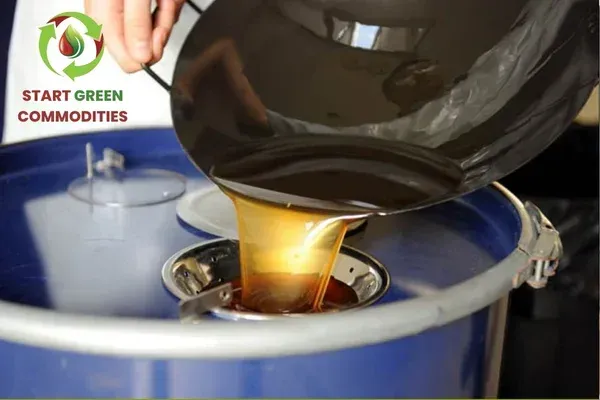
Used cooking oil collection refers to the organized pickup and recycling of oil that restaurants and food service businesses no longer need. Instead of disposing of oil improperly or paying high waste management fees, businesses partner with licensed recycling providers who collect and repurpose the oil.
The recycled oil is commonly converted into biodiesel and other industrial products, giving it a second life. This process transforms what was once a liability into a valuable commodity one that supports multiple sectors of the local economy.
Why Ventura County Is a Key Market for Oil Recycling
Ventura County is home to a diverse food service industry, including:
Independent restaurants
Fast-casual chains
Hotels and resorts
Institutional kitchens
Catering businesses
With this diversity comes a consistent supply of used cooking oil. The county’s strong focus on environmental compliance and business responsibility has made recycling services essential rather than optional.
The oil recycling demand in the local market is also increasing because restaurants are seeking alternative partners locally who know regional laws and operations
Job Creation Through Cooking Oil Recycling
One of the most significant economic benefits of cooking oil recycling is job creation. The industry supports employment across multiple roles, including:
Collection and Logistics Jobs
Drivers, route planners, and logistics coordinators are needed to manage scheduled pickups efficiently throughout Ventura County.
Processing and Refining Roles
Recycling facilities require skilled workers to filter, process, and prepare oil for reuse.
Maintenance and Equipment Support
Storage containers, pumps, and transport vehicles require regular maintenance, creating technical and mechanical jobs.
Administrative and Customer Support
As demand grows, so does the need for customer service, compliance specialists, and account managers.
These are stable, local jobs that cannot be outsourced keeping employment opportunities within the community.
Strengthening Local Business Ecosystems
Cooking oil recycling creates a ripple effect across Ventura County’s economy. When restaurants partner with local recycling providers, they:
Reduce operational expenses
Improve compliance with local regulations
Avoid costly plumbing and grease trap issues
Build long-term vendor relationships
This stability allows businesses to reinvest savings into growth, staffing, and customer experience.
Economic Benefits for Restaurants
Restaurants often operate on tight margins, making cost efficiency critical. Used cooking oil collection offers several financial advantages:
Reduced Maintenance Costs
Improper oil disposal leads to clogged drains and expensive plumbing repairs. Recycling prevents these issues.
Lower Grease Management Expenses
Regular oil collection reduces the strain on grease traps, lowering grease trap cleaning frequency and cost.
Regulatory Compliance Savings
Local fines for improper oil disposal can be costly. Recycling ensures businesses remain compliant.
Potential Revenue Opportunities
Some recycling programs offer compensation or incentives, turning waste into a small but meaningful revenue stream.
The Role of Grease Trap Cleaning in Economic Efficiency
Grease traps are essential for preventing fats, oils, and grease from entering sewer systems. However, when oil disposal isn’t managed properly, grease traps fill faster and require more frequent service.
By integrating used cooking oil collection with routine grease trap cleaning, restaurants can:
Extend the lifespan of grease traps
Reduce emergency service calls
Lower overall waste management costs
This integrated approach saves money while maintaining operational efficiency.
Supporting Local Recycling Infrastructure
Ventura County benefits from a growing recycling infrastructure that supports oil collection and processing. These facilities:
Create industrial jobs
Generate tax revenue
Support related industries like transportation and equipment manufacturing
Local recycling infrastructure reduces dependency on distant processors, keeping economic value within the county.
Encouraging Local Partnerships
One of the most powerful aspects of cooking oil recycling is its reliance on local partnerships. Restaurants prefer working with nearby providers who understand local needs, routes, and regulations.
These partnerships:
Improve service reliability
Strengthen trust between businesses
Encourage long-term collaboration
Support regional economic resilience
Businesses searching for oil recycling near me often choose providers who are invested in the same community.
The Role of Compliance and Business Protection
Beyond economics, recycling supports business protection. Proper oil management reduces risks related to:
Environmental violations
Health inspections
Infrastructure damage
Business interruptions
For restaurants in California, compliance is critical. Resources like this guide on restaurant security California highlight how operational safeguards including waste management protect businesses from financial and legal risks.
External Industry Collaboration
Ventura County’s oil recycling industry doesn’t operate in isolation. It works alongside national and regional partners who contribute expertise and innovation.
For example, companies like Kernuco play a role in advancing recycling standards and sustainable waste practices, strengthening the broader industry network that Ventura County benefits from.
These collaborations help local recyclers stay competitive while maintaining high service quality.
Economic Stability Through Sustainable Practices
Sustainable industries tend to be more resilient during economic fluctuations. Cooking oil recycling provides consistent demand because:
Restaurants operate year-round
Oil waste is continuous
Regulations remain steady
Renewable energy markets continue to grow
This consistency provides economic stability for workers and service providers alike.
Community Impact Beyond Restaurants
The economic benefits of oil recycling extend beyond food service businesses. Cleaner infrastructure reduces public maintenance costs, benefiting taxpayers. Biodiesel production supports cleaner transportation, improving air quality and public health.
Healthier communities experience:
Lower healthcare costs
Improved quality of life
Increased attractiveness for new businesses
Why Ventura County Businesses Are Adopting Recycling Faster
Several factors make Ventura County a leader in oil recycling adoption:
Strong environmental awareness
Proactive local regulations
Growing demand for sustainable solutions
Availability of local recycling partners
As awareness grows, recycling is becoming a standard operating practice rather than an optional service.
The Future Economic Outlook for Oil Recycling
Looking ahead, the economic impact of cooking oil recycling is expected to grow through:
Increased restaurant participation
Expansion of recycling infrastructure
Higher demand for renewable fuels
Technological innovation in oil processing
This growth means more jobs, stronger local partnerships, and greater economic resilience for Ventura County.
Why Start Green Commodities Matters
Start Green Commodities plays a key role in supporting this ecosystem by helping businesses manage waste responsibly while contributing to local economic growth. Through reliable used cooking oil collection, education, and sustainable practices, the company helps restaurants operate efficiently while supporting job creation and environmental responsibility.
Final Thoughts: A Local Industry with Big Impact
Cooking oil recycling may start in the kitchen, but its economic impact reaches far beyond it. In Ventura County, used cooking oil collection supports jobs, strengthens businesses, and builds lasting local partnerships. When combined with responsible grease trap cleaning and nearby recycling services, it becomes a powerful driver of economic and environmental progress.
As more businesses search for oil recycling near me, Ventura County stands as a strong example of how sustainability and economic growth can move forward together locally, responsibly, and profitably.