Why Grease Bins Need Regular Cleaning (And How It Helps Your Bottom Line)
Table of Contents
What Are Grease Bins and Why They Matter
The Hidden Costs of Dirty Grease Bins
Health, Safety, and Compliance Risks
How Regular Cleaning Improves Efficiency
The Financial Benefits of Grease Bin Maintenance
Environmental Impact and Sustainability
Integrating Used Cooking Oil Collection Services
How Grease Trap Cleaning Complements Bin Maintenance
Choosing the Right Oil Recycling Partner
Best Practices for Grease Bin Maintenance
Final Thoughts: Turn Waste into Opportunity
What Are Grease Bins and Why They Matter
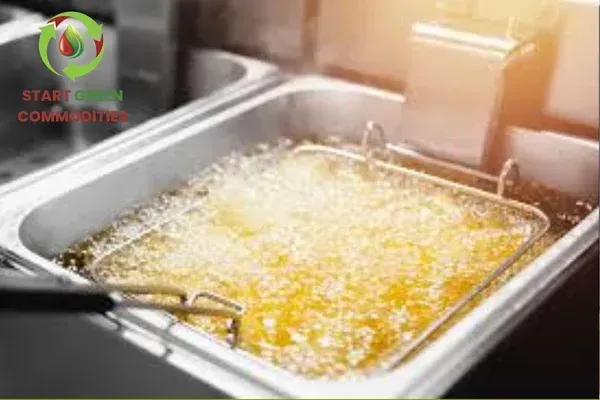
Grease bins are storage containers used by restaurants and commercial kitchens to collect waste oil and grease. These bins are essential for proper used cooking oil collection, helping businesses safely store oil until it’s picked up by a recycling service.
However, many operators treat grease bins as “set it and forget it” equipment. That’s a costly mistake.
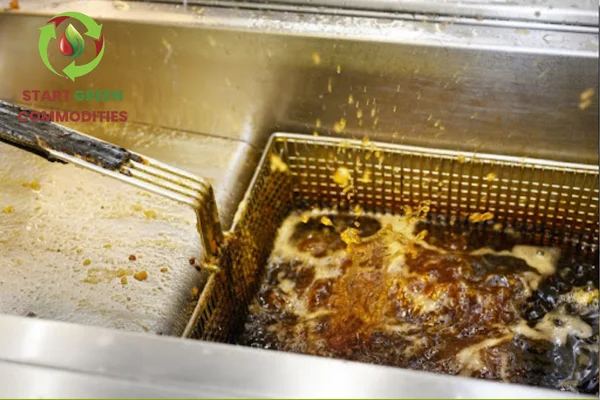
Over time, grease residue builds up inside bins, creating foul odors, attracting pests, and even causing operational hazards. Without regular cleaning, your grease bin can quickly become a liability instead of an asset.
The Hidden Costs of Dirty Grease Bins
At first glance, skipping grease bin cleaning might seem like a way to save time and money. But in reality, it leads to multiple hidden expenses that can hurt your bottom line.
1. Increased Maintenance Costs
When grease accumulates, it hardens and clogs systems. This can lead to:
Blocked drainage systems
Overflow issues
Damage to equipment
Eventually, you’ll need costly repairs that could have been avoided with routine cleaning.
2. Loss of Usable Oil
Dirty bins contaminate oil, making it less valuable for recycling. If your oil quality drops, recycling companies may:
Pay less for your oil
Reject contaminated batches
This directly impacts your revenue from oil recycling near me services.
3. Operational Downtime
Overflowing or malfunctioning grease bins can disrupt kitchen operations. Staff may need to stop work to handle messes or emergencies, reducing productivity.
Health, Safety, and Compliance Risks
Ignoring grease bin cleaning doesn’t just affect your finances it can also put your business at risk legally and reputationally.
1. Health Hazards
Old grease becomes a breeding ground for bacteria. This can:
Create unpleasant odors
Increase contamination risks
Impact food safety standards
2. Pest Infestations
Dirty grease bins attract rodents and insects. Once pests enter your kitchen, they can:
Damage your reputation
Lead to health inspection failures
3. Fire Risks
Grease is highly flammable. Accumulated grease in bins increases the risk of fire hazards, especially in busy kitchens.
4. Regulatory Compliance
Local authorities require proper grease disposal and maintenance. Failure to comply can result in:
Fines
Temporary shutdowns
Legal issues
How Regular Cleaning Improves Efficiency
A clean grease bin isn’t just about hygiene it’s about performance.
1. Smooth Waste Management
Regular cleaning ensures:
Faster oil disposal
No overflow issues
Consistent operations
2. Better Workflow
When bins are clean and functioning properly:
Staff spend less time managing waste
Kitchen processes become more streamlined
3. Improved Equipment Lifespan
Proper grease management reduces strain on:
Plumbing systems
Grease traps
Storage containers
This extends the life of your equipment and reduces replacement costs.
The Financial Benefits of Grease Bin Maintenance
Numbers, now--because now it is interesting.
1. Higher Recycling Value
Clean oil fetches better prices. When your grease bin is well-maintained:
Oil remains uncontaminated
Recycling partners offer better rates
2. Reduced Repair Costs
Routine cleaning prevents:
Plumbing issues
Equipment breakdowns
Emergency maintenance expenses
3. Lower Labor Costs
Efficient systems mean:
Less time spent on cleanup
More time focused on core operations
4. Increased Customer Satisfaction
Clean kitchens lead to:
Better food quality
Positive reviews
Repeat customers
All of this contributes to long-term revenue growth.
Environmental Impact and Sustainability
Sustainability isn’t just a trend it’s a necessity. Proper grease bin cleaning plays a major role in reducing your environmental footprint.
1. Prevents Pollution
Unmanaged grease can:
Enter water systems
Cause blockages
Harm ecosystems
2. Supports Recycling
Clean oil is easier to recycle into:
Biodiesel
Industrial products
For a deeper understanding of how waste reduction contributes to sustainability, check out this helpful guide on carbon footprint reduction:
3. Builds a Green Brand Image
Customers today prefer eco-conscious businesses. By maintaining clean grease systems, you:
Show environmental responsibility
Strengthen your brand reputation
Integrating Used Cooking Oil Collection Services
Regular grease bin cleaning works best when paired with professional used cooking oil collection services.
These services:
Provide scheduled pickups
Ensure proper disposal
Offer compensation for recyclable oil
When combined with proper cleaning:
Oil quality improves
Storage becomes more efficient
Recycling becomes more profitable
How Grease Trap Cleaning Complements Bin Maintenance
Your grease bin is just one part of the system. To maximize efficiency, you also need consistent grease trap cleaning.
Why Both Are Important
Grease bins store waste oil
Grease traps prevent oil from entering plumbing
If one is neglected, the entire system suffers.
Benefits of Combined Maintenance
Prevents blockages
Reduces odors
Improves compliance
Enhances overall efficiency
Choosing the Right Oil Recycling Partner
Not all recycling services are created equal. In trying to find oil recycling near me, find a partner that will provide:
1. Reliable Pickup Schedules
Consistency is key. Missed pickups can lead to overflow and contamination.
2. Transparent Pricing
Make sure you understand:
How oil is valued
Payment terms
3. Cleaning Support
Some providers offer grease bin cleaning as part of their service package.
4. Compliance Assistance
A good partner helps you stay compliant with local regulations.
Best Practices for Grease Bin Maintenance
To get the most out of your grease management system, follow these proven strategies:
1. Schedule Regular Cleaning
Don’t wait until there’s a problem. Create a cleaning routine based on:
Kitchen volume
Oil usage
2. Train Your Staff
Ensure employees know:
Proper disposal methods
How to avoid contamination
3. Monitor Oil Quality
Keep an eye on:
Color
Smell
Consistency
4. Use Professional Services
Partnering with experts ensures:
Thorough cleaning
Compliance with regulations
5. Keep Records
Maintain logs of:
Cleaning schedules
Oil pickups
Maintenance activities
Final Thoughts: Turn Waste into Opportunity
Grease bins might not be the most glamorous part of your kitchen but they play a crucial role in your business success.
By prioritizing regular cleaning and integrating services like used cooking oil collection, oil recycling near me, and grease trap cleaning, you can:
Reduce costs
Improve efficiency
Stay compliant
Boost sustainability
Increase revenue
In today’s competitive restaurant industry, every small optimization counts. And something as simple as keeping your grease bins clean can make a significant difference to your bottom line.