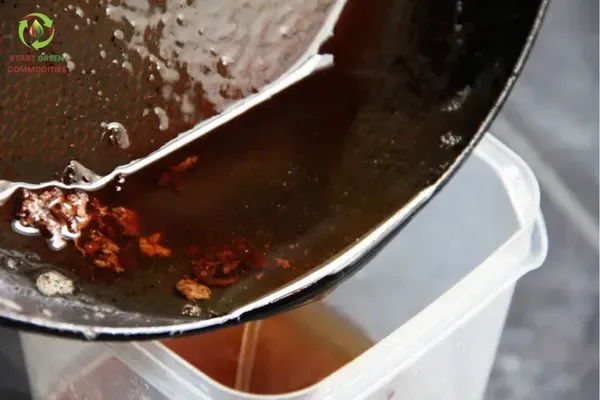
How One Restaurant Saved Money with Regular Grease Trap Cleaning
Turning Waste Into Wins
Every restaurant owner knows that success isn’t just about delicious dishes or exceptional service it’s about managing the unseen details that keep operations smooth and costs low. One of those overlooked details? Grease trap maintenance.
In this real-life restaurant success story, we’ll explore how one local dining hotspot turned regular grease trap cleaning from a chore into a strategic opportunity for waste reduction, cost savings, and sustainability leadership.
Their journey reveals a valuable lesson for any food service business: small changes in maintenance habits can lead to massive financial and environmental rewards.
The Challenge: Hidden Costs Lurking Beneath the Sink
For years, “The Green Plate,” a busy mid-sized restaurant, was known for its eco-friendly menu and warm community presence. But behind the scenes, they were struggling with a recurring issue frequent drain blockages and foul odors.
The culprit? A neglected grease trap.
Grease traps are crucial for catching fats, oils, and grease (FOG) before they enter the sewage system. But like any system, they need consistent cleaning. When ignored, they become clogged, leading to:
Costly plumbing emergencies
Downtime in kitchen operations
Health code violations
Environmental waste and fines
The Green Plate’s team had been reactive rather than proactive only calling maintenance when problems arose. By the end of one year, these “minor issues” had quietly added up to thousands in unnecessary expenses and downtime.
This became their wake-up call. They needed a smarter approach one centered on preventative maintenance and sustainable waste reduction.
The Turning Point: A Proactive Strategy
Instead of continuing the cycle of neglect and repair, The Green Plate decided to invest in a regular grease trap cleaning schedule. But this wasn’t just about plumbing it was about rethinking waste management altogether.
They set three primary goals:
Eliminate preventable plumbing emergencies
Reduce kitchen waste and environmental impact
Turn waste oil into a valuable resource through cooking oil recycling
To bring this plan to life, the management partnered with a local environmental consultant and an oil recycling company to create a sustainable, data-driven cleaning program.
Step 1: Auditing the Problem
The first step was a full waste audit.
The consultant examined:
How much cooking oil the restaurant used per week
How often the grease trap was cleaned
The average buildup rate of FOG
Disposal methods for used cooking oil and grease
The results were eye-opening.
The grease trap, designed to be serviced every month, had gone as long as six months between cleanings. As a result, nearly 40% of the trap’s capacity was consistently filled with hardened fat deposits.
Even worse, the restaurant’s used oil was being discarded rather than recycled missing a huge opportunity for both revenue and environmental benefit.
Step 2: Introducing Scheduled Cleaning and Waste Reduction Practices
With this insight, The Green Plate implemented a structured plan:
Grease Trap Cleaning Every 4 Weeks: Instead of waiting for problems, they scheduled consistent cleanings to prevent buildup.
Staff Training: Kitchen staff learned to scrape and pre-wipe dishes before washing to reduce oil entering drains.
Cooking Oil Recycling: Partnering with a certified cooking oil recycling company turned waste oil into a renewable resource, like biodiesel.
Grease Volume Tracking: Each cleaning recorded grease volumes to optimize future scheduling.
Waste Logs: Every drop of oil and grease was tracked to ensure accountability and efficiency.
This was more than maintenance it was a cultural shift toward sustainability and efficiency.
Step 3: Integrating Sustainability Into Brand Identity
As The Green Plate refined its processes, something remarkable happened: customers began to notice.
By promoting their eco-conscious kitchen practices including regular trap maintenance and oil recycling the restaurant strengthened its brand image as a leader in green dining.
This wasn’t just operational housekeeping. It was a story worth sharing.
The team even published their sustainability results, highlighting measurable improvements like reduced waste and improved air quality in the kitchen. They also connected their journey to broader sustainability practices, such as carbon footprint reduction, encouraging other restaurants to think beyond food waste and consider total operational impact.
Results: The ROI of Responsibility
After one full year of consistent grease trap cleaning and cooking oil recycling, The Green Plate achieved outstanding results across multiple areas.
1. Dramatic Cost Savings
The restaurant’s plumbing-related costs dropped significantly. Emergency call-outs for blocked drains, which had occurred every few months, became almost nonexistent. The average annual maintenance cost was slashed by over 70%.
Additionally, recycling used oil generated small but meaningful revenue offsetting the cost of the cleaning service.
2. Waste Reduction Achieved
The most impressive result came in the form of waste reduction.
By improving oil management and trap maintenance, the restaurant cut the volume of grease waste entering wastewater systems by nearly 60%. That’s a huge win for both the environment and local infrastructure.
This not only reduced their contribution to local water pollution but also aligned with regulatory compliance and community sustainability goals.
3. Improved Efficiency and Staff Morale
Staff efficiency improved noticeably. With drains flowing freely and no foul odors, the kitchen became a more pleasant workspace.
Chefs reported fewer disruptions during service, meaning faster ticket times and better customer experiences. Staff took pride in being part of an operation that genuinely cared about sustainability a motivator that’s hard to quantify but easy to feel.
4. A Boost in Brand Reputation
The Green Plate didn’t hide their efforts. Instead, they shared their sustainability story on social media and local news outlets, framing it as an inspiring restaurant success story.
Customers loved it. People increasingly choose restaurants that share their values. By showcasing their dedication to waste reduction and sustainability, The Green Plate attracted a more loyal and environmentally conscious customer base.
Step 4: Long-Term Impact
The second year proved that this wasn’t a one-time win. Regular grease trap cleaning became part of the restaurant’s operational DNA.
Long-Term Benefits Included:
Stable Operating Costs: Predictable maintenance meant no more surprise expenses.
Cleaner, Safer Environment: Better air quality and sanitation around the kitchen area.
Consistent Waste Monitoring: Continued tracking of oil and grease data helped maintain performance.
Eco-Certification Eligibility: The restaurant earned a local sustainability certification, giving it a marketing advantage.
Community Influence: Other local eateries followed suit after seeing the results.
The Green Plate had become a model for sustainable restaurant management a true “do good, do well” success story.
The Connection Between Waste Reduction and Profitability
At first glance, waste reduction sounds like a purely environmental effort. But as this case study shows, it’s a powerful business tool.
When waste is reduced, costs drop. Efficiency rises. Systems flow. Equipment lasts longer.
In restaurants, grease traps symbolize the hidden balance between environmental responsibility and operational excellence. Maintaining them regularly creates compounding savings while reinforcing a brand’s reputation as forward-thinking.
By coupling cooking oil recycling with preventative cleaning, The Green Plate transformed waste into wealth literally.
Lessons for Restaurant Owners
1. Prevention Is Always Cheaper Than Repair
Waiting for grease backups or clogged drains costs far more than scheduling consistent cleanings. Regular maintenance prevents emergencies and extends equipment lifespan.
2. Track Everything
When you start documenting your grease trap cleanings, oil volumes, and maintenance cycles, you gain insights that drive smarter decisions. Data turns routine work into strategy.
3. Don’t Ignore Cooking Oil Recycling
Throwing away used oil is like throwing away cash. Partnering with a recycling company can turn that waste into new value streams often contributing to biofuel production.
4. Use Sustainability as a Marketing Asset
Today’s diners care about where their food comes from and how businesses operate. Publicizing your sustainability efforts isn’t just ethical it’s strategic branding.
By highlighting your eco-friendly practices, you position your restaurant as a leader in responsible dining.
5. Make It a Team Effort
From chefs to dishwashers, every staff member impacts waste flow. When the whole team understands how grease and oil affect plumbing and the planet, maintaining discipline becomes second nature.
6. Learn from Others
Stories like The Green Plate’s show that waste reduction doesn’t demand expensive technology it demands consistency, data, and the right mindset.
The Environmental Ripple Effect
The restaurant’s journey didn’t just benefit its bottom line. It made a meaningful environmental impact.
By recycling hundreds of gallons of used cooking oil, The Green Plate contributed to the production of clean biodiesel, reducing reliance on fossil fuels. Each gallon of recycled oil represents a tangible step toward a greener energy future.
Similarly, by keeping fats and grease out of the sewer system, the restaurant helped protect municipal water systems from blockages and pollution.
This local action supported broader sustainability goals aligning perfectly with efforts around carbon footprint reduction, energy efficiency, and community health.
Their story exemplifies the idea that sustainability starts in small, local kitchens but impacts the planet globally.
Why Regular Maintenance Is the Future of Restaurant Sustainability
Grease trap cleaning might not sound glamorous but it represents a deeper truth about responsible restaurant management.
The businesses that win in the future are those that integrate sustainability directly into their operations. Not as a marketing gimmick, but as a strategic necessity.
Waste management, resource recycling, and operational foresight are no longer optional they’re competitive advantages.
The Green Plate’s story highlights that effective waste reduction is not just about reducing physical waste it’s about eliminating financial inefficiencies, preventing downtime, and building long-term brand equity.
A Blueprint for Your Restaurant
You don’t have to be an eco-focused restaurant to start. Begin with these actionable steps:
Schedule Routine Grease Trap Cleanings: Every 4-6 weeks, depending on usage.
Find a Trusted Recycling Partner: Research local cooking oil recycling companies that pay or credit for collected oil.
Train Your Team: Make every staff member aware of how grease and oil disposal impacts costs and the environment.
Track Results: Record costs, maintenance logs, and grease output to measure ROI.
Promote Your Impact: Share your results with customers transparency builds trust.
Even small changes compound into measurable impact over time.
Conclusion: A Grease Trap Success Story Worth Sharing
The Green Plate’s transformation from reactive maintenance to proactive sustainability proves that innovation doesn’t always come from new technology it can come from better habits.
By prioritizing waste reduction, integrating cooking oil recycling, and committing to responsible operations, they turned an operational headache into a defining restaurant success story.
Their journey demonstrates a timeless truth: when you take care of your systems, your systems take care of you.
And as restaurants across the world look for ways to balance profitability with sustainability, The Green Plate offers a shining example of what’s possible when environmental responsibility meets business sense.
Want to explore how sustainability and smarter operations can reduce your restaurant’s carbon footprint even further?
Dive into this guide on carbon footprint reduction to continue your journey toward greener, more profitable operations.