How Restaurants Can Reduce Waste Through Oil Recycling
Introduction
The restaurant industry produces a significant amount of waste every day. From food scraps and packaging materials to grease and used fryer oil, commercial kitchens generate waste streams that can quickly become expensive and environmentally damaging if not managed properly.
As sustainability becomes a major focus for both businesses and consumers, restaurant owners are searching for practical ways to reduce waste while improving efficiency. One of the most effective yet often overlooked solutions is used cooking oil recycling.
Many restaurants still view used oil as a disposal problem. However, modern recycling programs have transformed waste oil into a valuable resource that supports renewable energy production, environmental conservation, and operational efficiency. Smart restaurants are taking used oil out of the rubbish pile and incorporating oil recycling as part of their overall sustainability programs.
By adopting sustainable kitchen practices, restaurants can significantly improve restaurant waste reduction, lower operating costs, and strengthen their reputation among environmentally conscious customers.
In this guide, we'll explore how used cooking oil recycling helps restaurants reduce waste, improve kitchen operations, and contribute to a cleaner future.
Understanding Restaurant Waste Challenges
Every commercial kitchen produces multiple forms of waste throughout daily operations.
Common sources include:
Food waste
Packaging materials
Plastic containers
Cardboard
Organic waste
Grease trap waste
Used cooking oil
While many businesses focus on recycling cardboard and reducing food waste, used cooking oil often receives less attention despite being generated in large quantities.
Restaurants that use fryers can produce dozens or even hundreds of gallons of waste oil every month. Without proper management, this oil can create operational, environmental, and financial problems. Improper disposal may lead to clogged plumbing systems, sewer blockages, unpleasant odors, and potential regulatory issues. Proper collection and recycling programs help restaurants avoid these risks while turning waste into a useful resource.
Why Used Cooking Oil Recycling Matters
At its core, used cooking oil recycling is the process of collecting oil that can no longer be used for food preparation and converting it into valuable secondary products.
Rather than ending up in landfills or sewer systems, recycled cooking oil can be transformed into:
Biodiesel fuel
Renewable diesel
Industrial lubricants
Agricultural products
Bio-based materials
Energy resources
This process supports the circular economy by ensuring that valuable resources remain in use instead of becoming waste. Industry experts increasingly recognize used cooking oil as a valuable commodity rather than a disposal burden.
The Connection Between Oil Recycling and Restaurant Waste Reduction
Waste reduction is not simply about throwing away less material. It's about maximizing resource utilization.
When restaurants implement professional oil recycling programs, they immediately eliminate one of the largest waste streams generated by commercial kitchens.
Instead of viewing used oil as waste, businesses can transform it into a recyclable asset.
This shift creates several advantages:
Less material entering landfills
Reduced environmental contamination
Better waste tracking
Improved kitchen organization
More sustainable operations
Many restaurants pursuing zero-waste goals identify oil recycling as one of the easiest and most impactful sustainability initiatives available.
How Used Cooking Oil Recycling Supports Sustainable Kitchen Practices
Building a sustainable kitchen requires more than simply recycling paper and plastic.
True sustainability involves evaluating every operational process and identifying opportunities to reduce waste.
Oil recycling contributes to sustainable kitchen practices in several important ways.
1. Prevents Environmental Pollution
When used oil is improperly disposed of, it can contaminate soil, waterways, and drainage systems.
Even small amounts of oil can create significant environmental damage.
Professional recycling programs ensure oil is collected, transported, and processed responsibly.
By preventing pollution, restaurants become active participants in environmental protection efforts while demonstrating responsible business practices.
2. Supports Renewable Energy Production
One of the most exciting aspects of used cooking oil recycling is its role in renewable fuel production.
Recycled oil is commonly converted into biodiesel and renewable diesel, reducing dependence on fossil fuels.
A widely cited example is the work of Cassandra Lin, whose initiative helped collect restaurant grease and convert it into BioHeat fuel for homes, demonstrating how waste oil can become a valuable energy source.
When restaurants recycle oil, they contribute directly to cleaner energy systems.
3. Improves Resource Efficiency
Sustainability is about maximizing resources.
Every gallon of cooking oil represents energy, materials, and resources invested in production and transportation.
Recycling extends the useful life of those resources by creating new products from materials that would otherwise be discarded.
This approach aligns perfectly with modern sustainability goals and circular economy principles.
Financial Benefits of Oil Recycling
Environmental responsibility is important, but restaurant owners also need solutions that make financial sense.
Fortunately, oil recycling delivers both environmental and economic benefits.
Lower Maintenance Costs
Improper oil disposal can lead to:
Clogged drains
Plumbing repairs
Grease buildup
Sewer line problems
These issues can become expensive quickly.
Recycling programs run by professionals help keep oil out of plumbing systems, thus saving on maintenance and emergency costs.
Reduced Waste Management Expenses
The traditional waste disposal service is frequently based on the amount of refuse.
By diverting used oil into recycling programs, restaurants can reduce overall waste disposal requirements.
This contributes directly to long-term cost savings.
Improved Operational Efficiency
Staff members spend less time handling waste management issues when structured oil collection systems are in place.
Organized storage containers and scheduled pickups streamline operations and improve workflow.
Many restaurant operators report that professional oil collection services simplify kitchen management while reducing labor inefficiencies.
Building a Waste Reduction Strategy Around Oil Recycling
Restaurants that achieve meaningful waste reduction rarely rely on a single initiative.
Instead, they develop comprehensive sustainability programs.
Oil recycling should be part of a larger strategy that includes:
Food Waste Management
Monitor inventory carefully to minimize spoilage.
Implement portion control and donation programs where possible.
Recycling Programs
Recycle cardboard, paper, plastics, and metals whenever local facilities allow.
Grease Management
Maintain grease traps regularly and ensure all oil is collected separately for recycling.
Employee Training
Train kitchen staff on proper oil handling procedures.
Employees play a critical role in maintaining sustainable kitchen practices.
Supplier Partnerships
Work with vendors that support sustainability initiatives and environmentally responsible packaging.
Best Practices for Used Cooking Oil Recycling
To maximize waste reduction benefits, restaurants should follow several key best practices.
Store Oil Properly
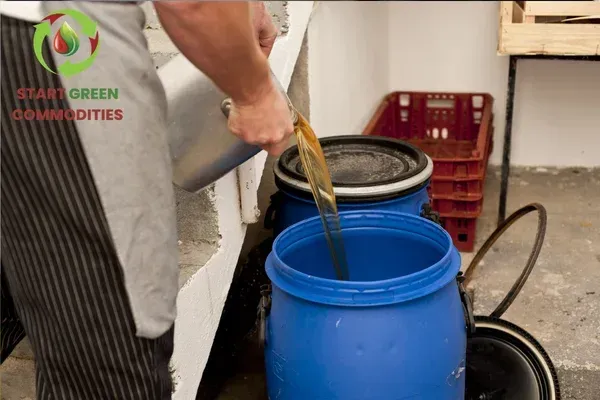
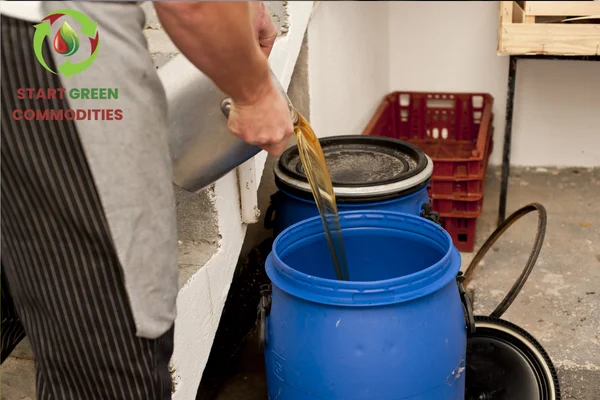
Used oil should be placed in designated storage containers specifically designed for collection.
Avoid mixing oil with food waste or other contaminants.
Schedule Regular Pickups
Allowing oil to accumulate can create safety hazards and operational challenges.
Consistent collection schedules keep kitchens clean and organized.
Monitor Oil Quality
Proper fryer maintenance extends oil life while ensuring food quality remains high.
Regular filtration helps maximize efficiency.
Work With Experienced Recycling Providers
Professional recyclers provide reliable collection services and ensure oil is processed responsibly.
Businesses should look for partners with proven experience in commercial kitchen waste management.
For example, resources from <a href=/>NW Grease</a> provide valuable information about waste oil management and recycling solutions for commercial kitchens.
Consumer Demand Is Driving Sustainable Restaurant Practices
Modern diners care about sustainability more than ever.
Customers increasingly support businesses that demonstrate environmental responsibility.
Restaurants that invest in:
Used cooking oil recycling
Waste reduction programs
Renewable energy initiatives
Sustainable sourcing
often strengthen their brand image and customer loyalty.
Sustainability is no longer just an environmental issue it's a competitive business advantage.
As consumer awareness grows, restaurants that embrace sustainable kitchen practices position themselves ahead of competitors.
The Role of Oil Recycling in a Circular Economy
The traditional business model follows a simple path:
Take → Use → Dispose
The circular economy follows a different approach:
Reduce → Reuse → Recycle
Used cooking oil recycling perfectly demonstrates this concept.
Oil is collected after its initial use, processed, and transformed into valuable secondary products rather than discarded.
This cycle:
Conserves resources
Reduces waste
Supports renewable energy
Minimizes environmental impact
The result is a more sustainable and efficient system for both businesses and communities.
How Start Green Commodities Helps Restaurants Reduce Waste
At Start Green Commodities, we understand that effective waste reduction requires practical solutions.
Our focus on used cooking oil recycling helps restaurants:
Reduce waste generation
Improve sustainability performance
Maintain cleaner kitchens
Support renewable energy production
Enhance operational efficiency
Businesses looking to strengthen their sustainability programs can also explore our detailed guide on restaurant recycling services:
The Future of Restaurant Waste Reduction
The future of restaurant operations is increasingly tied to sustainability.
Regulations continue to evolve, customer expectations continue to rise, and businesses are seeking more efficient ways to operate.
Used cooking oil recycling represents one of the simplest, most practical, and most impactful waste reduction strategies available today.
What was once considered kitchen waste is now recognized as a valuable resource that supports renewable energy, environmental protection, and operational efficiency.
Restaurants that embrace oil recycling today are not only reducing waste they are helping shape a more sustainable future for the entire food service industry.
Conclusion
Reducing waste in a restaurant doesn't require massive investments or complicated systems. Sometimes the most effective solutions are already sitting in the kitchen.
Used cooking oil recycling helps restaurants transform waste into value while supporting sustainable kitchen practices and meaningful restaurant waste reduction efforts. From lowering maintenance costs and improving operational efficiency to supporting renewable energy production and strengthening brand reputation, the benefits extend far beyond simple waste disposal.
As sustainability becomes increasingly important to consumers, regulators, and business owners alike, oil recycling stands out as a smart, practical, and profitable strategy.
Restaurants that view used cooking oil as a resource instead of a waste product are taking an important step toward cleaner operations, stronger sustainability performance, and long-term success.
Frequently Asked Questions
1. What is used cooking oil recycling?
Used cooking oil recycling is the process of collecting waste fryer oil and converting it into useful products such as biodiesel, renewable diesel, and industrial materials.
2. How does oil recycling help restaurant waste reduction?
It diverts large volumes of waste oil from landfills and sewer systems while transforming it into valuable reusable resources.
3. Can oil recycling save restaurants money?
Yes. Recycling helps reduce plumbing repairs, maintenance costs, waste disposal expenses, and operational inefficiencies.
4. Is recycled cooking oil used for renewable energy?
Yes. A significant portion of recycled cooking oil is processed into biodiesel and renewable diesel fuels.
5. Why are sustainable kitchen practices important?
Sustainable kitchen practices help restaurants reduce waste, lower environmental impact, improve efficiency, and meet growing consumer expectations for responsible business operations.