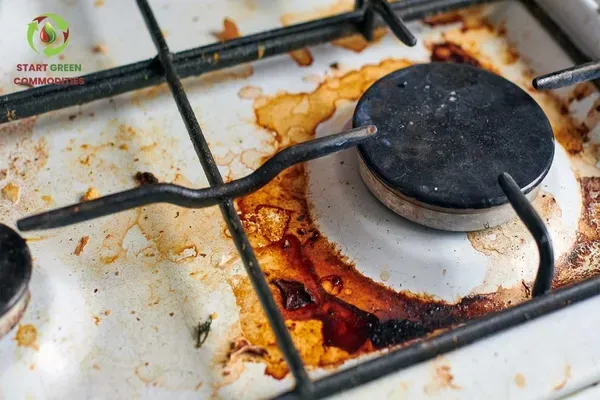
How to Handle Grease & Oil Spills in the Kitchen
How to Handle Grease & Oil Spills in the Kitchen (Complete Restaurant Guide)
Grease and oil spills are one of the most common yet most underestimated problems in commercial kitchens. Whether you run a small café or a large restaurant, spills happen during frying, transferring oil, cleaning fryers, or handling used containers.
What makes them dangerous is not just the mess—but the safety risks, hygiene issues, equipment damage, and long-term operational costs they create if not handled correctly.
In this guide, you’ll learn a complete, practical system for managing grease and oil spills safely, improving kitchen efficiency, and aligning with modern restaurant sustainability practices through smarter waste handling and used cooking oil recycling systems.
Table of Contents
Why Grease & Oil Spills Are a Serious Kitchen Risk
Common Causes of Oil Spills in Restaurants
Immediate Steps to Handle a Fresh Spill
Safe Cleaning Methods for Grease & Oil
Tools Every Kitchen Should Have for Spill Control
How Staff Training Prevents Accidents
Long-Term Prevention Strategies
Connection Between Spills and Waste Oil Management
Role of Used Cooking Oil Recycling in Spill Reduction
How Oil Recycling Services Support Kitchen Safety
Environmental and Business Impact
Internal and External Resources
Final Thoughts
Why Grease & Oil Spills Are a Serious Kitchen Risk
Oil spills are not just messy—they are dangerous on multiple levels.
In a busy kitchen environment, a small oil spill can quickly turn into:
Slipping hazards for staff
Fire risks near heat sources
Cross-contamination of food areas
Equipment damage and downtime
Unpleasant odors and hygiene issues
For restaurants, these risks can directly affect customer safety, employee performance, and even legal compliance.
That’s why proper spill management is a core part of professional kitchen operations and modern restaurant sustainability practices.
Common Causes of Oil Spills in Restaurants
Understanding the root causes helps prevent future incidents.
1. Overfilled Fryers
When fryers are filled beyond capacity, oil easily splashes or spills during cooking.
2. Improper Oil Transfer
Moving hot oil without proper containers or funnels often leads to spills.
3. Slippery Work Surfaces
Greasy countertops or floors increase accident chances.
4. Poor Storage Practices
Leaking containers or open oil buckets create constant spill risks.
5. Staff Rush During Peak Hours
Hurry and lack of attention are major contributors in busy kitchens.
6. Improper Disposal of Used Oil
This is where used cooking oil recycling becomes important—because improper handling often leads to spills.
Immediate Steps to Handle a Fresh Spill
When oil spills occur, quick action is essential.
Step 1: Ensure Safety First
Stop all nearby cooking activities. Warn staff to avoid the area immediately.
Step 2: Prevent Spread
Use barriers like cloth mats or absorbent pads to stop oil from spreading further.
Step 3: Turn Off Heat Sources
If the spill is near stoves or fryers, turn them off to prevent fire hazards.
Step 4: Wear Proper Safety Gear
Use gloves and non-slip shoes before handling cleanup.
Step 5: Contain the Spill
Use absorbent materials like:
Baking soda
Sawdust
Commercial absorbent pads
Paper towels (for small spills)
Never use water directly—it spreads oil and increases slipping danger.
Safe Cleaning Methods for Grease & Oil
Once the spill is contained, proper cleaning ensures the area is fully safe.
Method 1: Dry Absorption First
Always remove excess oil before applying cleaning agents.
Method 2: Degreasing Solution
Use a food-safe degreaser to break down oil residues on surfaces.
Method 3: Hot Water & Detergent Wash
For floors and equipment areas, hot soapy water helps remove remaining grease.
Method 4: Deep Sanitization
After cleaning, sanitize the area to prevent bacterial growth.
Method 5: Dry the Area Completely
Moist surfaces increase slipping risks, so always ensure proper drying.
Tools Every Kitchen Should Have for Spill Control
A professional kitchen should always be prepared for emergencies.
Essential spill control tools include:
Absorbent pads and mats
Industrial degreasers
Spill containment kits
Non-slip floor signs
Protective gloves and boots
Mop buckets with grease-cutting solution
Drain covers to prevent oil entry
Having these tools ready reduces response time and prevents accidents from escalating.
How Staff Training Prevents Accidents
Even the best equipment is useless without trained staff.
Training should include:
1. Proper Oil Handling Techniques
Staff must know how to safely transfer hot oil.
2. Spill Response Drills
Regular practice ensures quick and calm responses.
3. Safety Protocol Awareness
Employees should know when to shut down operations during spills.
4. Cleaning Procedure Training
Correct cleaning methods prevent repeated accidents.
5. Waste Oil Handling Education
Proper disposal reduces spill frequency and supports used cooking oil recycling systems.
Well-trained staff significantly reduce kitchen accidents and improve workflow efficiency.
Long-Term Prevention Strategies
Preventing spills is always better than cleaning them.
1. Use Proper Oil Containers
Leak-proof, heat-resistant containers reduce risk.
2. Install Anti-Slip Flooring
Reduces injury risk in case of minor spills.
3. Schedule Regular Maintenance
Check equipment, fryers, and storage systems regularly.
4. Avoid Overfilling Oil
Maintain recommended fryer oil levels.
5. Improve Kitchen Layout
Ensure proper spacing between cooking and storage zones.
Connection Between Spills and Waste Oil Management
Many people don’t realize that oil spills and waste oil management are closely connected.
When used oil is not handled properly:
It leaks during storage
It spills during transfer
It creates slippery kitchen floors
It increases cleaning workload
This is where structured used cooking oil recycling systems help reduce risks significantly.
By removing waste oil efficiently, restaurants reduce:
Storage overflow
Improper handling
Kitchen contamination risks
Role of Used Cooking Oil Recycling in Spill Reduction
A proper used cooking oil recycling system is one of the most effective ways to prevent spills.
Here’s how it helps:
1. Reduces On-Site Oil Storage
Less stored oil means fewer chances of leaks and spills.
2. Provides Safe Containers
Professional systems supply sealed, spill-proof containers.
3. Scheduled Pickup Services
Regular collection prevents overflow.
4. Minimizes Human Handling
Less manual transfer reduces accident risks.
5. Improves Kitchen Cleanliness
Cleaner systems naturally reduce slippery surfaces.
How Oil Recycling Services Support Kitchen Safety
Professional oil recycling services play a major role in improving kitchen safety and efficiency.
They provide:
Safe oil storage systems
Regular waste collection schedules
Leak-proof transportation
Compliance documentation
Environmental reporting
This structured system helps restaurants maintain cleanliness while focusing on food preparation instead of waste handling.
Learn more about structured sustainability and collection systems at
👉 Start Green Commodities oil recycling services (https://startgreencommodities.com/)
Environmental and Business Impact
Handling grease and oil spills properly is not just about safety—it also impacts your business and environment.
Environmental Benefits
Reduced water contamination
Less drain blockage in city systems
Support for biodiesel production
Lower carbon emissions
Business Benefits
Lower maintenance costs
Improved kitchen efficiency
Better staff safety
Stronger brand reputation
Sustainability Benefits
Proper handling aligns with modern restaurant sustainability practices, helping businesses stay competitive in an eco-conscious market.
Internal Resource for More Guidance
For deeper insights into oil handling systems and recycling solutions, you can explore:
This resource provides additional knowledge on waste management systems and commercial kitchen efficiency strategies.
Final Thoughts
Grease and oil spills are unavoidable in restaurant kitchens but poor handling is completely avoidable.
With the right systems, training, and tools, restaurants can significantly reduce risks, improve hygiene, and maintain safer working environments.
Most importantly, integrating used cooking oil recycling and professional oil recycling services transforms waste management into a structured, efficient, and environmentally responsible process.
When combined with strong restaurant sustainability practices, spill management becomes part of a larger system that improves both safety and profitability.
A clean kitchen is not just about appearance—it’s about safety, efficiency, and long-term business success.