How to Prevent Grease Odors Around Your Restaurant
Introduction:
A restaurant's success depends on more than great food and excellent customer service. Cleanliness, atmosphere, and overall guest experience play a major role in attracting customers and encouraging repeat visits. One of the most common yet overlooked problems that can negatively impact a restaurant's reputation is persistent grease odors.
Few things drive customers away faster than unpleasant smells. Whether the odor comes from grease traps, used cooking oil storage containers, floor drains, kitchen exhaust systems, or waste disposal areas, bad smells can quickly create a negative impression. In many cases, grease odors signal deeper operational issues that can affect sanitation, safety, and compliance.
Fortunately, preventing grease odors is not complicated when restaurant owners implement proper maintenance routines, invest in professional used cooking oil recycling services, and establish effective waste management procedures.
This comprehensive guide explains why grease odors occur, how they impact restaurant operations, and the most effective strategies for keeping your restaurant smelling clean and welcoming year-round.
Why Grease Odors Develop in Restaurants
Every commercial kitchen generates grease. Fryers, grills, ovens, stovetops, and food preparation stations all produce fats, oils, and grease as part of daily operations.
When grease is not properly managed, it begins to break down and decompose. This decomposition process creates strong odors that can spread throughout the kitchen, dining area, storage spaces, and even outdoor seating areas.
Several factors contribute to grease-related smells:
Accumulated food residue
Dirty grease traps
Overflowing oil containers
Poor ventilation
Drain blockages
Infrequent cleaning schedules
Improper oil disposal methods
Understanding the source of odors is the first step toward eliminating them.
The Hidden Cost of Grease Odors
Many restaurant owners underestimate how damaging bad odors can be to their business.
Customers often associate unpleasant smells with poor hygiene, even when food quality remains high. Negative first impressions can influence online reviews, customer retention, and overall brand reputation.
Grease odors may also indicate underlying maintenance issues that lead to:
Plumbing problems
Pest infestations
Health code violations
Employee discomfort
Increased cleaning expenses
Addressing odors early helps restaurants avoid larger operational challenges later.
How Used Cooking Oil Contributes to Odors
Used cooking oil is one of the most common sources of restaurant odors.
After repeated use, cooking oil begins to degrade. Food particles, moisture, and contaminants accumulate within the oil, causing it to develop strong smells.
When stored improperly, used oil can quickly become a significant odor source.
Common problems include:
Open storage containers
Delayed oil collection
Oil spills
Contaminated storage tanks
Poorly maintained collection areas
This is why professional used cooking oil recycling services are essential for modern restaurant operations.
Regular oil collection prevents old oil from sitting too long and generating unpleasant smells.
The Importance of Proper Used Cooking Oil Recycling
Many restaurant owners view oil recycling primarily as an environmental initiative. However, it is also one of the most effective odor prevention strategies.
Professional used cooking oil recycling programs help restaurants:
Remove waste oil regularly
Prevent storage overflow
Reduce contamination risks
Maintain cleaner waste areas
Improve kitchen sanitation
By keeping used oil moving through a structured recycling process, restaurants significantly reduce odor-related issues.
Businesses looking to strengthen their oil management programs can learn more through this comprehensive resource on used cooking oil recycling available on Start Green Commodities.
Grease Traps: The Most Common Source of Restaurant Odors
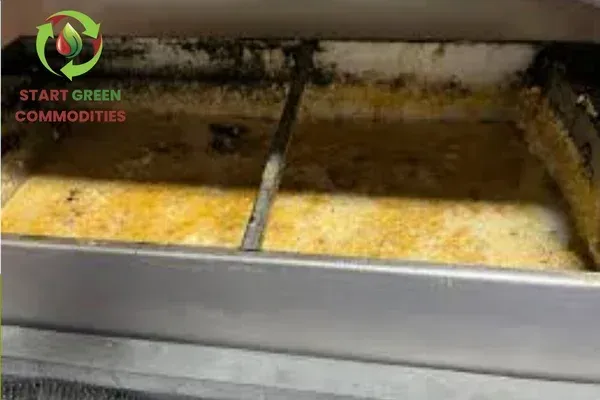
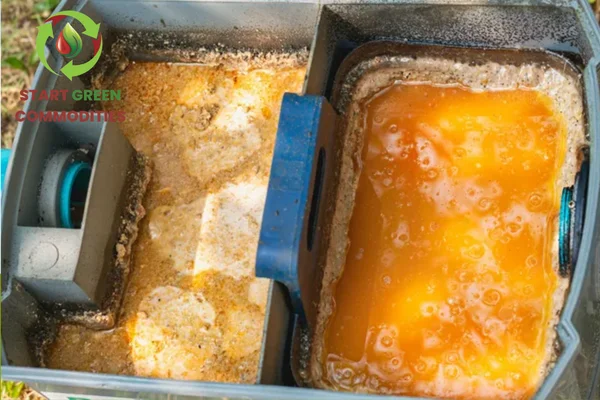
One of the biggest causes of persistent kitchen odors is a neglected grease trap.
Grease traps are designed to capture fats, oils, and grease before they enter municipal sewer systems. Over time, however, grease accumulates inside the trap and begins decomposing.
Without routine maintenance, the trapped grease produces strong sulfur-like odors that spread throughout the facility.
Warning Signs Your Grease Trap Needs Cleaning
Restaurant owners should monitor for these common indicators:
Strong Sewer Smells
Persistent foul odors near sinks or floor drains often signal grease buildup.
Slow Drainage
Water draining slowly may indicate excessive grease accumulation.
Overflowing Grease
Visible grease around trap lids or access points requires immediate attention.
Increased Pest Activity
Grease buildup attracts insects and rodents.
Frequent Plumbing Issues
Recurring clogs often originate from poorly maintained grease traps.
Ignoring these warning signs allows odors to worsen and increases the likelihood of costly repairs.
Why "Grease Trap Cleaning Near Me" Is a Popular Search
Restaurant operators frequently search for "Grease Trap Cleaning near me" when odor problems become severe.
Professional grease trap cleaning removes accumulated grease before it begins causing significant sanitation and plumbing issues.
Routine cleaning offers numerous benefits:
Eliminates foul odors
Improves drain performance
Supports health code compliance
Reduces emergency plumbing repairs
Creates a cleaner work environment
Regular maintenance should be considered a preventive investment rather than a reactive expense.
Establish a Grease Management Schedule
One of the best ways to prevent odors is to create a consistent grease management routine.
A structured schedule should include:
Daily Tasks
Clean fryer areas
Wipe grease-producing equipment
Empty grease containers if needed
Clean floor mats
Weekly Tasks
Inspect storage areas
Clean floor drains
Check for oil leaks
Sanitize waste collection zones
Monthly Tasks
Review grease trap conditions
Schedule oil pickups
Inspect ventilation systems
Deep clean kitchen equipment
Consistency prevents odor buildup before it becomes noticeable.
Keep Used Oil Storage Areas Clean
Even with professional collection services, storage areas require routine attention.
Restaurants should:
Use sealed containers
Clean surrounding surfaces regularly
Remove spills immediately
Keep collection zones dry
Inspect containers for leaks
Small maintenance efforts can dramatically reduce odors.
Improve Kitchen Ventilation
Ventilation systems play a critical role in controlling grease odors.
Commercial kitchen exhaust systems remove smoke, steam, grease particles, and airborne contaminants generated during cooking.
When ventilation systems become clogged, odors linger and spread throughout the restaurant.
Regular hood cleaning helps:
Improve airflow
Reduce airborne grease
Prevent odor accumulation
Improve kitchen comfort
Enhance fire safety
Professional inspections ensure ventilation systems remain effective year-round.
Clean Floor Drains Regularly
Floor drains are often overlooked during cleaning routines.
Grease, food particles, and moisture frequently collect inside drains, creating ideal conditions for bacterial growth.
As bacteria break down organic matter, strong odors develop.
Best practices include:
Flushing drains regularly
Using approved drain cleaners
Removing visible debris
Conducting deep cleanings routinely
Clean drains contribute significantly to odor prevention.
Prevent Food Waste Accumulation
Food waste and grease often combine to create severe odor problems.
Restaurants should:
Empty waste bins frequently
Use sealed trash containers
Remove food debris promptly
Clean dumpster areas regularly
A clean waste management system reduces both odors and pest attraction.
The Connection Between Odors and Pest Problems
Grease odors attract unwanted pests.
Rodents, flies, cockroaches, and other insects are drawn to food residue and grease accumulation.
Once pests establish themselves, sanitation issues become much harder to control.
Maintaining clean grease management systems helps:
Reduce pest activity
Improve food safety
Protect customer experiences
Maintain regulatory compliance
Odor prevention is also pest prevention.
Employee Training Matters
Even the best cleaning systems fail without proper staff participation.
Restaurant employees should understand:
Proper Oil Disposal Procedures
Staff should know exactly where used oil belongs and how it should be handled.
Spill Response Protocols
Immediate cleanup prevents odor buildup and safety hazards.
Daily Cleaning Responsibilities
Clear accountability improves consistency.
Grease Management Awareness
Employees should recognize early signs of grease-related problems.
Training creates a culture of cleanliness and accountability.
Why Professional Oil Collection Services Make a Difference
Many restaurants attempt to manage oil internally for as long as possible.
However, delaying collection often leads to:
Overflowing containers
Strong odors
Increased spills
Higher sanitation risks
Professional collection services provide:
Reliable pickup schedules
Secure storage solutions
Cleaner collection areas
Better environmental outcomes
Partnering with experienced providers simplifies grease management significantly.
Restaurants seeking dependable collection support often work with NW Grease Services to maintain cleaner operations and improve odor control.
Seasonal Factors That Increase Grease Odors
Certain times of year can worsen odor problems.
Summer Temperatures
Heat accelerates grease decomposition.
Increased Restaurant Traffic
Higher customer volume generates more oil and food waste.
Outdoor Dining Areas
Patrons become more sensitive to nearby odors when dining outside.
Restaurants should increase maintenance efforts during peak seasons to minimize odor risks.
Common Odor Prevention Mistakes
Many restaurants unintentionally create conditions that allow odors to thrive.
Delaying Grease Trap Cleaning
Waiting until problems appear usually means the situation has already worsened.
Storing Oil in Open Containers
Open containers allow odors to spread freely.
Ignoring Small Spills
Even minor spills can generate strong smells over time.
Overlooking Ventilation Maintenance
Dirty ventilation systems trap grease and odors indoors.
Inconsistent Cleaning Routines
Skipping scheduled maintenance eventually leads to noticeable odor issues.
Avoiding these mistakes dramatically improves restaurant cleanliness.
How Odor Control Supports Customer Experience
Customers notice smells immediately.
A clean-smelling restaurant creates positive impressions that influence:
Customer satisfaction
Online reviews
Repeat business
Brand reputation
Restaurants invest heavily in menu development, interior design, and marketing. Maintaining odor-free facilities protects those investments and enhances the overall dining experience.
Restaurant Sustainability and Grease Management
Modern diners increasingly value environmentally responsible businesses.
Proper grease management supports sustainability by:
Promoting used cooking oil recycling
Reducing waste
Preventing environmental contamination
Supporting renewable fuel production
Restaurants that prioritize sustainability often enjoy stronger customer loyalty and positive community recognition.
Long-Term Benefits of Effective Grease Odor Prevention
Restaurants that proactively manage grease enjoy numerous advantages:
Cleaner Facilities
A cleaner environment improves both employee morale and customer perceptions.
Reduced Maintenance Costs
Preventive maintenance lowers repair expenses.
Better Compliance
Proper grease management supports health and environmental regulations.
Improved Brand Image
Customers appreciate businesses that prioritize cleanliness and professionalism.
Enhanced Sustainability
Recycling programs contribute to environmental responsibility.
Conclusion
Grease odors are more than a minor inconvenience. They can negatively affect customer experiences, employee comfort, sanitation standards, and overall restaurant performance.
Fortunately, most odor problems are preventable. By implementing consistent cleaning routines, investing in professional used cooking oil recycling services, maintaining grease traps, improving ventilation, and managing waste effectively, restaurant owners can create a cleaner and more welcoming environment.
Whether customers are searching for a restaurant to enjoy a family dinner or employees are spending long hours in the kitchen, a fresh and odor-free atmosphere matters. Combining routine maintenance with professional services such as oil recycling near me and Grease Trap Cleaning near me solutions ensures that grease-related odors never become a threat to your restaurant's success.
The most successful restaurants understand that cleanliness is not just about appearances it is about protecting the customer experience, supporting sustainability, and maintaining operational excellence every day.