How Used Cooking Oil Recycling Supports California’s Climate Goals
Introduction:
When you think of California’s historic fight against climate change, what comes to mind? You probably envision fields of towering wind turbines in the Altamont Pass, massive arrays of shimmering solar panels blanketed across the Mojave Desert, or an endless sea of electric vehicles silently navigating the gridlocked lanes of the Interstate 405.
But what if the most potent, unsung hero in the state's aggressive decarbonization blueprint wasn't built in a clean-tech laboratory, but rather born out of the bubbling deep fryers of your favorite neighborhood diner?
Every single day, thousands of commercial kitchens across the Golden State ranging from fast-casual taco joints in San Diego to high-end bistros in San Francisco produce an absolute mountain of used cooking oil (UCO). For decades, this grease was treated as a rancid, sticky waste management nightmare. Kitchen crews spent countless hours wrangling heavy buckets, clogging up back-alley dumpsters, and accidentally chocking municipal sewer pipes.
Fast forward to today, and that exact same gunk is being treated like liquid gold. Thanks to pioneering environmental mandates and advanced refining technologies, your old frying fat is driving a massive clean-energy revolution.
If you manage a commercial kitchen or run a food business in California, participating in used cooking oil recycling is no longer just a basic sanitary checklist item. It is a highly strategic, legally impactful, and deeply collaborative action that directly fuels California's ambitious goal of slashing carbon emissions and building a truly circular economy.
Let's pull back the curtain on the incredible journey your kitchen grease takes from a frantic Friday night dinner rush to a clean-burning fuel tank, exploring how proper waste management reshapes the environmental landscape of California.
The Green Mandate: Understanding California's Aggressive Climate Policies
California has never been a state to wait around for the rest of the world to dictate environmental standards. Instead, it serves as a global incubator for aggressive climate governance. To understand exactly why your restaurant’s waste oil is in such massive demand, we have to look directly at the sweeping regulatory architecture designed by the California Air Resources Board (CARB).
The Low Carbon Fuel Standard (LCFS) Driven Revolution
The absolute crown jewel of California’s decarbonization toolkit is the Low Carbon Fuel Standard (LCFS). First adopted over a decade ago and heavily updated with historic amendments, the LCFS is designed to drastically reduce the carbon footprint of the state’s massive transportation sector. The goal is clear: achieve a 30% reduction in the carbon intensity of the state's transportation fuel pool by 2030, eventually scaling up to a staggering 90% reduction by 2045.
The mechanism behind the LCFS is brilliantly simple yet highly competitive. Petroleum refiners and fuel importers who sell high-carbon gasoline and traditional diesel incur "deficits." To offset these deficits and avoid catastrophic regulatory penalties, they must purchase "credits" from producers of clean, alternative fuels.
Because used cooking oil yields an incredibly low carbon footprint during its lifecycle, fuel producers aggressively compete to buy up every available drop from local collection networks. Your kitchen’s waste grease is literally the primary currency keeping the state's multi-billion-dollar compliance market afloat.
The New Crop-Based Fuel Restrictions
The economic value of restaurant grease took another massive leap forward following the implementation of CARB's updated regulatory amendments. In an effort to prioritize true waste materials over food crops, California implemented a strict 20% aggregate credit cap per company on biomass-based diesel produced from virgin vegetable oils like soybean, sunflower, or canola oil.
Because virgin agricultural oils face these tight credit ceilings due to concerns over land displacement and deforestation, fuel refiners have been forced to rapidly pivot. They are desperately seeking un-capped, pure waste products to fill the void. This policy shift places authentic restaurant grease right at the pinnacle of the alternative energy supply chain.
SB 1383 and the War on Organic Waste
While the LCFS pulls grease into the clean-fuel market from the top down, Senate Bill 1383 (SB 1383) pushes it out of the waste stream from the bottom up. This landmark organic waste reduction mandate requires California to reduce organic waste disposal in landfills by 75%. Under SB 1383, businesses that generate significant amounts of organic waste including food scraps, fats, oils, and grease must divert these materials away from municipal trash cans entirely.
If your kitchen staff throws spent cooking oil into standard commercial trash bins, or lets it wash out into municipal drains, you aren't just practicing poor sanitation. You are in direct violation of a massive state mandate that carries heavy financial penalties and strict auditing procedures.
From Fryer to Fuel: The Science of Carbon Reduction
It is easy to throw around terms like "green energy" and "eco-friendly," but what does the actual scientific math look like when we trace a gallon of waste oil from a kitchen backdoor to a delivery truck? The environmental impact comes down to a metric known as Carbon Intensity (CI).
Biodiesel vs. Renewable Diesel: The Modern Transformation
Once collected, your kitchen grease undergoes one of two primary technological transformations:
FAME Biodiesel (Fatty Acid Methyl Ester): The traditional method involves reacting the cleaned fat with methanol to produce standard biodiesel. This fuel is an excellent clean alternative but is typically blended with petroleum diesel at ratios like 5% or 20% (B5 or B20) because higher concentrations can gel up in freezing temperatures or cause issues in older, un-modified diesel engines.
Renewable Diesel (Hydrotreated Vegetable Oil - HVO): This is the game-changer sweeping across California's fuel infrastructure. Through advanced hydrotreating, the waste oil is processed with hydrogen under intense heat and pressure. This completely strips away oxygen molecules, leaving behind a pure hydrocarbon chain that is chemically identical to conventional fossil diesel.
Because renewable diesel is a structural twin to petroleum diesel, it can be dropped straight into any existing heavy-duty truck, city bus, or agricultural tractor at 100% concentration (R100) without a single modification. It runs cleaner, smells significantly better, and slashes toxic particulate matter (black soot) by up to 30%, drastically cleaning up the air quality along California's major freight corridors.
The Logistics Pipeline: Why a Waste Cooking Oil Collection Service Matters
Your kitchen staff is focused on searing steaks, drop-frying appetizers, and turning tables during a hectic dinner rush. They do not have the time, equipment, or specialized training to process industrial lipids. This is why a professional, highly efficient waste cooking oil collection service serves as the indispensable link connecting the food service industry to the clean energy grid.
How Commercial Kitchens Feed the Grid
The modern grease collection process is a marvel of commercial logistics. When you partner with a certified waste management firm, they deploy specialized, puncture-proof asset containers directly to your property. Depending on your kitchen's spatial constraints and physical volume, these containers can range from small indoor rolling carts to massive, automated outdoor holding tanks.
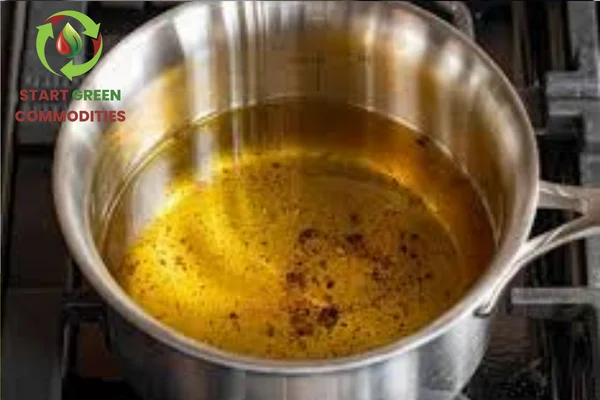
Once your fryers have run their full lifecycle and the oil begins to degrade, the spent liquid is transferred safely into the collection container. At regular, software-optimized intervals, a vacuum-sealed tanker truck arrives at your loading dock, pumps out the accumulated oil with zero mess, and hauls it away to a localized consolidation hub.
Closing the Loop: The Multi-Stage Recycling Process
The moment the truck leaves your property, the raw grease begins an intense purification journey:
Coarse Screening: The raw grease is pumped through industrial filters to screen out heavy sediment, including stray french fries, charred breading, and food debris.
Thermal Separation: The mixture is gently heated inside massive settling tanks. Because water and oil have drastically different densities, heating causes the trapped moisture and fine particulate matter to drop to the bottom, allowing the pure, clean oil lipids to be skimmed off the top.
Refinery Conversion: The hyper-purified fat is sent directly to regional biorefineries such as converted facilities right here in Bakersfield, California—where it is transformed into commercial-grade renewable fuel.
Finding the Right Partner: Sourcing Oil Recycling Near Me
Because California's LCFS credit market makes used grease immensely valuable, the recycling landscape has become incredibly crowded. For property managers and independent restaurant owners, searching for trusted, verified oil recycling near me requires careful evaluation to filter out unreliable operators.
What to Look for in a Certified California Recycler
Do not sign a waste management agreement based solely on a slick sales pitch or a flashy website. Your recycling partner must maintain absolute regulatory compliance to shield your business from legal liability.
CDFA Registration: In the state of California, anyone hauling or processing commercial grease must be formally registered with the California Department of Food and Agriculture (CDFA). A certified hauler will proudly display their valid CDFA decal directly on their collection vehicles. If an unregistered collector siphons your tanks, you can be held legally liable for illegal waste disposal.
Manifest Tracking Transparency: To satisfy local environmental health inspectors and stay fully compliant with SB 1383 audits, your recycler must provide clear, digital manifest receipts following every single pump-out. These documents must explicitly track the exact gallon volume extracted, the processing destination, and proof of legal transformation.
Advanced Equipment Security: Used grease theft is a major problem across urban centers. Thieves frequently use modified pickup trucks to siphon outdoor bins in the dead of night, leaving behind damaged property, slick grease spills, and zero tracking data. Your provider should equip your property with heavy-gauge steel locking mechanisms, electronic fill-level sensors, or seamless, direct-plumb indoor storage networks.
When choosing an operator that blends strict regulatory compliance with industry-leading service infrastructure, partnering with a localized specialist like Kern UCO ensures your business receives highly competitive payouts, automated scheduling, and bulletproof audit trails that completely eliminate the headaches of commercial waste management.
Beyond the Fuel Tank: The Hidden Infrastructure and Environmental Benefits
While the transformation of grease into green fuel dominates climate conversations, the localized, structural impacts of a rigorous oil recycling program are equally profound. Proper grease management acts as a frontline shield for your city's underground utility lines.
Protecting Municipal Infrastructure and Eradicating Fatbergs
When kitchen crews cut corners during closing cleanups, small amounts of grease are frequently washed down the commercial dish sinks. This is a massive structural threat. When warm oils hit the cold water inside underground sewer mains, they cool rapidly and bind with flushed debris, baby wipes, and chemical waste.
This combination triggers a chemical process called saponification, transforming soft oil into a rock-hard, concrete-like calcium block known as a "fatberg."
These monstrosities block city sewer lines, causing thousands of gallons of toxic, raw sewage to back up into local streets, neighborhood basements, and delicate marine waterways. By establishing a zero-drain policy and funneling 100% of your grease into dedicated recycling infrastructure, your restaurant single-handedly helps prevent localized infrastructural collapses and multi-million-dollar emergency city repair bills.
The Hidden Cost Realities of Restaurant Waste Management
Every operational decision you make impact your baseline profitability. Neglecting your grease output doesn't just hurt the environment; it directly triggers devastating financial burdens. From astronomical plumbing fees to regulatory compliance fines, the financial impact of poor grease control can cripple a small business overnight.
To break down the true numbers behind kitchen sanitation, checking out this comprehensive breakdown on the true cost of restaurant oil waste gives business owners an honest look at the major savings waiting to be unlocked through proactive waste diversion strategies.
Best Practices for California Commercial Kitchens
To transform your kitchen into an efficient green power plant that maximizes financial rebates while staying fully compliant with California's intense environmental laws, you need to embed grease management directly into your daily training culture.
1. Enforce a Strict "Scrape Before Scraping" Dishwashing Policy
Train your front-of-house busser staff and back-of-house dishwashers to thoroughly scrape all heavy oil sauces, gravies, and greasy food residue directly into organic compost bins using rubber spatulas before plates ever touch the commercial dish sinks. This single habit eliminates up to 90% of the trace fats, oils, and grease (FOG) entering your wastewater line, keeping your internal plumbing clean and reducing the required pumping frequency of your under-floor grease traps.
2. Maintain Immaculate Temperature Safety Windows
Hot frying oil is an incredible workplace hazard. Never allow your kitchen crew to drain fryers or transport grease to outdoor collection bins while it is still sitting at active cooking temperatures. Establish a mandatory cooling window ideally making fryer draining the very first task performed in the quiet morning hours before burners are fired up. This protects your team from catastrophic burn injuries and prevents hot grease from melting plastic collection caddies.
3. Establish a Zero-Contamination Bin Protocol
Your outdoor recycling container is exclusively a home for pure, organic kitchen fats. It is not a secondary trash can. If employees accidentally throw plastic wraps, aluminum foil, cardboard boxes, or harsh chemical cleaning solutions into the grease bin, the recycler will reject the entire batch due to chemical contamination. This eliminates your monthly rebate check and saddles your business with expensive hazardous material extraction fees.
Tracking Your Kitchen's Carbon Mitigation Footprint
Kitchen HabitDirect Impact on California Climate MetricsLocal Structural Advantage100% Fryer Oil DiversionSupplies premium feedstock for R100 Renewable Diesel production.Generates valuable, verifiable LCFS credit rebates for your brand.Pre-Rinse Scraping ProtocolsRadically reduces organic load heading to water treatment plants.Eradicating sewer fatbergs and blocking backup emergencies.Automated Tank Level MonitoringOptimizes truck pickup routes, reducing fossil fuel hauling emissions.Eliminates foul alleyway odors and deters structural grease thieves.Strict CDFA-Manifest AuditingGuarantees complete compliance under SB 1383 organic waste tracking.Protects your operating license from heavy state compliance fines.
Conclusion
At first glance, a commercial kitchen's used cooking oil seems like nothing more than an ugly, unpleasant byproduct of a profitable dinner rush. But when viewed through the lens of California’s historic environmental journey, that humble grease becomes a critical catalyst for a cleaner, healthier future.
By prioritizing a professional waste cooking oil collection service, choosing a licensed and trusted provider when looking for oil recycling near me, and instilling disciplined sanitation habits across your kitchen staff, your restaurant achieves something truly remarkable. You protect your local municipal infrastructure, satisfy strict state compliance mandates, and turn an everyday operational waste into clean-burning fuel that actively purifies the air we breathe. It is a textbook example of a circular economy in action proving that the path to a zero-emissions future runs directly through the heart of our local communities.
Frequently Asked Questions (FAQs)
1. How does the California Low Carbon Fuel Standard (LCFS) directly benefit an independent restaurant owner?
The LCFS creates an incredibly high market demand for pure waste lipids because they carry the lowest carbon intensity scores available. This intense competitive demand forces certified recycling firms to offer financial incentives, equipment installations, and lucrative volume-based rebate checks to local restaurants just to secure their raw used oil supply.
2. What happens if a restaurant is caught pouring cooking oil down commercial kitchen drains?
Pouring grease down the drain is an environmental crime in California. Local code enforcement and water board inspectors can issue immediate, severe financial citations starting at thousands of dollars per day. Additionally, if the grease causes a major sewer backup, the city can legally hold your business financially liable for the entire structural cleanup and municipal repair bill.
3. Can we recycle oil that has been significantly burned or darkened by heavy use?
Yes! The visual color and deep charring of cooking oil caused by heavy frying do not limit its ability to be recycled. Industrial filtration and hydrotreating processes easily strip away carbon particles, burnt flour, and dark oxidation markers, transforming heavily degraded fat into pristine, clear renewable diesel.
4. Why is a CDFA registration number so critical when selecting a local grease hauler?
The California Department of Food and Agriculture (CDFA) regulates grease haulers to eliminate illegal dumping and combat organized grease theft. If you hand your oil over to an un-certified, unregistered collector, you lack an official state-approved manifest trail. If that collector illegally dumps your waste down a storm drain, your business can be swept into massive environmental lawsuits.
5. Can small food trucks or low-volume boutique cafes participate in California's oil recycling market?
Absolutely. While small-scale kitchens might not generate the massive weekly volumes required to command top-tier cash rebate checks, they can still partner with local collection services. Most providers will place downsized, secure rolling totes on the property and manage free, scheduled pickups ensuring the business stays fully compliant with SB 1383 organic waste laws without incurring expensive trash fees.
For a deeper dive into how this clean fuel transformation works at scale, take a look at this detailed overview detailing how used cooking oil is converted directly into green energy. This resource outlines the exact compliance pathways, lifecycle carbon math, and processing stages that turn everyday restaurant waste into a primary weapon against global greenhouse gas emissions.