What Happens After Your Used Cooking Oil Is Collected?
Introduction:
Used cooking oil is a byproduct that every commercial kitchen, restaurant, food manufacturer, and catering business generates. While most businesses understand the importance of proper disposal and collection, many people still wonder: What actually happens after your used cooking oil is collected?
The answer is more fascinating than most restaurant owners realize. Instead of becoming waste, used cooking oil can be transformed into valuable renewable products that support sustainability, reduce environmental impact, and contribute to the circular economy.
As environmental regulations become stricter and businesses increasingly prioritize sustainability, understanding the journey of your waste oil can help you make more informed decisions about your disposal practices. Whether you manage a restaurant, hotel kitchen, food truck, or industrial food processing facility, knowing where your oil goes after collection highlights the importance of professional used cooking oil recycling services.
In this comprehensive guide, we'll explore the complete lifecycle of recycled cooking oil, from collection to conversion into renewable resources, while discussing the role of kitchen drain maintenance and modern restaurant grease waste solutions in creating a cleaner and more sustainable food service industry.
Why Used Cooking Oil Recycling Matters
Before diving into the recycling process, it's important to understand why proper oil management matters in the first place.
Every year, millions of gallons of cooking oil are used by restaurants and food businesses worldwide. When improperly disposed of, this oil can cause significant environmental and operational problems, including:
Sewer blockages
Costly plumbing repairs
Water contamination
Increased maintenance expenses
Regulatory violations
Foul odors and sanitation issues
This is why businesses are encouraged to partner with professional recycling providers and adopt comprehensive grease management programs.
Step 1: Collection from Restaurants and Commercial Kitchens
The journey begins at the source.
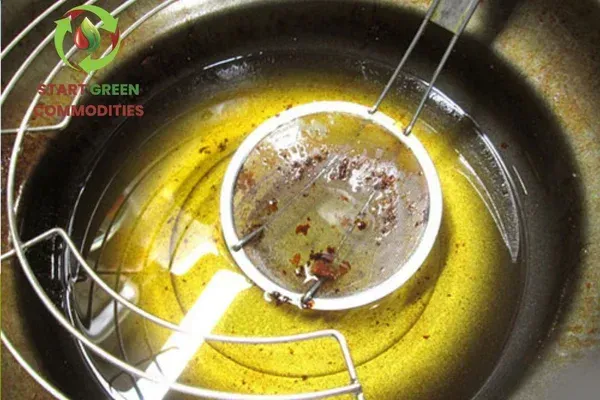
Used cooking oil is collected in special containers by restaurants or other food service operations after use for cooking. Depending on the size of the operation, these containers may range from small indoor tanks to large outdoor storage systems.
Professional recycling companies schedule regular pickups to ensure businesses can continue operating without interruption.
During collection, trained technicians:
Inspect storage containers
Remove accumulated oil safely
Prevent spills and contamination
Transport oil using specialized vehicles
Maintain compliance documentation
Modern collection systems are designed to maximize efficiency while minimizing environmental risks.
This first step is essential because contaminated oil can reduce the effectiveness of the recycling process.
Step 2: Transportation to Processing Facilities
After collection, the oil is transported to licensed recycling facilities.
At this stage, the used oil remains a raw material rather than a finished recyclable product. The transportation process follows strict environmental and safety standards to ensure that no leaks or contamination occur during transit.
Advanced logistics systems help recycling providers optimize collection routes, reducing fuel consumption and overall carbon emissions.
Many modern recycling companies also use digital monitoring systems that track:
Collection volumes
Pickup schedules
Tank capacities
Environmental compliance records
These technologies help streamline the entire recycling chain.
Step 3: Initial Inspection and Quality Assessment
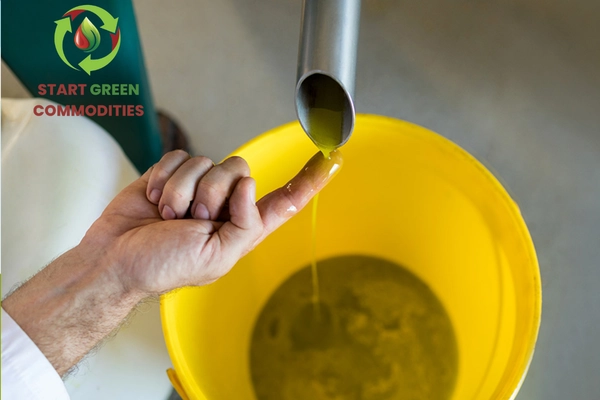
Once the used cooking oil arrives at the recycling facility, it undergoes a comprehensive inspection.
Technicians assess the oil for:
Water Content
Excess water can interfere with processing and must be removed before recycling.
Food Particle Contamination
Bits of food, breading, and cooking residue are common contaminants.
Chemical Impurities
The facility checks for cleaning chemicals or foreign substances that may have accidentally entered the oil.
Oil Quality
Different grades of oil may be directed toward different recycling applications.
This assessment helps determine the most suitable recycling pathway for the collected material.
Step 4: Filtration and Cleaning
The next phase involves removing contaminants.
Large industrial filtration systems separate:
Food scraps
Sediment
Moisture
Organic debris
Solid particles
The cleaning process significantly improves the quality of the recovered oil.
Depending on the intended end use, multiple filtration stages may be required.
Advanced processing facilities often employ:
Centrifugal separation
Mechanical filtration
Thermal treatment
Water removal systems
These technologies ensure the oil meets quality standards for further refinement.
Step 5: Refining the Recovered Oil
After filtration, the oil enters the refining stage.
This process transforms the waste material into a usable industrial feedstock.
Refining may involve:
Degumming
Removing phospholipids and unwanted compounds.
Neutralization
Reducing free fatty acid content.
Bleaching
Improving color and purity.
Deodorization
Eliminating odors associated with used oil.
The result is a cleaner, more consistent material suitable for manufacturing renewable products.
Step 6: Conversion into Biodiesel
One of the most common destinations for recycled cooking oil is biodiesel production.
Biodiesel is a renewable fuel made from fats and oils, including recycled cooking oil.
The conversion process typically involves:
Chemical treatment
Transesterification
Separation of byproducts
Purification
Quality testing
The finished biodiesel can be used in:
Trucks
Buses
Agricultural equipment
Industrial machinery
Fleet vehicles
Because biodiesel burns cleaner than petroleum diesel, it helps reduce greenhouse gas emissions while providing a productive use for waste materials.
Step 7: Production of Renewable Diesel
In recent years, renewable diesel has become an increasingly important market for recycled cooking oil.
Unlike traditional biodiesel, renewable diesel is chemically similar to petroleum diesel and can often be used without engine modifications.
Benefits include:
Lower carbon emissions
High fuel performance
Reduced sulfur content
Improved cold-weather operation
As demand for renewable energy continues to grow, used cooking oil has become a valuable resource in sustainable fuel production.
Step 8: Manufacturing of Industrial Products
Not all recycled cooking oil becomes fuel.
Many industries use refined oil as a raw material for manufacturing products such as:
Animal Feed Ingredients
Certain processed oils can be incorporated into approved feed products.
Soaps and Detergents
Fatty acids derived from recycled oils are commonly used in cleaning products.
Lubricants
Industrial lubricants often contain renewable oil derivatives.
Chemicals and Surfactants
Various manufacturing sectors rely on bio-based compounds produced from recycled oils.
This diversification creates multiple recycling pathways and maximizes resource recovery.
The Environmental Benefits of Used Cooking Oil Recycling
The environmental impact of proper recycling is substantial.
Reduced Landfill Waste
Oil that is recycled avoids entering waste streams unnecessarily.
Lower Carbon Footprint
Renewable fuels produced from recycled oil generate fewer emissions than fossil fuels.
Protection of Water Resources
Proper disposal prevents contamination of rivers, lakes, and groundwater.
Improved Sewer Infrastructure
Recycling keeps grease out of municipal sewer systems.
Conservation of Natural Resources
Reusing existing materials reduces the need for virgin resources.
These benefits make used cooking oil recycling a critical component of sustainable waste management.
The Connection Between Oil Recycling and Kitchen Drain Maintenance
Many restaurant owners focus on oil collection but overlook the importance of kitchen drain maintenance.
The two practices are closely connected.
When cooking oil enters drains, it can:
Harden inside pipes
Restrict water flow
Cause backups
Increase maintenance costs
Create unpleasant odors
Routine drain maintenance helps prevent these issues while supporting overall grease management efforts.
Effective kitchen drain maintenance includes:
Regular Inspections
Early detection prevents major plumbing failures.
Grease Trap Cleaning
Removing accumulated grease improves system performance.
Staff Training
Employees should understand proper disposal procedures.
Preventive Maintenance Programs
Scheduled servicing reduces emergency repairs.
When combined with professional oil recycling, these measures create a comprehensive grease management strategy.
Modern Restaurant Grease Waste Solutions
Today's food service industry has access to advanced restaurant grease waste solutions that go far beyond traditional disposal methods.
Some of the most effective solutions include:
Automated Oil Collection Systems
These systems safely transport used oil from fryers to storage tanks.
Smart Monitoring Technology
Sensors track oil levels and collection needs in real time.
Grease Trap Management Programs
Regular maintenance prevents costly blockages.
Sustainability Reporting
Businesses can track their environmental impact and recycling achievements.
Comprehensive Waste Audits
Identifying waste reduction opportunities improves operational efficiency.
Professional service providers such as NW Grease offer specialized grease management and recycling support that helps restaurants maintain compliance while improving sustainability. Businesses looking for dependable grease management resources can explore the services available through NW Grease as part of their broader waste management strategy.
Economic Benefits for Restaurants
Beyond environmental advantages, recycling used cooking oil can also provide financial benefits.
Reduced Plumbing Costs
Proper disposal minimizes drain and sewer issues.
Lower Maintenance Expenses
Preventive grease management reduces emergency repairs.
Improved Operational Efficiency
Clean systems perform better and last longer.
Regulatory Compliance
Avoiding fines and violations protects profitability.
Sustainability Marketing
Consumers increasingly support environmentally responsible businesses.
These advantages make recycling a smart investment rather than merely a compliance requirement.
Common Misconceptions About Used Cooking Oil Recycling
Several myths still exist regarding used cooking oil recycling.
Myth 1: Collected Oil Is Simply Discarded
In reality, most collected oil is processed into valuable renewable products.
Myth 2: Recycling Is Only for Large Restaurants
Businesses of all sizes can participate in recycling programs.
Myth 3: Oil Disposal Doesn't Affect Plumbing
Improper disposal is one of the leading causes of grease-related plumbing issues.
Myth 4: Recycling Has No Business Benefits
Recycling supports compliance, sustainability, and operational efficiency.
Understanding these facts helps businesses make better waste management decisions.
How Businesses Can Improve Their Recycling Efforts
To maximize recycling success, restaurants should:
Use dedicated oil storage containers
Train staff on proper disposal procedures
Schedule regular pickups
Maintain grease traps consistently
Implement kitchen drain maintenance programs
Work with reputable recycling partners
Monitor oil usage and waste generation
Small improvements can lead to significant environmental and operational benefits over time.
The Future of Used Cooking Oil Recycling
The future of cooking oil recycling is exceptionally promising.
Growing demand for renewable fuels, stricter environmental regulations, and increased corporate sustainability commitments are driving innovation throughout the industry.
Emerging technologies may soon enable:
Higher fuel conversion efficiency
Advanced waste tracking systems
AI-powered collection scheduling
Enhanced contamination detection
Greater resource recovery rates
As these technologies mature, used cooking oil will continue evolving from a waste product into a valuable renewable resource.
Final Thoughts
The journey of used cooking oil doesn't end when it leaves your restaurant. Through professional used cooking oil recycling, what was once considered waste can be transformed into renewable fuels, industrial products, and sustainable resources that benefit both businesses and the environment.
From collection and transportation to filtration, refining, and final product manufacturing, every stage of the recycling process contributes to a cleaner and more circular economy.
By combining responsible oil recycling practices with proactive kitchen drain maintenance and modern restaurant grease waste solutions, restaurants can reduce costs, improve operational efficiency, maintain compliance, and demonstrate a genuine commitment to sustainability.
As environmental awareness continues to grow, businesses that invest in proper grease management today will be better positioned for long-term success while helping create a more sustainable future for the food service industry.