How Proper Oil Recycling Helps Prevent City Sewer Backups
INTRODUCTION,
A City-Wide Solution That Protects Homes, Restaurants, and Infrastructure
Urban sewer backups are one of the most expensive, disruptive, and unpleasant problems cities face today. From flooded basements and foul odors in residential neighborhoods to costly shutdowns in commercial kitchens, sewer blockages affect everyone. While many people blame aging pipes or heavy rainfall, a major cause often goes unnoticed: improper disposal of used cooking oil.
When cooking oil is poured down drains or mishandled in commercial kitchens, it doesn’t simply disappear. Over time, it cools, thickens, and combines with other debris inside sewer lines, forming massive blockages that restrict water flow. These blockages eventually lead to city sewer backups that impact entire communities.
This is where used cooking oil collection, grease trap cleaning, and responsible oil recycling near me services play a critical role. Proper oil recycling is not just an environmental choice it is a city-wide prevention strategy that protects infrastructure, public health, and local economies.
In this in-depth guide, we’ll explore how proper oil recycling helps prevent sewer backups, why cities are increasingly focused on this issue, and how residents and restaurants alike can be part of the solution.
Understanding the Root Cause of City Sewer Backups
What Happens Inside City Sewer Systems?
City sewer systems are designed to transport wastewater efficiently from homes and businesses to treatment facilities. These systems rely on clear, unobstructed pipes to function correctly. However, when fats, oils, and grease (often called FOG) enter the system, problems begin.
Cooking oil may be liquid when hot, but once it cools inside underground pipes, it solidifies. Over time, this hardened oil sticks to pipe walls and traps food particles, wipes, and other debris. The result is a growing blockage that reduces pipe capacity.
The Hidden Enemy: Used Cooking Oil
Among all forms of FOG, used cooking oil is one of the most damaging. Restaurants produce large volumes of it daily, but households also contribute significantly by pouring oil down sinks after cooking. Even small amounts, repeated over time, can create severe issues.
Without proper used cooking oil collection, cities experience:
Frequent sewer line clogs
Increased maintenance and repair costs
Wastewater overflows into streets and waterways
Health hazards for residents
Why Improper Oil Disposal Affects Entire Cities
The Domino Effect of Sewer Backups
A single clogged pipe doesn’t just affect one building. City sewer systems are interconnected, meaning one blockage can cause backups across multiple neighborhoods. When pressure builds up behind a clog, wastewater looks for the nearest exit often through residential drains, manholes, or commercial kitchen floors.
Impact on Residential Communities
For residents, sewer backups mean:
Flooded basements and bathrooms
Property damage to floors, walls, and appliances
Exposure to harmful bacteria and contaminants
Expensive cleanup and restoration costs
These incidents disproportionately affect densely populated urban areas where sewer lines are already under stress.
Impact on Restaurants and Businesses
Restaurants face even greater risks. Sewer backups can lead to:
Forced closures due to health violations
Food contamination
Lost revenue and damaged reputation
Emergency plumbing expenses
This is why grease trap cleaning and professional oil recycling are not optional they are essential operational practices.
How Proper Oil Recycling Prevents Sewer Backups
Step 1: Safe Collection at the Source
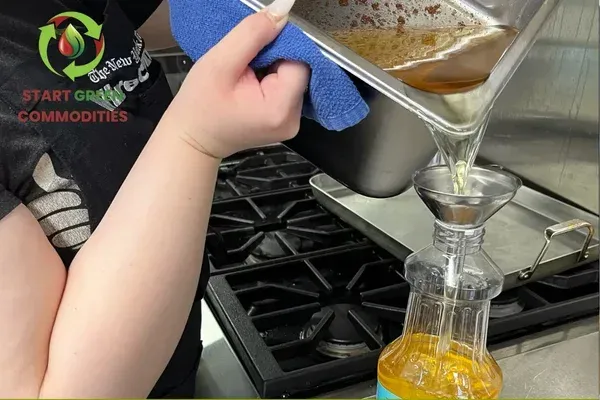
The first line of defense is proper used cooking oil collection. Instead of pouring oil down drains, it is stored in designated containers and picked up by licensed recycling providers. This prevents oil from ever entering the sewer system.
Step 2: Grease Trap Cleaning and Maintenance
Grease traps are designed to capture fats, oils, and grease before they reach sewer lines. However, they only work when maintained correctly. Routine grease trap cleaning ensures:
Traps do not overflow
Oil and grease are removed safely
Sewer compliance regulations are met
Neglected grease traps are one of the leading causes of commercial sewer backups.
Step 3: Recycling Oil into Useful Resources
Collected oil isn’t waste it’s a valuable resource. Through proper recycling processes, used cooking oil is converted into:
Biodiesel
Renewable fuels
Industrial lubricants
Companies like Start Green Commodities help turn environmental liabilities into sustainable energy solutions. Learn more about how recycled oil contributes to clean energy initiatives in California by reading this internal resource:
👉 Green Energy California
City-Wide Benefits of Proper Oil Recycling
Reduced Sewer Maintenance Costs
When oil is kept out of sewer systems, cities spend less on emergency repairs, pipe replacements, and cleanup operations. These savings can be redirected toward infrastructure improvements and community services.
Improved Public Health
Sewer backups release harmful pathogens into homes and public spaces. By preventing clogs through oil recycling, cities reduce exposure to bacteria, viruses, and toxic substances.
Environmental Protection
Overflowing sewers often dump untreated wastewater into rivers, lakes, and oceans. Proper oil recycling significantly lowers the risk of these environmental disasters, protecting wildlife and water quality.
Why “Oil Recycling Near Me” Matters More Than Ever
Convenience Drives Compliance
One of the biggest reasons people dispose of oil improperly is inconvenience. Searching for reliable oil recycling near me solutions makes responsible disposal easier for both residents and businesses.
Local recycling services ensure:
Faster pickup times
Better compliance with city regulations
Reduced risk of illegal dumping
Supporting Local Sustainability Efforts
Using nearby oil recycling services strengthens local sustainability initiatives and reduces transportation emissions. It also supports businesses that invest in environmentally responsible infrastructure.
The Restaurant Perspective: A Critical Role in Sewer Prevention
High-Volume Oil Production
Restaurants generate significantly more used cooking oil than households. Fryers, grills, and sauté stations all contribute to daily oil waste. Without structured disposal systems, this oil often ends up in drains.
Regulatory Compliance and Inspections
Many cities now enforce strict FOG regulations. The non-compliance might lead to fines, suspension, or the loss of licenses. Regular grease trap cleaning and documented oil recycling help restaurants stay compliant and inspection-ready.
Partnering with Professionals
Working with professional oil recyclers and grease management providers ensures best practices are followed. For example, industry leaders like NW Grease offer services to assist commercial kitchens in the area of grease management responsible and in the preservation of sewage.
The Residential Role: Small Actions, Big Impact
Household Oil Disposal Habits
While restaurants are major contributors, residential homes collectively produce massive amounts of oil waste. Simple habits can make a huge difference:
Let oil cool and store it in sealed containers
Never pour oil down sinks or toilets
Use local oil recycling drop-off points
Community Awareness and Education
Cities that invest in public education see dramatic reductions in sewer backups. When residents understand the connection between oil disposal and sewer issues, compliance improves naturally.
Economic Impact of Preventing Sewer Backups
Lower Costs for Cities
Emergency sewer repairs can cost millions annually. Preventive strategies like oil recycling are far more cost-effective than reactive repairs.
Reduced Insurance Claims
Homeowners and businesses benefit from fewer insurance claims related to water damage, keeping premiums lower over time.
Job Creation in Green Industries
Oil recycling supports the growth of green energy and waste management sectors, creating jobs while protecting infrastructure.
Oil Recycling and Sustainable Urban Development
Modern cities are rethinking waste management as part of their sustainability strategies. Oil recycling aligns perfectly with goals such as:
Carbon footprint reduction
Renewable energy production
Infrastructure longevity
By integrating used cooking oil collection into city planning, municipalities create resilient systems that support long-term growth.
The Future of Sewer Protection Starts Today
As cities grow and populations increase, sewer systems face greater pressure than ever before. Climate change, heavier rainfall, and aging infrastructure compound the problem. However, one solution remains simple and effective: keep oil out of the drains.
Proper oil recycling is not just a technical fix it’s a shared responsibility. When residents, restaurants, recycling companies, and city governments work together, the result is cleaner streets, healthier communities, and stronger infrastructure.
Final Thoughts: A Collective Solution for a Cleaner City
City sewer backups are not inevitable. They are preventable. Through responsible used cooking oil collection, regular grease trap cleaning, and easy access to oil recycling near me services, cities can dramatically reduce sewer failures.
For residents, it means safer homes and cleaner neighborhoods. For restaurants, it means compliance, efficiency, and peace of mind. For cities, it means sustainable infrastructure and lower long-term costs.
Proper oil recycling is a small action with a massive impact and it starts at the source.
