The Environmental Impact of Recycling Used Cooking Oil
Table of Contents
The Hidden Problem with Used Cooking Oil
Why Recycling Used Cooking Oil Matters
How Used Oil Recycling Works
Quantifying the Environmental Benefits
Used Oil Sustainability: A Closer Look
Real-Life Impact: Businesses Leading the Change
How to Find “Recycling Used Cooking Oil Near Me”
Partnering for a Cleaner Tomorrow
Final Thoughts
The Hidden Problem with Used Cooking Oil
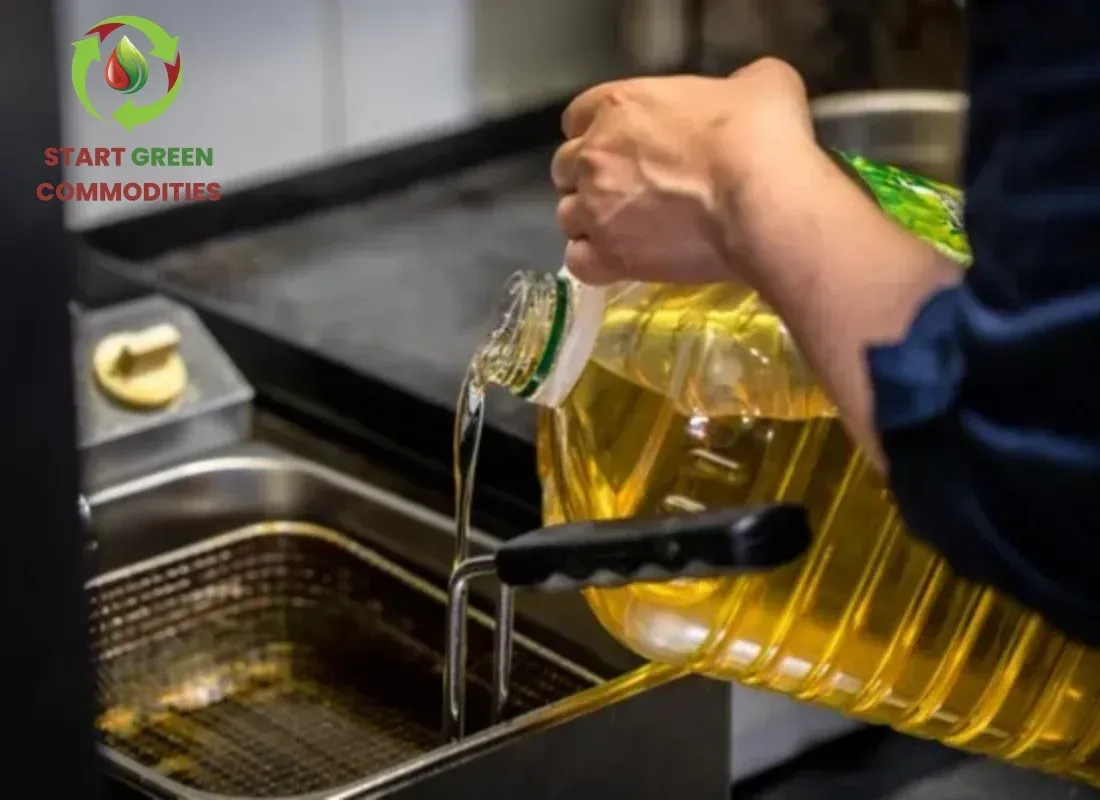
Every day, restaurants, food trucks, and households pour out gallons of used cooking oil after frying or grilling. While it might seem harmless, improper disposal of this oil such as pouring it down the drain or tossing it with regular waste creates serious environmental problems.
Clogged plumbing systems, water contamination, and soil pollution are just the beginning. According to environmental studies, one liter of used oil can pollute up to 1,000 liters of water, severely harming aquatic life and damaging sewer infrastructure.
But here’s the good news recycling used cooking oil near you can turn this waste into a powerful resource. From biodiesel production to carbon reduction, this small act contributes massively to sustainability.
Why Recycling Used Cooking Oil Matters
Recycling used oil is more than just a kitchen chore it’s a step toward sustainable living. Each drop collected helps minimize landfill waste, supports renewable fuel production, and prevents contamination of our waterways.
When you recycle your oil responsibly, it doesn’t end up clogging drains or polluting the soil. Instead, it’s filtered, purified, and transformed into biodiesel a clean-burning, renewable energy source that powers trucks, buses, and even agricultural machinery.
This process helps communities reduce reliance on fossil fuels, making used oil sustainability not just an option, but a necessity for eco-conscious businesses.
How Used Oil Recycling Works
Understanding the used cooking oil recycling process helps us appreciate how waste becomes energy. Here’s a breakdown of how it happens:
This closed-loop system makes used oil recycling one of the most efficient examples of circular economy principles in action.
Quantifying the Environmental Benefits
Let’s move beyond theory and into real impact. The environmental benefits of recycling used cooking oil near you can be measured in tangible terms in gallons of waste diverted, emissions reduced, and energy conserved.
1. Reduced Carbon Footprint
Converting used oil into biodiesel can reduce greenhouse gas emissions by up to 86% compared to traditional diesel. Each gallon of biodiesel produced offsets roughly 16 pounds of CO₂ emissions, making it one of the most effective renewable energy swaps available today.
In collaboration with sustainability-focused companies like Start Green Commodities, local businesses are already seeing measurable results lowering their carbon footprint while improving operational efficiency.
2. Cleaner Water Systems
Improper oil disposal leads to sewage blockages and polluted waterways. By recycling, you prevent thousands of gallons of wastewater contamination annually, safeguarding both municipal systems and marine ecosystems.
3. Less Landfill Waste
Used oil recycling helps divert massive amounts of waste from landfills. Instead of decomposing and releasing methane a potent greenhouse gas the oil gets repurposed into eco-fuel.
Used Oil Sustainability: A Closer Look
Used oil sustainability goes beyond recycling it’s about creating a long-term environmental and economic balance.
Circular Economy: Instead of being discarded, used oil reenters the production cycle as renewable fuel.
Job Creation: The oil recycling industry supports thousands of green jobs in logistics, energy, and environmental management.
Community Resilience: Local recycling initiatives strengthen community sustainability and energy independence.
This sustainable cycle aligns perfectly with 2025’s global movement toward renewable fuel adoption, especially in environmentally conscious states like California and Washington.
You can explore how NW Grease plays a vital role in this transformation by visiting their resource on eco-fuel production and environmental impact.
Real-Life Impact: Businesses Leading the Change
In Ventura and surrounding cities, restaurants have started partnering with licensed recyclers to ensure consistent used oil collection. Through proper scheduling and recycling, they’ve reduced plumbing issues, avoided fines, and even turned waste into a source of income.
Case Study Example: A Small Café in Ventura
Before recycling, this café faced regular drainage clogs and disposal costs. After signing up for routine used oil collection, they:
Reduced maintenance expenses by 40%.
Recycled over 2,500 gallons of oil in one year.
Earned oil credits through their recycler.
Promoted their eco-conscious practices to attract customers.
This kind of success story proves how restaurant maintenance tips like timely oil pickups aren’t just operational they’re environmental actions with measurable payoffs.
How to Find “Recycling Used Cooking Oil Near Me”
If you’re searching for “recycling used cooking oil near me”, here’s what to consider:
Check Local Regulations: Ensure your city allows collection by certified recyclers.
Partner with Licensed Providers: Work with companies like Start Green Commodities that ensure compliant, safe, and eco-friendly recycling.
Schedule Regular Pickups: Prevent overflow and contamination by setting weekly or biweekly pickups.
Monitor and Track: Keep a log of your recycling volumes to measure your sustainability impact.
Engage Employees: Train staff on proper oil handling and storage to prevent spillage or contamination.
Many restaurants and food service providers in Ventura and neighboring regions already rely on Ventura oil recycling networks for dependable and ethical disposal solutions.
Partnering for a Cleaner Tomorrow
When you recycle, you’re not just cleaning your kitchen you’re contributing to a global environmental effort. Every gallon of oil recycled keeps harmful waste out of ecosystems and fuels the production of cleaner, greener energy.
Partnerships with sustainable waste companies like Start Green Commodities and NW Grease enable small businesses to make big environmental changes. Together, they’re building a renewable energy future one gallon at a time.
By turning your waste into renewable resources, you’re proving that sustainability isn’t just for large corporations it’s a mindset every business can adopt.
Environmental Impact Overview
Here’s a quick snapshot of what oil recycling achieves when done at scale:
Each of these impacts compounds over time proving that used oil sustainability truly drives a healthier planet.
Final Thoughts
Recycling used cooking oil isn’t just a behind-the-scenes task it’s a frontline environmental action. Every gallon you recycle supports cleaner air, reduces waste, and strengthens the renewable energy movement.
Whether you’re a small restaurant owner, a food service manager, or an eco-conscious individual, your decision to recycle plays a crucial role in sustainability.
So next time you search for “recycling used cooking oil near me”, remember it’s not just about convenience. It’s about protecting the planet, empowering your community, and being part of the solution.
Join the movement toward sustainability today.
Partner with trusted recyclers like Start Green Commodities and explore how they’re actively helping reduce the carbon footprint of businesses worldwide in.