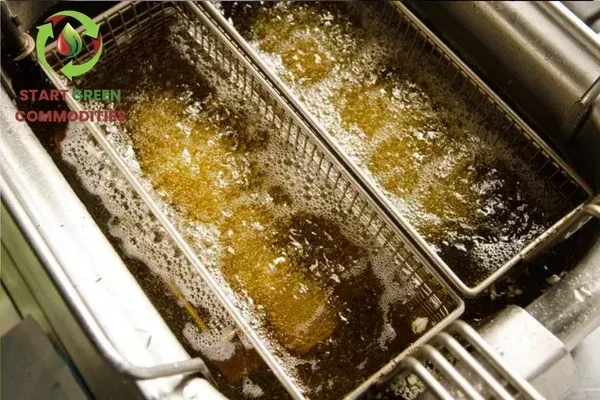
When you are searching for an used cooking oil pickup service there are several things you need to consider.
Introduction
For restaurants, commercial kitchens, food trucks, cafeterias, and food processing facilities, managing used cooking oil is a necessary part of daily operations. While it may seem like a routine task, choosing the right pickup provider can significantly impact your business's efficiency, compliance, cleanliness, and sustainability efforts.
Many restaurant owners focus heavily on food quality and customer service but overlook the importance of partnering with a dependable oil collection company. Unfortunately, unreliable pickup schedules, improper handling practices, and poor customer service can create expensive operational problems.
That's why finding a trustworthy provider for used cooking oil recycling is more important than ever. A reliable service not only ensures proper waste management but also helps businesses stay compliant with environmental regulations, avoid plumbing issues, and contribute to sustainable resource recovery.
In this guide, we'll explore exactly what restaurant owners should look for when selecting a professional cooking oil pickup company. Whether you operate a small local diner or a multi-location restaurant chain, these insights will help you make an informed decision that benefits your business in the long run.
Why Proper Used Cooking Oil Management Matters
Every commercial kitchen generates waste oil. Fryers, grills, and cooking equipment produce large quantities of oil that eventually reach the end of their usable life.
Without proper management, waste oil can lead to:
Clogged sewer systems
Expensive plumbing repairs
Health code violations
Environmental contamination
Unpleasant odors
Pest infestations
Increased maintenance costs
Professional used cooking oil recycling programs help eliminate these risks while turning waste oil into a valuable resource.
Rather than ending up in landfills or sewer systems, recycled cooking oil can be converted into renewable diesel, biodiesel, industrial products, and other sustainable materials.
Used Cooking Oil Recycling is becoming more and more important.
Sustainability is no longer optional for many businesses. Customers increasingly support environmentally responsible restaurants, and state regulations continue to encourage better waste management practices.
Through effective used cooking oil recycling, restaurants can:
Reduce environmental impact
Support renewable energy production
Improve sustainability reporting
Demonstrate corporate responsibility
Enhance brand reputation
By partnering with a professional collection company, restaurants actively contribute to a circular economy where waste becomes a valuable resource.
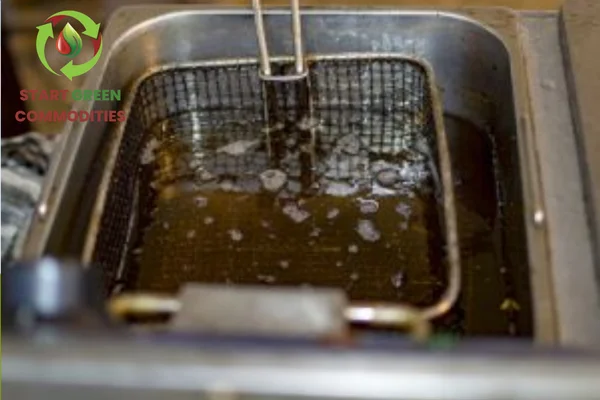
What Makes a Reliable Used Cooking Oil Pickup Service?
Not all collection providers deliver the same level of quality. The best companies offer much more than simple oil removal.
Let's examine the most important qualities that define a reliable service provider.
1. Consistent and Reliable Pickup Schedules
One of the biggest frustrations restaurant owners face is missed pickups.
Cooking oil storage containers fill quickly, especially in high-volume kitchens. Late pickups may lead to overflowed bins, sanitation issues and disruption of operations.
A dependable provider should offer:
Scheduled pickups
Flexible service intervals
Emergency collection options
Timely arrivals
Reliable communication
Before signing any contract, ask potential providers how they handle schedule changes and unexpected increases in oil volume.
Consistency is one of the strongest indicators of service quality.
2. Proper Storage Equipment
The quality of storage equipment directly impacts safety and efficiency.
Professional providers typically offer specialized containers designed specifically for commercial kitchen environments.
Look for storage systems that provide:
Leak Prevention
Oil spills create safety hazards and environmental concerns. Secure containers help prevent costly accidents.
Weather Resistance
Outdoor containers should withstand rain, heat, and environmental exposure.
Easy Access
Employees should be able to transfer oil safely without excessive lifting or complicated procedures.
Theft Protection
Cooking oil theft has become a growing issue in many areas. Lockable containers provide an added layer of security.
High-quality storage solutions reduce risks while improving daily operations.
3. Commitment to Sustainable Recycling Practices
A truly reliable provider should prioritize recycling rather than disposal.
Ask potential partners:
Where does collected oil go?
How is it processed?
Is it converted into renewable fuel?
Do they support sustainability initiatives?
The best companies actively contribute to renewable energy production through responsible used cooking oil recycling programs.
This not only benefits the environment but also strengthens your restaurant's sustainability efforts.
4. Industry Experience and Expertise
Experience matters when it comes to oil collection and waste management.
Companies with years of experience typically have:
Better operational systems
Trained personnel
Strong regulatory knowledge
Established service processes
Proven reliability
Experienced providers understand the unique challenges restaurants face and can offer solutions tailored to your operation.
When evaluating companies, ask about:
Years in business
Restaurant clients served
Industry certifications
Service coverage areas
A strong track record often reflects dependable service.
5. Compliance With Environmental Regulations
Restaurants must comply with local and state regulations regarding waste handling and disposal.
Failure to comply can result in:
Fines
Penalties
Health code issues
Environmental violations
A professional pickup service should understand all relevant requirements and help ensure compliance.
Reliable providers stay informed about:
Environmental regulations
Waste transportation laws
Storage requirements
Reporting standards
Recycling guidelines
This expertise helps protect your business from unnecessary risks.
6. Responsive Customer Support
Even the best systems occasionally encounter issues.
The difference between average and exceptional providers often comes down to customer support.
Reliable companies offer:
Fast response times
Dedicated support teams
Emergency assistance
Clear communication
Proactive problem-solving
Try contacting a company's support department before committing. Their responsiveness can reveal a great deal about the overall customer experience.
7. Transparent Service Agreements
Clear contracts build trust.
Before choosing a provider, carefully review:
Service frequency
Pricing structure
Equipment responsibilities
Pickup schedules
Cancellation policies
Additional fees
Avoid companies that use vague language or hidden charges.
Transparency is a key sign of professionalism and reliability.
8. Comprehensive Waste Management Solutions
The best providers often offer services beyond simple oil collection.
Many restaurants benefit from integrated waste management programs that include:
Used oil collection
Grease trap maintenance
Spill prevention support
Compliance assistance
Sustainability reporting
Businesses frequently searching for grease trap cleaning near me can benefit from working with providers that offer multiple services under one roof.
Integrated solutions simplify operations and improve overall waste management efficiency.
Why Grease Trap Maintenance Matters
While oil collection is important, grease trap maintenance is equally critical.
Grease traps prevent fats, oils, and grease from entering sewer systems.
Without routine maintenance, grease traps can cause:
Drain backups
Sewer overflows
Strong odors
Regulatory violations
Expensive repairs
Many restaurant owners initially search for grease trap cleaning near me after experiencing a plumbing issue.
However, proactive maintenance is far more cost-effective than emergency repairs.
A reliable waste management partner can help coordinate both services to keep kitchens operating smoothly.
9. Strong Safety Standards
Safety should always be a top priority.
Professional collection companies implement procedures designed to protect:
Employees
Customers
Property
The environment
Look for providers that emphasize:
Employee Training
Properly trained personnel reduce accident risks.
Spill Response Procedures
Effective response plans help contain incidents quickly.
Equipment Maintenance
Regular inspections ensure collection vehicles and containers remain safe.
Safety Certifications
Industry certifications often indicate a commitment to best practices.
A provider's safety culture can significantly impact your business's risk exposure.
10. Scalability for Future Growth
Your restaurant's needs may change over time.
Perhaps you plan to:
Open new locations
Expand operations
Increase production
Upgrade kitchen equipment
A reliable provider should be capable of growing alongside your business.
Scalable service options prevent the need to switch providers as your requirements evolve.
Long-term flexibility creates operational stability and reduces administrative burdens.
Questions Every Restaurant Owner Should Ask
Before selecting a collection company, ask these important questions:
How often will pickups occur?
Service frequency should match your oil production volume.
What type of containers are provided?
Storage quality directly affects safety and efficiency.
How is the oil recycled?
A reputable provider should explain their recycling process clearly.
What happens if a pickup is missed?
Reliable contingency plans are essential.
Do you provide documentation?
Records support compliance and sustainability initiatives.
Are emergency services available?
Unexpected situations require quick solutions.
Do you offer grease trap maintenance?
Integrated services can simplify operations.
These questions help identify providers that truly prioritize customer success.
Red Flags to Watch For
Not every collection company delivers professional service.
Warning signs include:
Frequent Missed Pickups
Unreliable scheduling often creates operational headaches.
Poor Communication
Slow responses may indicate broader service issues.
Lack of Transparency
Hidden fees and unclear contracts should raise concerns.
Outdated Equipment
Poor-quality containers increase risks and maintenance costs.
Limited Recycling Information
Trustworthy providers are transparent about how oil is processed.
No Industry References
Established companies should be able to provide client testimonials or references.
Recognizing these warning signs early can prevent future frustrations.
The Financial Benefits of Choosing the Right Provider
Reliable collection services can save restaurants significant money over time.
Benefits often include:
Reduced plumbing repairs
Lower maintenance costs
Improved compliance
Fewer operational disruptions
Better resource management
Businesses that invest in professional waste management frequently experience long-term cost savings.
For additional insights into how oil recycling programs can improve operational efficiency, visit this helpful guide on used cooking oil recycling:
Understanding the broader financial impact of proper oil management can help restaurants make smarter operational decisions.
Partnering With Industry Experts
The best collection providers serve as strategic partners rather than simple vendors.
Professional organizations such as NW Grease help restaurants improve waste management through dependable collection services, recycling expertise, and operational support.
Working with experienced industry professionals allows restaurants to focus on serving customers while ensuring waste oil is managed responsibly and efficiently.
A trusted partner can help streamline operations, maintain compliance, and support sustainability goals simultaneously.
The Future of Restaurant Oil Disposal
The restaurant industry continues to evolve, and waste management practices are changing alongside it.
Future trends include:
Increased recycling requirements
Renewable fuel expansion
Smart monitoring systems
Automated collection technology
Enhanced sustainability reporting
As environmental awareness grows, businesses that prioritize responsible restaurant oil disposal will be better positioned for long-term success.
Reliable collection providers will play a critical role in helping restaurants adapt to these changing expectations.
Conclusion
Selecting the right cooking oil pickup service is about much more than finding someone to remove waste oil. A reliable provider becomes an essential operational partner that supports compliance, sustainability, safety, and efficiency.
When evaluating providers, focus on factors such as service reliability, recycling practices, customer support, regulatory knowledge, safety standards, and scalability.
The best companies offer comprehensive solutions that include used cooking oil recycling, support for restaurant oil disposal, and assistance with services often associated with grease trap cleaning near me searches.
By choosing a trusted partner, restaurant owners can reduce risks, improve operational performance, support environmental goals, and create a cleaner, more efficient kitchen environment.
In today's competitive food service industry, investing in a dependable used cooking oil pickup service is not just a waste management decision it's a smart business decision that delivers long-term value.