How Homeowners in California Can Recycle Cooking Oil the Right Way
Introduction:
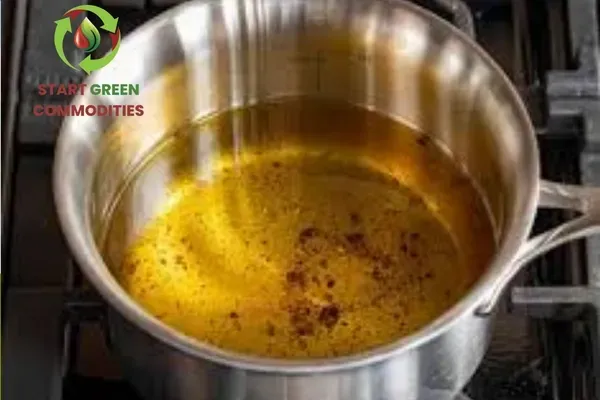
Cooking oil is something almost every California household uses daily. Whether you enjoy deep frying, sautéing vegetables, grilling seafood, or preparing family meals, used oil is a natural byproduct of cooking. However, many homeowners still do not know the correct way to dispose of it. Some pour it down kitchen drains, others throw it in the trash improperly, and many simply store it without knowing what to do next.
The truth is that improper oil disposal can seriously damage plumbing systems, pollute local waterways, and create environmental hazards. That is why used cooking oil recycling has become increasingly important across California.
As sustainability awareness grows, homeowners are looking for cleaner and smarter ways to manage kitchen waste. Proper oil recycling not only protects your home plumbing but also supports environmental conservation and renewable energy production.
This complete guide explains how California homeowners can recycle cooking oil the right way, avoid common disposal mistakes, understand environmental benefits, and create a cleaner and more sustainable kitchen routine.
Why Proper Cooking Oil Disposal Matters
Many people assume cooking oil is harmless because it is used in food preparation. Unfortunately, once oil enters drains or sewage systems, it can create major problems.
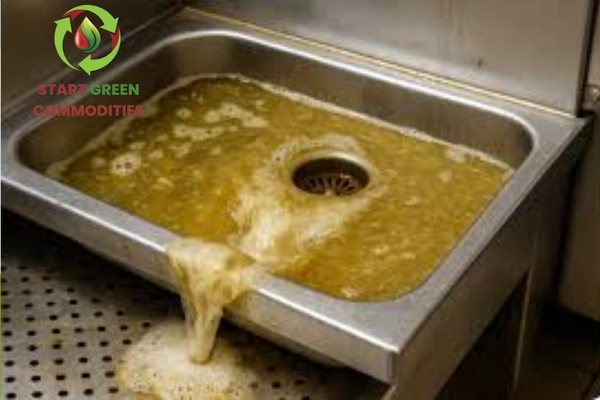
Cooking grease hardens as it cools. Over time, this buildup blocks pipes, damages sewer systems, and contributes to expensive plumbing repairs. In California, municipalities spend millions each year fixing grease-related sewer issues.
Improper oil disposal also harms the environment. Oil contamination can pollute water systems, damage wildlife habitats, and increase landfill waste.
That is why used cooking oil recycling is becoming a critical part of responsible household waste management.
What Happens When You Pour Oil Down the Drain?
One of the most common mistakes homeowners make is pouring grease or oil directly into the sink.
At first, the oil may appear to flow away easily. However, as it cools inside pipes, it begins to solidify and stick to plumbing walls.
Over time, this leads to:
Clogged drains
Slow sinks
Sewer backups
Bad odors
Expensive plumbing repairs
Environmental pollution
Even small amounts of grease can accumulate gradually and create significant blockages.
California cities actively encourage residents to avoid drain disposal because grease buildup can damage public wastewater systems.
Understanding Used Cooking Oil Recycling
Used cooking oil recycling is the process of collecting, filtering, and repurposing waste cooking oil into reusable products.
Instead of becoming waste, recycled oil can be transformed into:
Biodiesel fuel
Animal feed additives
Industrial lubricants
Renewable energy products
This process reduces environmental pollution while supporting sustainable energy initiatives.
California has become one of the leading states promoting environmentally friendly recycling programs, including cooking oil recycling for both businesses and homeowners.
The Environmental Benefits of Recycling Cooking Oil
Recycling cooking oil provides major environmental advantages.
Reduces Water Pollution
When oil enters storm drains or sewer systems, it can contaminate rivers, lakes, and coastal waters.
Proper recycling prevents this pollution and protects marine ecosystems.
Supports Renewable Energy
Recycled cooking oil is commonly used to produce biodiesel fuel.
Biodiesel burns cleaner than petroleum diesel and helps reduce greenhouse gas emissions.
Decreases Landfill Waste
Throwing oil-filled containers into trash bins increases landfill waste and contamination.
Recycling creates a cleaner and more sustainable disposal solution.
Encourages Sustainable Living
Households that recycle oil contribute to broader environmental sustainability efforts across California.
Small actions at home can collectively create a significant positive impact.
How California Homeowners Can Recycle Cooking Oil Properly
The good news is that recycling cooking oil is easier than many homeowners think.
Here is the step-by-step process.
Step 1: Allow the Oil to Cool
Never attempt to handle or transfer hot oil immediately after cooking.
Allow the oil to cool completely to avoid burns or spills.
Step 2: Strain Food Particles
Use a fine strainer or cheesecloth to remove food debris from the oil.
This helps keep the oil cleaner for recycling purposes.
Step 3: Store Oil in a Sealed Container
Transfer cooled oil into a secure container with a tight lid.
Good storage options include:
Plastic bottles
Metal containers
Original oil containers
Reusable grease containers
Avoid using containers that may leak easily.
Step 4: Find a Local Recycling Center
Many California communities offer designated recycling drop-off locations for household cooking oil.
Some cities even provide collection programs during environmental recycling events.
Step 5: Transport the Oil Safely
Keep containers upright and tightly sealed during transportation.
Avoid spills by placing containers inside boxes or reusable bags.
Common Cooking Oils That Can Be Recycled
Most household cooking oils can be recycled safely.
These include:
Vegetable oil
Canola oil
Corn oil
Peanut oil
Olive oil
Sunflower oil
Soybean oil
Grease from bacon, meat drippings, and lard can also often be recycled depending on local program guidelines.
Mistakes Homeowners Should Avoid
Many homeowners unintentionally create plumbing and environmental issues because of improper disposal habits.
Here are the biggest mistakes to avoid.
Pouring Oil into Sinks or Toilets
This remains the worst disposal method.
Oil buildup eventually damages plumbing systems and contributes to sewer overflows.
Throwing Hot Oil into Trash Bins
Hot oil can melt trash bags and create dangerous spills.
Always cool oil first.
Mixing Oil with Chemicals
Do not combine cooking oil with cleaning products, paint, or automotive fluids.
Contaminated oil often cannot be recycled.
Using Weak Containers
Leaky containers create messy transportation problems.
Always use strong, sealed containers.
How Cooking Oil Affects Household Plumbing
Many homeowners do not realize how expensive grease-related plumbing issues can become.
Grease sticks to pipe walls and gradually traps food particles and debris.
This buildup narrows pipes and eventually blocks water flow entirely.
Common signs of grease-related plumbing issues include:
Slow draining sinks
Gurgling pipes
Foul odors
Frequent clogs
Backed-up drains
Preventing these issues starts with responsible oil disposal.
The Connection Between Home Kitchens and Restaurant Waste Management
Although restaurant waste management is often associated with commercial kitchens, homeowners face many of the same grease disposal challenges on a smaller scale.
Restaurants use professional systems to manage grease because improper disposal can lead to severe plumbing and sanitation problems.
Homeowners can benefit from adopting similar habits, including:
Safe oil storage
Regular disposal routines
Drain protection practices
Responsible recycling methods
Learning from commercial waste management strategies helps households maintain cleaner kitchens and healthier plumbing systems.
Why California Is Focusing on Sustainable Waste Solutions
California continues to lead environmental sustainability efforts across the United States.
The state promotes:
Renewable energy programs
Waste reduction initiatives
Water conservation strategies
Eco-friendly recycling systems
Cooking oil recycling aligns directly with these environmental goals.
As awareness grows, more homeowners are participating in community recycling programs and reducing household pollution.
Creating an Eco-Friendly Kitchen at Home
An environmentally responsible kitchen goes beyond recycling cooking oil.
California homeowners can also improve sustainability by:
Reducing food waste
Composting organic scraps
Using reusable storage containers
Conserving water
Choosing eco-friendly cleaning products
Maintaining a clean kitchen environment also improves safety, hygiene, and household efficiency.
Homeowners interested in maintaining a healthier and cleaner cooking space can learn useful kitchen cleanliness strategies through resources like clean kitchen benefits guide.
How Professional Grease Services Help Communities
Commercial grease recycling companies play a major role in environmental protection.
By collecting and processing used cooking oil properly, these companies help reduce sewer damage and support renewable fuel production.
Businesses and homeowners alike benefit from cleaner waste systems and more sustainable recycling infrastructure.
For environmentally responsible grease collection and recycling support, homeowners and businesses can explore services offered by NW Grease Services.
Grease Trap Cleaning Near Me: Why It Matters
Many California homeowners search online for “grease trap cleaning near me” when experiencing severe drain or plumbing issues.
While grease traps are more common in restaurants, some residential properties and shared housing systems may also require grease management solutions.
Regular grease maintenance helps:
Prevent drain blockages
Reduce plumbing odors
Improve wastewater flow
Protect septic systems
Maintain cleaner kitchens
Ignoring grease buildup can eventually lead to costly repairs and sanitation problems.
How Used Cooking Oil Recycling Supports Renewable Energy
One of the biggest advantages of oil recycling is its contribution to renewable energy.
Collected oil is often processed into biodiesel fuel.
Biodiesel offers several environmental benefits:
Lower carbon emissions
Reduced air pollution
Cleaner fuel combustion
Reduced dependence on fossil fuels
By recycling household cooking oil, California residents actively contribute to cleaner energy production.
Teaching Families Sustainable Kitchen Habits
Sustainability begins at home.
Teaching children and family members responsible disposal habits helps build long-term environmental awareness.
Simple lessons like:
Never pouring oil down drains
Recycling household waste
Conserving water
Keeping kitchens clean
can create lifelong sustainable habits.
Families that practice environmentally responsible behaviors together often become more conscious consumers overall.
The Financial Benefits of Proper Oil Disposal
Many homeowners focus only on environmental benefits, but proper oil recycling also saves money.
Preventing grease buildup reduces the risk of:
Plumbing emergencies
Pipe replacements
Drain cleaning expenses
Water damage repairs
A small effort today can prevent major repair costs later.
Community Recycling Programs in California
Many California cities now offer cooking oil recycling programs.
These programs may include:
Local drop-off centers
Household hazardous waste facilities
Recycling events
Community sustainability campaigns
Checking your city or county waste management website is often the best way to locate nearby recycling options.
Best Practices for Storing Used Cooking Oil at Home
Safe storage is important for both cleanliness and convenience.
Follow these simple practices:
Use Airtight Containers
Prevent leaks and odors by sealing containers tightly.
Store in Cool Areas
Keep oil away from heat sources and direct sunlight.
Label Containers Clearly
Avoid confusion by labeling used oil containers properly.
Keep Away from Children and Pets
Store containers safely to prevent accidental spills.
Why More California Residents Are Choosing Sustainable Living
Environmental awareness has grown significantly across California over the last decade.
Homeowners increasingly understand that small household actions contribute to larger environmental outcomes.
Practices like:
Recycling oil
Reducing plastic use
Conserving energy
Supporting eco-friendly services
are becoming part of everyday life.
Used cooking oil recycling is one simple but powerful step toward a more sustainable future.
Final Thoughts
Proper cooking oil disposal is an essential part of maintaining a safe, clean, and environmentally responsible home in California.
Pouring grease down drains may seem harmless, but it can create serious plumbing issues, environmental damage, and unnecessary repair costs. By practicing responsible used cooking oil recycling, homeowners can protect their plumbing systems, reduce pollution, and support renewable energy initiatives.
Whether you cook occasionally or prepare meals daily, developing safe oil disposal habits makes a meaningful difference.
From safe storage and local recycling programs to cleaner kitchens and sustainable living, every step contributes to a healthier environment and a more efficient household.