Why Every Restaurant Should Recycle Used Cooking Oil
Why Every Restaurant Should Recycle Used Cooking Oil
If there's one thing almost every restaurant kitchen has in common, it's a fryer working overtime and a growing pile of spent oil at the end of the night. What happens to that oil next says more about a restaurant's operations than most owners realize. This post has one job: to make the case, clearly and completely, for why used cooking oil recycling deserves a permanent place in your kitchen's routine not as an occasional afterthought, but as a standard practice every restaurant should have in place from day one.
The One Idea This Post Is Built Around
Before diving in, it's worth being upfront about the focus here. This isn't a post about ten different restaurant sustainability tactics, or a roundup of unrelated waste-management tips. It's about one thing: why recycling your used cooking oil, specifically, is worth doing consistently, properly, every single week, without exception. Everything below builds toward that single idea from a different angle, so by the end, the case should be hard to argue with.
The Oil Doesn't Just Disappear
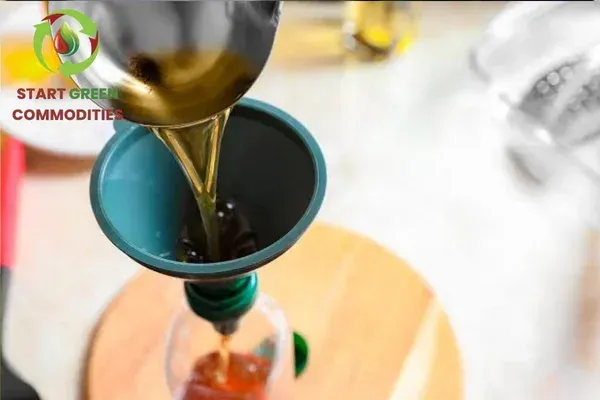
It's easy to think of used cooking oil the same way you think of any other kitchen waste something you get rid of and stop thinking about. But oil doesn't behave like food scraps or packaging. It doesn't wash away, it doesn't break down quickly, and it doesn't simply vanish once it leaves your fryer.
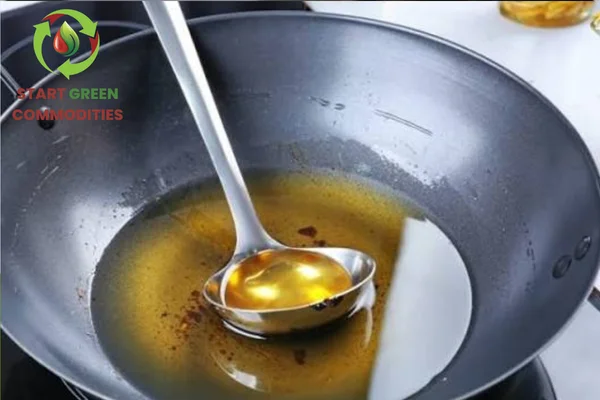
Poured down a drain, it cools and solidifies inside pipes. Left in the trash, it leaks and creates mess long after it's out of your kitchen. Stored improperly, it sits as a fire risk and a pest magnet. In other words, oil that isn't handled through a proper recycling process doesn't just disappear it becomes somebody else's problem, whether that's your plumbing, your local sewer system, or a landfill that didn't need another liquid waste stream to manage.
Recycling changes that story entirely. Instead of becoming a problem down the line, that same oil gets collected, processed, and turned into something genuinely useful most commonly biodiesel, a renewable fuel that displaces petroleum-based diesel. The oil doesn't disappear either way. The only question is whether it becomes a liability or a resource.
This is really the core distinction worth sitting with. Every restaurant is already going to produce this oil as a byproduct of frying. That part isn't a choice. What is a choice is what happens to it next and that choice determines whether your kitchen ends up dealing with a plumbing emergency six months from now, or whether that same oil quietly becomes fuel for a delivery truck somewhere down the line.
It Protects Your Kitchen From Problems You Don't Want to Deal With
Every restaurant owner has a mental list of headaches they'd rather avoid the emergency plumbing call at 9 p.m. on a Friday, the surprise fine after a health inspection, the awkward conversation with a fire marshal about storage practices. Improper oil disposal is quietly responsible for a lot of these headaches, more than most owners connect back to the source.
Restaurant oil recycling removes this risk almost entirely. Oil that's collected on a proper schedule never has the chance to clog a drain, overflow a container, or sit improperly stored long enough to become a fire hazard. It's one of the rare operational fixes that eliminates several different risks at once, simply by replacing a bad habit with a better one.
Compare that to most operational improvements a restaurant might consider, which usually solve one problem at a time and often require real investment to pull off. Oil recycling is unusual in that it addresses plumbing risk, compliance risk, and fire risk simultaneously, through a single, relatively simple system change.
Compliance Isn't Optional And Recycling Makes It Simple
Most cities and counties, especially across California, have specific regulations around how commercial kitchens handle fats, oils, and grease. These rules exist because improperly disposed oil is one of the leading causes of sewer backups and water contamination incidents tied to restaurants.
If there is no proper oil recycling system in place at a restaurant, it's truly an operating restaurant with real compliance exposure, regardless of whether it has actually caused a problem so far. Inspections happen. Regulations get enforced. And restaurants without documentation to show how their oil is being handled are the ones most likely to face fines or increased scrutiny going forward, often at the exact moment they can least afford the disruption.
Working with a licensed used cooking oil recycling provider solves this cleanly. Pickups come with documentation. Your kitchen has a clear, demonstrable process. If an inspector asks how you handle FOG waste, you have a real answer not a vague explanation of whatever staff happen to be doing that week.
This matters more than owners sometimes realize during a busy stretch of service. An inspection isn't the moment to be figuring out your documentation for the first time. Restaurants that already have a consistent recycling process in place walk into that conversation with confidence, rather than scrambling to explain a system that's never actually been formalized.
Recycling Turns a Cost Into a Manageable, Predictable Line Item
Every restaurant deals with waste-related costs in some form. The difference is whether those costs are predictable or whether they show up unexpectedly as emergency repairs, fines, or wasted staff time.
A formal oil recycling program replaces unpredictable, reactive spending with a modest, consistent service cost. Instead of an occasional expensive plumbing emergency, you have a scheduled pickup fee you can plan around. Instead of a surprise fine, you have documented compliance. Some restaurants producing higher volumes of oil may even receive compensation for their supply, turning what used to be viewed purely as a cost into something with actual return.
No one individual moment is dramatic, but this is the kind of operational change that takes place over time. Predictable costs are easier to manage than unpredictable ones and recycling is what makes oil disposal predictable in the first place.
It's a similar logic to why most restaurants prefer a fixed-rate lease over one with unpredictable rent increases. Certainty has real value in restaurant operations, where margins are already tight and surprises are rarely good news. A recycling program trades an unknown future expense for a known, budgetable one.
Sustainable Restaurants Are Becoming the Expectation, Not the Exception
Customer expectations have shifted meaningfully over the past several years. Diners increasingly notice and care when a restaurant demonstrates real, tangible sustainability practices, rather than vague marketing language with nothing behind it.
Sustainable restaurants don't need a complicated environmental program to earn that reputation. Something as concrete as a documented oil recycling process is exactly the kind of specific, verifiable practice that resonates with customers who are paying closer attention to where their food and its waste actually goes. It's also something you can talk about honestly, without overstating your restaurant's environmental efforts, because it's genuinely happening in the background of your kitchen every week.
This distinction matters more than it might seem. Vague sustainability claims tend to invite skepticism, especially from customers who've grown accustomed to marketing language that doesn't hold up under scrutiny. A specific, factual claim "we recycle 100% of our used cooking oil" is harder to dismiss and easier to trust, precisely because it's concrete enough to be verified rather than taken purely on faith.
We've gone deeper into what a complete oil recycling program looks like in our full guide on <a href=" target="_blank" rel="noopener">used cooking oil recycling for restaurants</a>, which walks through the process from collection through documentation in more detail than we'll cover here.
The Environmental Case Is Straightforward, Not Abstract
Sometimes sustainability arguments feel abstract hard to connect to something a restaurant owner can actually see or measure. Oil recycling isn't one of those cases. It's about as direct and tangible as environmental impact gets.
Every gallon of used cooking oil that gets properly recycled is a gallon that isn't poured down a drain, contributing to sewer strain and water contamination. It's a gallon that becomes renewable fuel instead of landfill waste. And it's a gallon that displaces a small amount of petroleum-based diesel that would otherwise be burned instead. None of this requires faith in an abstract, hard-to-verify claim it's a straightforward, physical transformation that happens every time your oil gets picked up.
Multiply that across a full year of consistent service, and the numbers add up to something genuinely meaningful, even for a single mid-sized kitchen. Now multiply that across every restaurant in a city that adopts the same practice, and the collective impact becomes significant which is exactly why so many local water agencies actively encourage restaurants to formalize their oil recycling habits in the first place.
What Happens If You Don't Recycle
It's worth spending a moment on the other side of this equation what actually happens if a restaurant skips proper oil recycling altogether, since the contrast makes the case even clearer.
Oil poured down drains solidifies and narrows pipes, eventually causing clogs and backups that require expensive emergency plumbing work. Oil mixed into regular trash leaks and creates mess for whoever handles that waste afterward, while also sending a genuinely recyclable resource straight to a landfill. Oil stored improperly in unsealed containers, near heat sources becomes a fire hazard and a pest problem. And a kitchen without documentation for any of this is exposed the moment a health inspector asks the wrong question at the wrong time.
None of these outcomes are hypothetical. They're the predictable result of treating oil disposal as an afterthought instead of a formal process and they're also entirely avoidable with a proper recycling system in place.
It's worth being direct about this: restaurants that skip proper recycling aren't actually saving money or effort in any real sense. They're just deferring the cost and the effort to a later date, usually in a less predictable and more expensive form. A clogged drain doesn't wait for a convenient week. A fine doesn't arrive with advance notice. The "savings" from skipping recycling are an illusion that eventually catches up with almost every kitchen that relies on it.
Setting Up Recycling Doesn't Require a Big Lift
One of the more persistent misconceptions holding restaurants back is the assumption that setting up a proper recycling system requires significant time, cost, or operational disruption. In reality, it's one of the simpler operational changes a restaurant can make.
A provider typically drops off sealed, appropriately sized containers based on your kitchen's volume. Staff pour spent oil into them as part of the normal closing routine a habit that takes almost no time to build once it's established. Pickups happen on a set schedule, and documentation accumulates automatically with each visit. There's no retraining overhaul, no new equipment investment, and no disruption to how your kitchen already operates day to day.
Most restaurants that make this change are surprised by how quickly it becomes second nature. Within a few weeks, staff aren't even thinking about it as a "new process" anymore it's just how the kitchen closes down, the same way taking out the trash or wiping down the line has always been part of the routine.
For additional context on how proper collection and recycling systems work across different kitchen types and regional markets, resources like <a href=" target="_blank" rel="noopener">NW Grease</a> offer a useful outside perspective worth reviewing as you think through what setup looks like for your own restaurant.
Getting Staff on Board Without a Big Announcement
One underrated reason recycling programs succeed or fail comes down to how naturally they fit into a kitchen's existing rhythm. The restaurants that struggle usually try to introduce oil recycling as a big, formal initiative a meeting, a memo, a poster on the wall which can make it feel like extra work rather than a simple habit shift.
The restaurants that succeed tend to do the opposite. They fold the new container into the existing closing checklist, show new hires the process during normal onboarding, and treat it as just another routine kitchen task rather than a special program. Within a few weeks, staff aren't thinking of it as "the recycling thing" anymore it's simply part of how the kitchen closes down each night, the same as wiping counters or restocking for the next shift. That quiet, low-friction adoption is often the real difference between a recycling program that sticks and one that fades out after the first month.
The Case, Summarized
Pulling everything together, the argument for recycling used cooking oil comes down to a fairly simple point: it replaces a set of avoidable risks plumbing damage, compliance exposure, fire hazards, unpredictable costs with one small, manageable system. It doesn't require reinventing your kitchen, changing your menu, or making a significant financial investment. It just requires treating a byproduct you're already producing as something worth managing properly, rather than something to deal with only when it becomes a problem.
That's really the whole idea behind this post, restated one more time: recycling your used cooking oil isn't an optional extra for restaurants that happen to care about sustainability. It's a practical, low-effort decision that protects your kitchen, your compliance standing, and your reputation while genuinely reducing your restaurant's environmental footprint in a way you can actually see and measure. Every argument above, whether it's about compliance, cost, risk, or reputation, ultimately points back to the same conclusion from a different direction.
Final Thoughts
Every restaurant produces used cooking oil. That part isn't optional it's simply a byproduct of frying food. What is optional is whether that oil becomes a liability sitting in the back of your kitchen, or a resource properly captured and given a second life. The restaurants that treat this as a formal, consistent practice avoid the plumbing emergencies, the compliance fines, and the fire risks that come with treating it as an afterthought and they build a genuine, defensible sustainability story in the process. If your kitchen hasn't formalized its oil recycling process yet, there's no real reason to wait. The oil is being produced either way, every single service, whether or not a system exists to capture it properly and the case for putting one in place, at this point, speaks for itself.