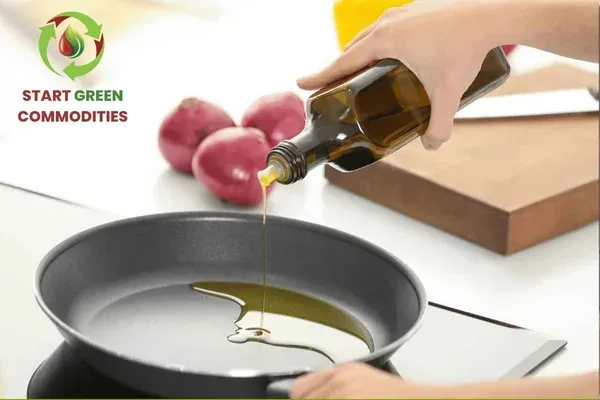
Top Mistakes Restaurants Make When Storing Used Oil
Introduction:
Before diving into the mistakes, it’s important to understand why used oil storage is such a critical issue.
When handled correctly, used cooking oil becomes a valuable resource for Restaurant Cooking Oil Recycling, renewable fuels, and sustainable manufacturing. When handled poorly, it becomes a liability.
Improper storage can cause:
Grease blockages and plumbing backups
Pest infestations
Slip-and-fall hazards
Environmental contamination
Fines from local authorities
Missed recycling opportunities
That’s why used cooking oil collection isn’t just about pickup it starts with how oil is stored from day one.
Mistake #1: Pouring Used Oil Into Improper Containers
One of the most common and dangerous mistakes restaurants make is using improper containers to store used oil.
Common examples include:
Open buckets
Old plastic bins
Trash cans
Unlabeled drums
These containers are not designed to handle hot oil, large volumes, or long-term storage.
Why this is a problem:
Oil leaks and spills easily
Containers crack or warp
Increased fire and slip hazards
Health code violations
A professional waste cooking oil collection service provides sealed, purpose-built containers that are safe, durable, and compliant with regulations.
Mistake #2: Leaving Oil Containers Uncovered or Unlocked
Leaving used oil containers open or unlocked is an open invitation to trouble.
What goes wrong:
Rainwater contaminates oil
Trash and debris mix in
Pests are attracted
Oil thieves steal valuable product
Oil theft is a growing issue, especially in California, where recycled oil has real market value. Stolen oil often ends up improperly dumped, creating environmental damage that can still be traced back to the restaurant.
Secure, locked containers protect both your business and the recycling chain.
Mistake #3: Storing Oil Too Close to Drains or Stormwater Areas
Many restaurants place oil containers near back-of-house drains for convenience. Unfortunately, this is a major compliance risk.
Why it’s dangerous:
Even small spills can enter storm drains
Oil contamination can reach waterways
Fines can be severe
Cleanup costs escalate quickly
Local municipalities take stormwater contamination very seriously. Proper placement of oil containers away from drains and runoff areas is a simple but often overlooked step.
Mistake #4: Overfilling Used Oil Containers
Overfilled containers are accidents waiting to happen.
Common causes:
Delayed pickup schedules
Underestimating oil usage
No volume monitoring
When containers overflow:
Oil spills onto pavement
Staff are exposed to burn risks
Cleanup becomes costly
Recycling quality drops
Reliable used cooking oil collection services schedule pickups based on volume, preventing overflows and maintaining a clean storage area.
Mistake #5: Mixing Water, Food Waste, or Chemicals With Used Oil
Not all used oil is created equal and contamination ruins its value.
Common contaminants include:
Water from cleaning
Food scraps
Cleaning chemicals
Grease trap waste
Contaminated oil:
Cannot be efficiently recycled
Increases processing costs
May be rejected by recyclers
To be a successful Restaurant Cooking Oil Recycling, the oil should be stored as clean and as dry as it can be.
Mistake #6: Not Training Staff on Proper Oil Handling
Even the best systems fail without proper training.
Many restaurants assume staff “just know” how to handle used oil but that’s rarely the case.
Training gaps often lead to:
Spills during oil transfer
Incorrect container use
Unsafe handling of hot oil
Improper disposal practices
A short, clear training process ensures that everyone from line cooks to closing staff knows how to safely manage used oil.
Mistake #7: Ignoring Grease Trap Health
Used oil storage and grease trap performance are closely connected.
When oil is mishandled, it often ends up:
Poured down drains
Washed into grease traps
Causing blockages and odors
Neglecting grease traps can lead to backups, foul smells, and emergency service calls all avoidable with proper oil storage.
Mistake #8: Choosing the Wrong Collection Partner
Not all collectors operate at the same standards.
Some warning signs include:
Missed pickups
No documentation
Poor container quality
Lack of licensing
A trusted waste cooking oil collection service ensures compliance, consistency, and environmental responsibility.
Working with reputable industry partners such as those involved in nationwide recycling networks like Kernuco helps maintain quality across the entire recycling process.
Mistake #9: Treating Used Oil as “Trash” Instead of a Resource
Many restaurants still view used oil as a disposal problem rather than a recyclable asset.
This mindset leads to:
Poor storage habits
Missed sustainability opportunities
Higher long-term costs
In reality, used oil is a key component of renewable energy and industrial reuse. Proper storage preserves its value and supports a circular economy.
Mistake #10: Skipping Documentation and Record-Keeping
In California, documentation matters.
Failing to track:
Pickup dates
Volume collected
Service providers
…can cause problems during inspections or audits.
Professional services provide records that support compliance, sustainability reporting, and operational transparency.
The Environmental Impact of Poor Oil Storage
Improperly stored oil doesn’t just affect your restaurant it affects the entire community.
Consequences include:
Sewer blockages
Water pollution
Increased municipal costs
Greenhouse gas emissions
Responsible Restaurant Cooking Oil Recycling reduces these impacts while supporting cleaner fuel alternatives.
How Proper Storage Improves Restaurant Operations
Good oil storage practices lead to:
Cleaner kitchens
Safer work environments
Fewer emergency repairs
Better inspection outcomes
Stronger sustainability reputation
It’s a small operational detail with big downstream benefits.
Best Practices for Used Cooking Oil Storage
To avoid common mistakes, restaurants should:
Use sealed, approved containers
Keep containers locked and labeled
Store oil away from drains
Schedule regular pickups
Train staff consistently
Partner with licensed collectors
These steps create a smooth, compliant recycling process from start to finish.
Why Professional Used Cooking Oil Collection Makes the Difference
A professional used cooking oil collection partner doesn’t just remove oil they help manage the entire lifecycle.
Benefits include:
Consistent pickup schedules
Safe storage solutions
Compliance support
Cleaner facilities
Higher recycling efficiency
This partnership protects your business while contributing to California’s sustainability goals.
Supporting Sustainability Through Smart Oil Storage
Consumers are more concerned than ever with the issue of environmentally responsible business.
By managing oil properly, restaurants:
Reduce environmental harm
Support renewable energy
Strengthen brand trust
Align with green initiatives
Sustainability starts in the kitchen and storage is the first step.
Final Thoughts: Small Mistakes, Big Consequences
Storing used oil may seem like a minor operational task, but the consequences of getting it wrong are anything but small. From regulatory fines to environmental damage, poor oil storage puts restaurants at unnecessary risk.
By avoiding these common mistakes and working with a reliable waste cooking oil collection service, restaurants can protect their operations, support Restaurant Cooking Oil Recycling, and turn waste into value.
When used oil is stored properly, everyone wins the restaurant, the community, and the environment.