What Restaurants Should Know About Grease Trap Waste vs. Used Oil
Table of Contents
What Is Grease Trap Waste?
What Is Used Cooking Oil?
Why Restaurants MUST Separate Grease Trap Waste & Used Oil
Environmental & Legal Impacts
Best Practices for Managing Each Type of Waste
Choosing the Right Waste Cooking Oil Collection Service
How to Prevent Fines, Odors, Backups & Plumbing Disasters
What to Look for When Searching “Oil Recycling Near Me”
Internal & External Resources
Final Humanized Snippet
Introduction: Why This Difference Matters More Than Ever
If you run a restaurant, food truck, cafe, commissary kitchen, or any commercial cooking space, then you’re dealing with two very different types of waste every single day:
1. Grease trap waste
2. Used cooking oil (UCO)
They look similar from a distance both involve fats, oils, or grease (FOG) but handling them the wrong way can lead to:
Thousand-dollar fines
Plumbing emergencies
Sewage backflows
Fire hazards
Environmental violations
Loss of business permits
And here’s the kicker:
Most restaurant owners don’t know the difference until a disaster happens.
So today, we’re going deep.
This guide breaks down everything restaurants should understand about grease trap waste vs. used cooking oil, how to manage each responsibly, and how to choose the best waste cooking oil collection service near you.
This is not your average fluffy article this is your 2026 Ultimate Restaurant Waste Management Bible.
What Is Grease Trap Waste? (AKA the Stuff You Do NOT Want in Your Drains)
A grease trap is a device installed under sinks or in ground tanks to capture fats, oils, and grease BEFORE they enter the city sewer system.
But here’s what many food businesses don’t realize:
Grease trap waste is a dirty mixture of:
Fats & grease skimmed off sinks
Food particles
Soap scum
Water
Organic sludge
Wastewater contaminants
This is not recyclable.
It’s not “oil” in the way most people imagine.
It’s hazardous organic waste that produces:
Toxic odors
Methane gas
Thick sludge buildup
Bacteria growth
Sewer blockage risk
Why do cities require grease traps?
Because many restaurants used to pour fats down the drain and city pipes turned into cement blocks of grease.
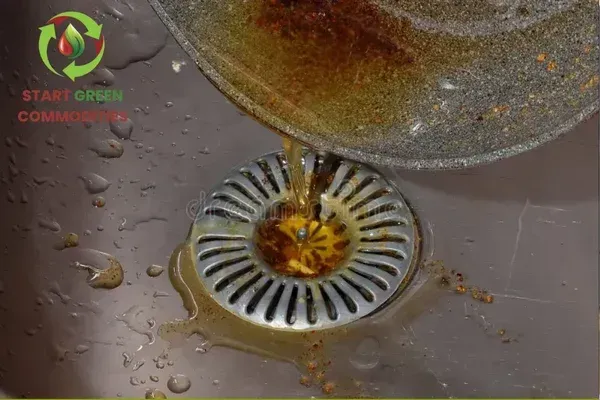
If grease trap waste enters the plumbing system, it can cause:
Sewer backups into your kitchen
Neighboring businesses flooding
Expensive city cleanups
Legal violations under FOG ordinances
Municipalities take this extremely seriously.
That’s why regular pump-outs and certified disposal are mandatory.
What Is Used Cooking Oil? (The Valuable Commodity in Your Kitchen)
Used cooking oil (UCO) unlike grease trap waste is cleaner, contained, and highly recyclable.
It comes from:
Fryers
Deep fryers
Flat-top grills
Commercial cooking equipment
Used cooking oil is recyclable and valuable.
It is used to produce:
Biodiesel
Renewable diesel
Sustainable aviation fuel (SAF)
Animal feed additives
Industrial lubricants
Bio-based plastics
That means your used cooking oil is not “waste.”
It’s a resource with market value.
This is also why restaurants work with used cooking oil collection companies to:
Provide free grease bins
Pick up oil on schedule
Recycle it into renewable energy
Good collectors even pay you for your oil depending on market conditions.
Grease Trap Waste vs. Used Cooking Oil The Real Difference
If you mix them together it becomes waste and cannot be recycled.
That means:
Lost revenue
Environmental violations
Extra fees
So the separation is not optional it’s essential.
Why Restaurants MUST Separate Grease Trap Waste & Used Cooking Oil
1. It’s the Law
Most cities require proper FOG (fat, oil, grease) management.
Grease trap waste must go to a permitted disposal facility.
Used cooking oil must go to a licensed recycler.
2. Violations Lead to Expensive Fines
Restaurants report fines between $1,000 and $10,000 for:
Overflowing traps
Missing pump-out logs
Dumping oil into dumpsters
Pouring oil down drains
Using unlicensed collectors
3. Plumbing Backups Can Shut Down Kitchens
The most common cause of grease-related closures?
Clogged grease traps.
When too much sludge builds up:
Dirty water pushes back into the sink
Pipes become blocked
Sewer lines overflow
This leads to emergency plumbing bills that start at $900 and can exceed $5000.
4. Used Oil Thieves Target Full Bins
Yes it’s a thing.
Used cooking oil has become so valuable that people steal it at night.
5. Mixed Waste Cannot Be Recycled
If grease trap waste enters your oil bin, recyclers reject it.
That means:
You lose rebates
You pay contamination fees
You need an emergency bin replacement
Environmental & Legal Impacts (What Most Owners Don’t Realize)
Grease Trap Waste Causes Environmental Harm
If not disposed properly, it can:
Contaminate water
Cause sewer spills
Harm wildlife
Block storm drains
Used Cooking Oil is an Eco-Friendly Fuel Source
Recycling UCO helps reduce:
Carbon emissions
Fossil fuel dependency
Landfill waste
This is why governments push for UCO recycling incentives.
Best Practices for Managing Grease Trap Waste (Restaurant Checklist)
Here’s what the top-performing restaurants do:
1. Follow a strict pump-out schedule
Most restaurants need service every 30–90 days, depending on volume.
2. Maintain a pump-out log
Inspectors always ask for it.
3. Train staff on what NOT to put in sinks
Examples:
Food scraps
Coffee grounds
Flour
Rice
Grease
4. Install mesh sink strainers
Cheap but effective.
5. Work with a licensed grease trap cleaning company
Unlicensed haulers dump illegally you get fined.
Best Practices for Managing Used Cooking Oil
1. Use a sealed outdoor oil bin
Avoid open containers or drums.
2. Never pour water or food scraps into your oil bin
Contamination kills recyclability.
3. Handle hot oil safely
Let oil cool before transferring it.
4. Choose a dependable used cooking oil collection service
Look for:
Clean bins
Fast pickup times
Recycling documentation
Theft-resistant locks
5. Keep the area around the oil bin clean
Spills attract rodents, pests, and fines.
How to Choose the Right Waste Cooking Oil Collection Service
Selecting the wrong partner can cost you time, money, and legal headaches.
Here’s what to look for:
1. Licensed and insured professionals
Avoid back-door collectors.
2. Transparent pricing or rebates
You should know exactly what your oil is worth.
3. Regular scheduled pickups
Consistency = safety + compliance.
4. Theft-proof bins
Modern locking systems prevent nighttime theft.
5. Spill-free equipment
Modern suction trucks prevent site messes.
6. Strong reputation and customer service
Check online reviews and response times.
7. Documentation for every pickup
You need official logs during inspections.
Searching “Oil Recycling Near Me”? What to Expect
When restaurants search oil recycling near me, they’re usually looking for:
Fast pickup
Bin replacement
Reliable service
Eco-friendly recycling
Licensed collectors
Emergency cleanup services
The top providers offer:
24/7 customer support
Online service requests
Volume-based rebates
Integrated grease trap cleaning + UCO collection
This all-in-one model saves restaurants time and reduces risk.
Final Humanized Snippet
Running a restaurant is hard enough but managing grease trap waste and used cooking oil doesn’t have to be complicated or overwhelming. Once you understand the difference, build simple routines, and partner with a reliable waste cooking oil collection service, your kitchen runs cleaner, your plumbing stays clear, and your business stays compliant. Think of it as one of the easiest long-term wins for your restaurant’s sustainability, safety, and profitability.