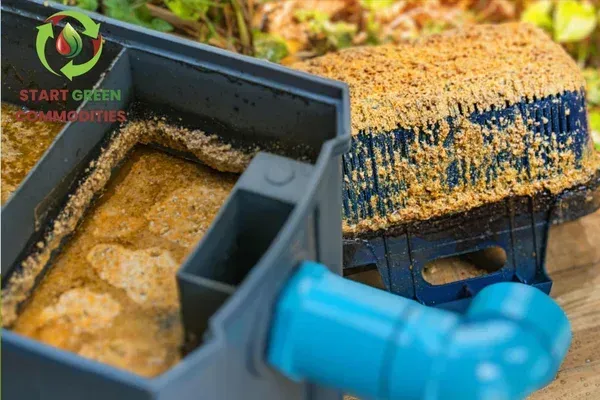
Restaurant Waste Management Checklist for California Kitchens
The Complete Guide to Used Cooking Oil Recycling, Used Cooking Oil Collection, and Grease Trap Maintenance
Running a restaurant in California comes with unique responsibilities. Beyond serving exceptional food and creating memorable dining experiences, restaurant owners must comply with some of the nation's strictest environmental and waste management regulations. From food waste diversion laws to grease disposal requirements, California kitchens are expected to maintain high standards of cleanliness, sustainability, and compliance.
A well-organized waste management strategy isn't just about avoiding fines. It helps reduce operational costs, protects plumbing systems, improves workplace safety, and demonstrates environmental responsibility to customers who increasingly value sustainable business practices.
One of the most important components of any restaurant waste program is used cooking oil recycling. Combined with proper used cooking oil collection and consistent grease trap maintenance, restaurants can significantly improve efficiency while supporting California's environmental goals.
This comprehensive checklist serves as a practical guide for restaurant owners, kitchen managers, and food service operators who want to create a cleaner, safer, and more compliant kitchen operation.
Why Restaurant Waste Management Matters in California
California has a long history of being a leader in environmental protection and sustainability efforts. Restaurants generate several types of waste every day, including:
Food scraps
Packaging materials
Cardboard and paper products
Plastic containers
Grease and fats
Used cooking oil
Without proper management, these waste streams can create significant environmental and operational challenges.
Effective waste management helps restaurants:
Meet state and local regulations
Reduce disposal costs
Prevent plumbing problems
Improve kitchen hygiene
Support sustainability initiatives
Enhance brand reputation
Reduce environmental impact
For California restaurants, waste management is no longer optional it's an essential part of doing business.
The Ultimate Restaurant Waste Management Checklist
1. Establish a Written Waste Management Plan
Every restaurant should begin with a documented waste management plan.
This plan should include:
Waste handling procedures
Employee responsibilities
Recycling protocols
Oil collection schedules
Grease trap cleaning schedules
Emergency spill procedures
Having a written system ensures consistency and accountability across all shifts.
Benefits
Improved employee training
Easier compliance inspections
Better operational efficiency
Reduced waste-related incidents
2. Implement Used Cooking Oil Recycling Programs
One of the most important checklist items is establishing a reliable used cooking oil recycling program.
Commercial kitchens produce significant amounts of waste oil from:
Fryers
Griddles
Deep-frying stations
Food preparation equipment
Improper disposal can lead to environmental contamination and costly plumbing issues.
Instead, restaurants should partner with certified recycling providers that collect and repurpose waste oil into renewable products such as biodiesel.
Why Used Cooking Oil Recycling Matters
Benefits include:
Reduced environmental impact
Compliance with disposal regulations
Lower drain maintenance costs
Improved kitchen safety
Sustainable business practices
Modern recycling programs transform waste into valuable resources rather than sending it to landfills.
3. Schedule Regular Used Cooking Oil Collection
Even the best recycling program is ineffective without consistent used cooking oil collection.
Restaurants should establish pickup schedules based on:
Kitchen Volume
High-volume kitchens may require weekly pickups.
Storage Capacity
Larger storage tanks may support less frequent collections.
Menu Type
Restaurants specializing in fried foods typically generate more oil waste.
Seasonal Demand
Busy periods often increase waste oil production.
Collection Best Practices
Never allow storage containers to overflow
Monitor fill levels regularly
Keep collection areas clean
Maintain pickup records
Work only with licensed collection providers
A proactive collection schedule prevents spills, odors, and compliance issues.
4. Inspect Oil Storage Containers Weekly
Oil storage systems should be inspected routinely.
Check for:
Leaks
Cracks
Corrosion
Loose fittings
Overflow risks
Routine inspections help identify problems before they become costly emergencies.
Warning Signs
Immediate attention is required if you notice:
Strong odors
Oil stains
Excessive residue
Damaged lids
Standing liquids around containers
Proper storage protects both employees and the environment.
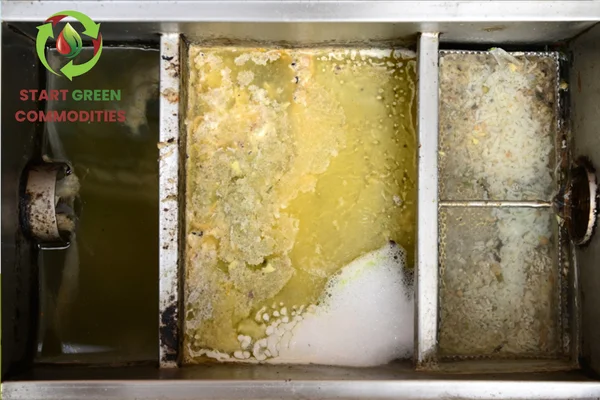
5. Prioritize Grease Trap Maintenance
One of the most overlooked aspects of restaurant waste management is grease trap maintenance.
Grease traps prevent fats, oils, and grease (FOG) from entering sewer systems.
Without proper maintenance, restaurants may experience:
Drain backups
Plumbing failures
Health code violations
Foul odors
Expensive repairs
Recommended Cleaning Frequency
Most restaurants should schedule grease trap cleaning:
Monthly
Quarterly
More frequently for high-volume operations
The ideal schedule depends on kitchen activity levels.
Benefits of Regular Grease Trap Maintenance
Improved drainage
Reduced emergency repairs
Better sanitation
Compliance with local regulations
Longer equipment lifespan
Grease traps are a frontline defense against costly plumbing disasters.
6. Train Employees on Proper Waste Handling
Even the best waste management plan fails without employee participation.
Staff should receive training on:
Oil Handling Procedures
Safe storage and transfer methods.
Recycling Practices
Proper waste separation and disposal.
Spill Response
Emergency cleanup procedures.
Grease Trap Awareness
Preventing grease from entering drains unnecessarily.
Regular training reduces mistakes and improves compliance.
7. Separate Waste Streams Properly
Successful waste management requires clear separation of materials.
Create designated areas for:
Food waste
Recyclables
Cardboard
Plastic
Glass
Used cooking oil
General trash
Color-coded containers can simplify waste sorting.
Advantages
Increased recycling rates
Reduced contamination
Lower disposal costs
Easier compliance reporting
Proper segregation creates a more efficient waste management system.
8. Monitor Food Waste Generation
Food waste often represents a significant percentage of restaurant waste.
Track:
Spoilage
Preparation waste
Plate waste
Inventory losses
Identifying waste patterns helps restaurants improve profitability.
Reduction Strategies
Better inventory management
Portion control
Menu optimization
Staff education
Reducing food waste supports both environmental and financial goals.
9. Maintain Accurate Records
Documentation is essential for compliance and operational oversight.
Keep records of:
Oil collection dates
Recycling receipts
Grease trap cleaning services
Waste audits
Employee training sessions
Well-maintained records simplify inspections and support sustainability reporting.
10. Conduct Monthly Waste Audits
A waste audit helps identify opportunities for improvement.
Evaluate:
Waste volumes
Recycling rates
Collection schedules
Food waste trends
Equipment performance
Regular audits often reveal cost-saving opportunities.
Questions to Ask
Are recycling bins being used properly?
Is oil storage adequate?
Are pickups frequent enough?
Is grease trap performance satisfactory?
Continuous improvement should be a core objective.
11. Prevent Drain Blockages
Drain maintenance should be part of every waste management checklist.
Avoid disposing of:
Grease
Oil
Food scraps
Fat residues
Install drain screens and educate employees on proper disposal practices.
Benefits
Reduced plumbing repairs
Lower maintenance expenses
Improved sanitation
Fewer operational disruptions
Prevention is far less expensive than emergency plumbing work.
12. Partner with Experienced Industry Professionals
The right waste management partner can make a significant difference.
Look for providers offering:
Reliable pickup schedules
Regulatory knowledge
Recycling expertise
Responsive customer support
Transparent reporting
Working with specialists allows restaurant operators to focus on serving customers while maintaining compliance.
For additional guidance on sustainable kitchen operations and environmental best practices, restaurant owners can learn more about used cooking oil recycling through this helpful resource.
Restaurants seeking professional industry solutions can also explore the services and educational resources available from NW Grease, a company recognized for supporting commercial kitchens with grease management and oil recycling programs through their website at NW Grease.
Common Waste Management Mistakes California Restaurants Should Avoid
Even experienced operators occasionally make mistakes.
Infrequent Oil Collection
Overflowing containers create environmental and safety risks.
Ignoring Grease Traps
Neglected grease traps often lead to costly repairs.
Poor Employee Training
Improper handling increases compliance risks.
Mixing Waste Streams
Contaminated recycling materials reduce sustainability effectiveness.
Lack of Documentation
Missing records can create challenges during inspections.
Avoiding these mistakes helps maintain a compliant and efficient operation.
Sustainability Benefits of Proper Restaurant Waste Management
California consumers increasingly support environmentally responsible businesses.
Strong waste management practices help restaurants:
Reduce landfill contributions
Support renewable energy production
Lower carbon footprints
Improve community reputation
Strengthen sustainability initiatives
When waste oil is recycled instead of discarded improperly, it becomes part of a circular economy that benefits businesses and communities alike.
The Future of Restaurant Waste Management in California
Environmental regulations continue to evolve.
Restaurants that invest in proactive waste management today will be better positioned for future requirements.
Emerging trends include:
Advanced recycling technologies
Smart oil monitoring systems
Automated collection scheduling
Sustainability reporting platforms
Increased renewable fuel production
Businesses that embrace these innovations can improve efficiency while strengthening environmental performance.
Final Thoughts
California restaurants face growing expectations when it comes to environmental responsibility, regulatory compliance, and operational efficiency. A structured waste management program is no longer just a best practice it is an essential part of running a successful food service operation.
By prioritizing used cooking oil recycling, implementing reliable used cooking oil collection, and maintaining a consistent grease trap maintenance schedule, restaurants can reduce risks, lower costs, and support sustainability goals simultaneously.
Use this checklist as a foundation for building a cleaner, safer, and more efficient kitchen. With the right systems, training, and professional support in place, California restaurants can transform waste management from a challenge into a competitive advantage while contributing to a greener future.