How Restaurants Can Build a Zero-Waste Kitchen with Used Cooking Oil Recycling
Introduction:
The restaurant industry generates massive amounts of waste every single day. From leftover food scraps to packaging materials and cooking grease, commercial kitchens often struggle to balance profitability with sustainability. As environmental concerns continue to rise, more restaurant owners are searching for practical ways to reduce waste, lower operating costs, and improve their brand reputation.
One of the most effective ways to achieve this goal is through used cooking oil recycling. By implementing sustainable waste management practices, restaurants can move closer to building a true zero-waste kitchen while improving operational efficiency at the same time.
Modern consumers care deeply about sustainability. Diners are increasingly supporting restaurants that take eco-friendly initiatives seriously. A restaurant that actively participates in grease recycling, proper waste disposal, and responsible kitchen operations gains a competitive advantage in today’s market.
In this guide, we’ll explore how restaurants can create a zero-waste kitchen through smart recycling systems, effective grease trap cleaning, proper grease trap maintenance, and sustainable oil disposal strategies.
For businesses looking to understand the basics of oil recycling, this detailed guide on used cooking oil recycling offers valuable insights into sustainable kitchen waste solutions.
What Is a Zero-Waste Kitchen?
A zero-waste kitchen is a restaurant operation designed to minimize waste sent to landfills. The goal is to reuse, recycle, compost, or repurpose as much material as possible.
In commercial kitchens, waste generally falls into several categories:
Food waste
Packaging waste
Plastic waste
Wastewater contamination
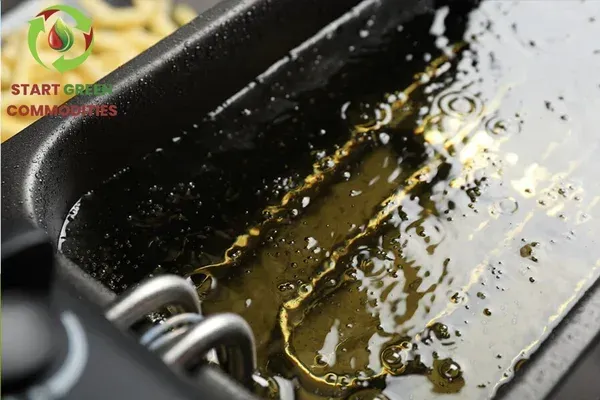
Cooking grease and oil waste
Among these, used cooking oil is often overlooked despite being one of the largest sources of kitchen waste and plumbing problems.
Improper oil disposal can lead to:
Clogged drainage systems
Expensive plumbing repairs
Environmental pollution
Sewer blockages
Health code violations
Increased maintenance costs
This is why restaurants that prioritize used cooking oil recycling can dramatically reduce their environmental impact while also saving money.
Why Used Cooking Oil Recycling Matters
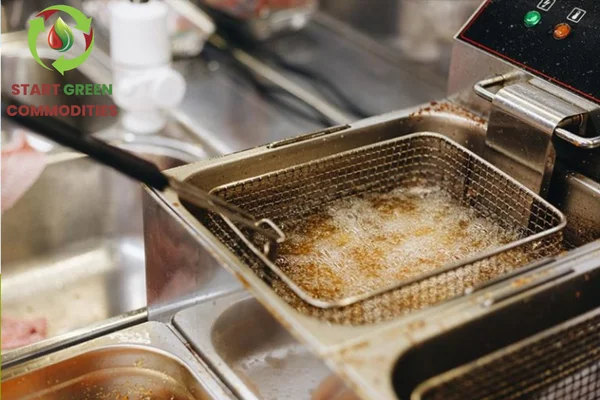
Commercial kitchens use large amounts of frying oil daily. Restaurants, fast-food chains, hotels, cafeterias, and catering businesses often dispose of gallons of oil every week.
When cooking oil is poured down drains, it hardens inside pipes and causes severe blockages. Over time, this buildup damages plumbing systems and municipal sewer lines.
Recycling used cooking oil offers several major benefits:
Environmental Protection
Recycled cooking oil can be converted into biodiesel, renewable energy, animal feed additives, and industrial products. This helps to minimize landfill waste and greenhouse gas emissions.
Reduced Plumbing Issues
Proper oil collection prevents grease accumulation in pipes, minimizing costly plumbing emergencies.
Better Compliance
Many local authorities require restaurants to follow proper oil disposal regulations. Recycling helps businesses remain compliant with environmental standards.
Improved Brand Reputation
Consumers are increasingly looking at sustainability when making their purchases. Restaurants that adopt eco-friendly practices attract environmentally conscious customers.
Cost Savings
Efficient waste management systems reduce emergency maintenance costs and improve kitchen efficiency.
Restaurants aiming to create sustainable kitchens should work with professional recycling providers like NW Grease that specialize in responsible grease collection and waste management solutions.
The Role of Grease Trap Cleaning in a Zero-Waste Kitchen
A grease trap is a plumbing fixture that captures fats, oils and grease before they go down the wastewater system.
Without regular grease trap cleaning, restaurants face serious operational problems.
Common Problems Caused by Dirty Grease Traps
Foul Odors
Accumulated grease creates unpleasant kitchen smells that can affect customer experience.
Slow Drainage
Blocked grease traps reduce water flow and disrupt kitchen operations.
Sewer Backups
Overflowing grease traps can lead to contaminated wastewater backups.
Health Violations
Dirty grease systems may violate local health and sanitation regulations.
Increased Pest Activity
Grease buildup attracts insects and rodents.
Routine grease trap cleaning is essential for restaurants seeking a sustainable and hygienic kitchen environment.
Why Grease Trap Maintenance Is Essential
While grease trap cleaning removes accumulated waste, grease trap maintenance focuses on keeping the entire system functioning properly over time.
Restaurants often make the mistake of cleaning grease traps only after problems appear. Preventive maintenance is a smarter and more cost-effective approach.
Benefits of Regular Grease Trap Maintenance
Extends Equipment Lifespan
Routine inspections help identify issues before major failures occur.
Improves Kitchen Efficiency
Properly maintained systems support smooth daily operations.
Prevents Emergency Repairs
Preventive maintenance reduces unexpected plumbing costs.
Supports Sustainability Goals
Efficient grease management minimizes environmental contamination.
Enhances Workplace Hygiene
Clean systems create a healthier kitchen environment for staff.
Restaurants committed to sustainability should establish a regular maintenance schedule that includes inspections, pumping, and professional cleaning services.
Steps to Build a Zero-Waste Kitchen with Used Cooking Oil Recycling
Creating a sustainable restaurant operation requires a combination of planning, training, and long-term commitment.
Here are the key steps restaurants can follow to build a successful zero-waste kitchen.
1. Conduct a Kitchen Waste Audit
The first step is understanding how much waste your restaurant generates.
Track:
Daily cooking oil usage
Food waste volume
Grease trap buildup
Packaging waste
Water usage
A waste audit helps identify areas where improvements can be made.
Restaurants often discover that used cooking oil is one of their biggest waste streams.
2. Implement a Used Cooking Oil Recycling Program
A professional oil recycling program ensures safe collection, transportation, and processing of used cooking oil.
Key practices include:
Using dedicated oil storage containers
Training staff on disposal procedures
Scheduling regular oil pickups
Partnering with certified recycling companies
Proper oil collection prevents contamination and maximizes recycling efficiency.
Learn more about sustainable oil disposal through this helpful resource on used cooking oil recycling.
3. Train Kitchen Staff Properly
Even the best sustainability program will fail without employee participation.
Staff should understand:
How to separate waste correctly
Proper oil disposal methods
Grease trap usage guidelines
Cleaning procedures
Recycling goals
Employee education plays a major role in maintaining a zero-waste kitchen culture.
4. Schedule Routine Grease Trap Cleaning
Restaurants should never wait until grease traps overflow.
Professional cleaning schedules should be based on:
Kitchen size
Daily cooking volume
Type of cuisine
Local regulations
Busy commercial kitchens may require monthly or bi-weekly grease trap cleaning services.
Routine cleaning helps restaurants avoid operational disruptions while supporting environmental compliance.
5. Prioritize Preventive Grease Trap Maintenance
Preventive maintenance ensures grease systems continue operating efficiently.
Maintenance tasks may include:
Inspecting trap components
Checking for leaks
Measuring grease accumulation
Verifying proper water flow
Monitoring odor issues
Restaurants that prioritize grease trap maintenance experience fewer plumbing emergencies and lower repair costs.
6. Reduce Food Waste Alongside Oil Waste
Zero-waste kitchens go beyond oil recycling.
Restaurants can reduce food waste by:
Improving inventory management
Portion control optimization
Composting organic waste
Repurposing excess ingredients
Donating surplus food
Combining food waste reduction with used cooking oil recycling creates a stronger sustainability strategy.
7. Switch to Sustainable Packaging
Many restaurants still rely heavily on single-use plastics.
Eco-friendly alternatives include:
Compostable containers
Recyclable packaging
Paper straws
Reusable delivery containers
Customers increasingly prefer restaurants that minimize plastic waste.
8. Monitor Water Usage
Water conservation is another major component of a zero-waste kitchen.
Restaurants can reduce water waste through:
Efficient dishwashing systems
Leak prevention
Low-flow faucets
Staff awareness training
Efficient grease trap systems also help improve wastewater quality.
How Used Cooking Oil Is Recycled
Many restaurant owners are surprised to learn how valuable used cooking oil can become after recycling.
Collected oil typically undergoes filtration and processing before being converted into useful products.
Biodiesel Production
One of the most common uses is biodiesel fuel production. Biodiesel burns cleaner than petroleum diesel and reduces carbon emissions.
Industrial Applications
Recycled oil may also be used in:
Soap manufacturing
Lubricants
Animal feed additives
Cosmetics
Renewable energy production
Instead of becoming harmful waste, recycled oil becomes part of a circular economy.
Challenges Restaurants Face in Building Zero-Waste Kitchens
Transitioning to sustainable operations isn’t always easy.
Common challenges include:
Staff Resistance
Employees may resist operational changes initially.
Lack of Awareness
Many restaurant owners underestimate the importance of proper grease management.
Budget Concerns
Some businesses worry about upfront costs for recycling programs.
Inconsistent Waste Sorting
Poor staff training can lead to contamination problems.
Despite these obstacles, long-term savings and environmental benefits make sustainability investments worthwhile.
The Business Benefits of Sustainable Kitchen Practices
A zero-waste kitchen doesn’t just help the environment it also supports business growth.
Increased Customer Trust
Eco-conscious consumers prefer sustainable dining establishments.
Lower Operational Costs
Efficient waste management reduces maintenance expenses and utility costs.
Improved Public Image
Sustainability enhances brand reputation and marketing opportunities.
Regulatory Compliance
Proper grease management helps avoid legal penalties and fines.
Competitive Advantage
Restaurants with visible environmental initiatives stand out in crowded markets.
Best Practices for Restaurants Managing Cooking Oil Waste
To maintain an effective recycling system, restaurants should follow these best practices:
Never pour oil down drains
Store used oil in sealed containers
Keep recycling storage areas clean
Work with licensed recycling providers
Monitor grease trap conditions regularly
Schedule consistent grease trap cleaning
Maintain detailed waste management records
Consistency is the key to long-term sustainability success.
Future Trends in Restaurant Sustainability
The food service industry is rapidly evolving toward greener operations.
Emerging trends include:
Smart grease monitoring systems
AI-powered waste tracking
Automated oil filtration technology
Sustainable supply chain management
Carbon-neutral restaurant initiatives
As sustainability standards continue to rise, used cooking oil recycling will become even more important for modern restaurant operations.
Final Thoughts
Building a zero-waste kitchen is no longer just an environmental trend it’s becoming a necessity for modern restaurants. Consumers expect businesses to operate responsibly, and restaurants that fail to adopt sustainable practices risk falling behind.
By investing in used cooking oil recycling, implementing regular grease trap cleaning, and prioritizing grease trap maintenance, restaurants can dramatically reduce waste, lower costs, and improve operational efficiency.
Sustainability is not achieved overnight. It requires commitment, employee training, and strategic planning. However, the long-term rewards are substantial for both businesses and the environment.