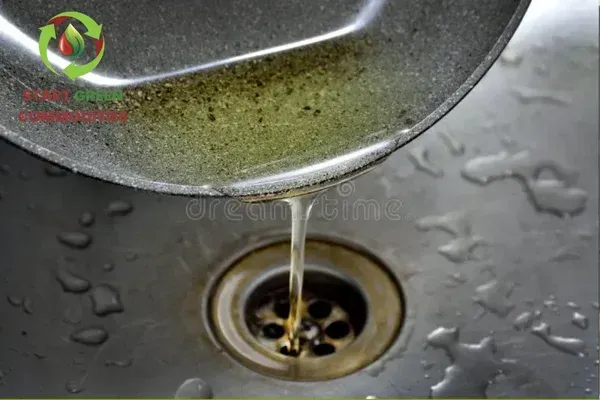
How Restaurants Can Reduce Fryer Oil Costs by 40%
Table of Contents
Why Fryer Oil Is One of the Most Expensive Kitchen Consumables
The Hidden Costs of Poor Oil Management
40% Fryer Oil Savings: What the Data Actually Shows
The 10 Best Ways Restaurants Can Reduce Fryer Oil Costs
How Used Cooking Oil Collection Services Help Reduce Costs
The Role of Restaurant Oil Disposal in Cost Reduction
Restaurant Cooking Oil Recycling: Turning Waste Into Profit
Internal & External Resource Links
Conclusion
Humanized Snippet
Introduction: Why Reducing Fryer Oil Costs Is a 2026 Priority
If you run a restaurant, café, food truck, bakery, ghost kitchen, or commercial hospitality operation, your fryer oil is one of your most expensive consumables and often one of the most wasted.
Fryer oil prices have skyrocketed in recent years due to:
Global vegetable oil shortages
Increased demand for renewable diesel
Supply chain disruptions
High consumption rates in busy kitchens
The result?
Most restaurants are spending 30–50% more on cooking oil compared to previous years.
But here’s the good news:
You can reduce fryer oil costs by up to 40%
…without compromising food quality
…without reducing output
…without buying cheaper oil
You simply need smarter oil management, better recycling habits, and the right used cooking oil collection partner.
This guide gives you a step-by-step, real-world playbook to dramatically cut oil costs while improving your kitchen’s consistency, food flavor, and operational efficiency.
Let’s dive in.
Why Fryer Oil Costs Restaurants So Much
Commercial kitchens go through oil fast especially high-volume restaurants.
The average U.S. restaurant spends between $250 to $800 per month on fryer oil, depending on:
Fryer size
Type of oil
Kitchen hours
Food type (fried chicken uses more oil than fries)
Oil management habits
But the purchase price of oil is only part of the total cost.
The Real Cost Includes:
Frequent oil replacements
Lost flavor quality
Reduced customer satisfaction
Increased fryer maintenance
Additional labor
Excess kitchen heat
Higher energy usage
Premature equipment breakdown
And most of this cost comes from mismanaged oil, not the oil itself.
The Hidden Costs of Poor Oil Management
Restaurants lose thousands per year because of:
1. Changing oil too frequently
Many staff members discard oil early because they “think” it’s dirty.
2. Not filtering oil daily
Filtering removes crumbs, batter, carbon, and leftover food particles.
3. Frying at the wrong temperature
Too high? Oil burns faster.
Too low? Food absorbs oil.
4. Busy service rushes
Employees forget to skim debris.
5. Improper fryer cleaning
Carbon deposits degrade fresh oil instantly.
6. Missing or inconsistent oil logs
If you can’t measure usage, you can’t improve it.
7. Not working with a professional used cooking oil collection company
A good partner supports recycling, training, and education which reduces waste and operational cost.
These overlooked mistakes lead to restaurants changing oil 2 to 4 days earlier than necessary costing thousands annually.
How Restaurants Reduce Fryer Oil Costs by 40% (According to Real-World Data)
Restaurants that adopt structured oil management see:
Up to:
40% reduction in oil purchases
50% increase in oil lifespan
25% better food consistency
60% less fryer downtime
Improved flavor & color of fried foods
This isn’t magic it’s simply adopting the systems that top restaurant chains already use.
Below are the 10 proven strategies that reliably reduce fryer oil costs across the industry.
Strategy #1: Filter Fryer Oil Every Day (Non-Negotiable)
Daily oil filtration is the #1 factor that extends fryer oil life.
Filtering removes:
Burnt crumbs
Food particles
Batter and breading
Carbon buildup
Moisture pockets
These contaminants accelerate oil breakdown.
Why daily filtration works:
Oil stays fresher 2–3× longer
Food turns crispier
Fryer temperature remains stable
Oil requires fewer complete changes
If your restaurant isn’t filtering daily, you're throwing money away plain and simple.
Strategy #2: Maintain Perfect Frying Temperature
Oil has an optimal range:
325°F–350°F (163°C–177°C)
Every 10°F above this range cuts oil life by 20–25%.
Overheating causes:
Oil burn-off
Faster darkening
Strong odors
Bitter flavors
Underheating causes:
Oil absorption
Greasy food
High waste
Modern fryers have digital controls use them.
Strategy #3: Skim Fryers Constantly During Service
Simple but massively overlooked.
Skimming removes chunks of food that burn and degrade oil.
The worst offenders are:
Chicken breading
Fries
Tortilla chips
Fish
Vegetables dipped in batter
Skimming adds extra hours to oil lifespan and improves flavor dramatically.
Strategy #4: Train Staff on Proper Oil Handling
Most fryer oil waste isn’t caused by the kitchen it’s caused by inconsistent training.
Staff should know:
When to filter
How to test oil quality
What temperature to use
What food types degrade oil faster
How to clean fryers properly
A good used cooking oil collection partner often provides staff training for free.
Strategy #5: Use Oil Test Strips or Digital Sensors
Guessing when oil “looks dark” is a losing game.
The best restaurants use:
TPM (Total Polar Material) meters
Free fatty acid test strips
Digital fryer sensors
These tools tell you exactly when oil is actually spent.
This alone can reduce oil change frequency by 25–35%.
Strategy 6: High-Quality Oil is to be used in commercial fryers.
Cheap oil burns faster.
Quality oil contains:
Anti-foaming agents
Heat-stable compounds
Longer molecular stability
You may pay more upfront but save hundreds per month long-term.
Strategy #7: Do not ever confuse old oil with new oil.
This contaminates the new batch instantly.
Always remove old oil clean fryer add fresh oil.
Strategy #8: Implement a Strict Oil Change Schedule
Create usable logs:
Filter times
Oil change dates
Temperature checks
Staff responsible
Chains like McDonald’s and Chick-fil-A follow strict oil schedules which is why their product consistency is unmatched.
Strategy #9: Fry Similar Foods Together
Fish, chicken, vegetables, pastries each creates different types of residue.
Mixing them accelerates oil breakdown and transfers flavor.
Use dedicated fryers when possible.
Strategy #10: Partner With a Professional Used Cooking Oil Collection Provider
A good used cooking oil collection service is one that does not just collect your oil.
They help you reduce waste by offering:
Clean, sealed oil bins
Timely pickups
Food-safe recycling
Regular bin sanitizing
Documentation logs for inspectors
Support for maintaining a clean oil disposal area
Training for kitchen staff
Environmental compliance reports
This keeps your oil disposal clean, safe, and profitable not a liability.
How Proper Restaurant Oil Disposal Reduces Fryer Costs
Many restaurants incorrectly dispose of oil, which leads to:
Fines
Sanitation issues
Lost rebate value
Contaminated oil bins
Fire hazards
Proper restaurant oil disposal ensures:
No contamination
No solid waste mixed in
No cross-contamination from other sources
Clean oil storage
Rebates or payments for recycled oil
The cleaner your oil disposal practices, the more value you get from your Restaurant Cooking Oil Recycling program.
Restaurant Cooking Oil Recycling: Turning Waste Into Profit
Recycled oil becomes:
Biodiesel
Renewable diesel
Sustainable aviation fuel
Animal feed additives
Industrial lubricants
Because used oil has value, restaurants benefit financially.
Some recyclers pay you for your used cooking oil depending on market rates.
Others offer:
Free bins
Free pickups
Free disposal
Free spill cleanup
Recycling also protects the environment and keeps your restaurant in compliance with FOG (fats, oils, grease) regulations.
Conclusion: Savings Come From Smarter Oil Management, Not Cheaper Oil
Reducing fryer oil costs by up to 40% doesn’t require shortcuts, cheap oil, or lower food quality.
It requires:
Better oil care
Better staff training
Better process
Better recycling habits
Better used cooking oil collection partners
Restaurants that adopt these systems experience:
Lower oil bills
Better tasting food
Longer fryer lifespan
Cleaner kitchens
Fewer emergency breakdowns
Higher efficiency
Oil is expensive but mismanaging it is even more costly.
Take control. Train your team. Partner with the right recycling service.
And watch your fryer oil budget drop dramatically.
Humanized Closing Snippet
Running a restaurant is hard margins are tight, costs keep rising, and every gallon of fryer oil matters. But with smarter habits, the right systems, and a trusted used cooking oil collection partner, cutting your oil expenses by up to 40% becomes not just possible, but easy. It’s one of the simplest ways to protect your bottom line without sacrificing the quality your customers love.