The Role of Used Cooking Oil Recycling in California’s Circular Economy
Inteoduction:
California has long been recognized as a leader in sustainability, environmental protection, and innovative waste management practices. As the state continues to pursue ambitious climate goals and resource conservation initiatives, businesses across multiple industries are searching for practical ways to reduce waste and contribute to a more sustainable future.
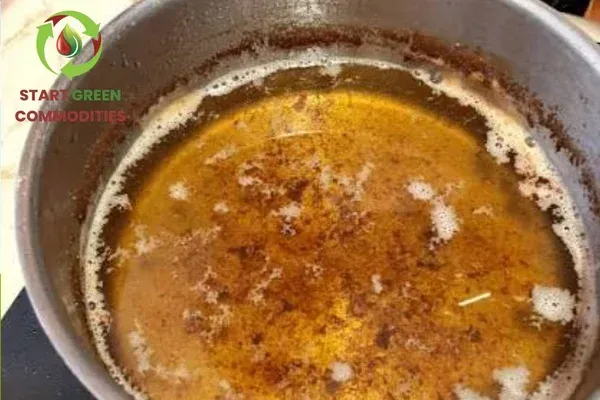
One often overlooked yet highly impactful practice is used cooking oil recycling. Every day, restaurants, hotels, food manufacturers, cafeterias, and commercial kitchens generate significant amounts of waste cooking oil. When managed properly, this valuable resource can be collected, recycled, and transformed into renewable products that support California’s growing circular economy.
Rather than viewing used cooking oil as waste, forward-thinking businesses are recognizing it as a resource that can create environmental, economic, and operational benefits. Through efficient used cooking oil collection programs and effective restaurant grease waste solutions, California businesses are helping reduce landfill waste, support renewable energy production, and build a more sustainable food service industry.
Understanding California’s Circular Economy
A circular economy is an economic system designed to eliminate waste and maximize the value of resources. Unlike the traditional linear model of “take, make, dispose,” a circular economy focuses on keeping materials in use for as long as possible through reuse, recycling, and regeneration.
California has embraced this concept through various sustainability initiatives aimed at:
Reducing waste generation
Increasing recycling rates
Lowering greenhouse gas emissions
Conserving natural resources
Supporting renewable energy development
Encouraging sustainable business practices
In this system, materials that would otherwise become waste are transformed into valuable inputs for new products. Used cooking oil serves as a perfect example of how circular economy principles work in practice.
Instead of being discarded, waste oil can be collected, processed, and converted into biodiesel, renewable diesel, animal feed ingredients, industrial lubricants, and other environmentally beneficial products.
Why Used Cooking Oil Matters More Than Ever
California’s food service industry generates millions of gallons of used cooking oil every year. Restaurants rely heavily on fryers, grills, and cooking equipment that produce substantial quantities of waste oil.
Without proper management, used cooking oil can create numerous environmental and operational problems, including:
Sewer blockages
Grease buildup in plumbing systems
Increased maintenance costs
Unpleasant odors
Environmental contamination
Regulatory violations
However, when businesses participate in professional used cooking oil recycling programs, these challenges become opportunities.
Used oil can be diverted from waste streams and transformed into valuable renewable resources that contribute to California’s sustainability goals.
The Journey of Recycled Cooking Oil
Many restaurant owners are surprised to learn how valuable their used cooking oil can be after collection.
The recycling process generally involves several stages:
Collection
Specialized service providers collect used cooking oil from commercial kitchens using secure storage containers designed to prevent leaks and contamination.
Reliable used cooking oil collection services ensure that oil is removed safely and efficiently without disrupting kitchen operations.
Transportation
The collected oil is transported to recycling facilities where it undergoes inspection and quality assessment.
Processing
At processing facilities, contaminants such as food particles, water, and debris are removed through filtration and treatment processes.
Conversion
Once purified, the oil can be converted into several useful products, including:
Biodiesel
Renewable diesel
Industrial products
Agricultural inputs
Energy resources
This process demonstrates how waste materials can re-enter the economy as valuable resources rather than ending up in landfills or wastewater systems.
Supporting Renewable Fuel Production
One of the most important contributions of used cooking oil recycling is its role in renewable fuel production.
California has implemented aggressive clean energy policies that encourage the development and use of low-carbon fuels. Recycled cooking oil plays a significant role in meeting these objectives.
Biodiesel Production
Used cooking oil is a primary feedstock for biodiesel manufacturing.
Biodiesel can:
Reduce greenhouse gas emissions
Lower dependence on fossil fuels
Improve air quality
Support energy diversification
Renewable Diesel
Renewable diesel has become increasingly important in California's transportation sector.
Unlike conventional petroleum diesel, renewable diesel derived from recycled cooking oil produces significantly fewer carbon emissions while maintaining compatibility with existing diesel engines.
This creates a practical pathway toward cleaner transportation without requiring major infrastructure changes.
Environmental Benefits of Used Cooking Oil Recycling
The environmental advantages of recycling cooking oil extend far beyond fuel production.
Reducing Water Pollution
Improper disposal of cooking oil can contaminate waterways and damage aquatic ecosystems.
When oil enters storm drains or sewer systems, it can create serious environmental hazards and costly cleanup efforts.
Professional recycling programs prevent these risks by ensuring responsible collection and processing.
Lowering Greenhouse Gas Emissions
The production of renewable fuels from recycled cooking oil helps reduce lifecycle carbon emissions compared to conventional fossil fuels.
This directly supports California’s climate action initiatives and contributes to broader emission reduction goals.
Conserving Natural Resources
By transforming waste into reusable products, recycling reduces the need for virgin raw materials.
This conservation approach aligns perfectly with circular economy principles by maximizing the value extracted from existing resources.
Minimizing Landfill Waste
Cooking oil that is recycled never reaches landfills.
Instead, it remains within productive economic cycles where it can continue generating value through new applications.
Economic Advantages for California Businesses
Environmental benefits are only part of the story.
Restaurants and food service businesses also gain substantial economic advantages from effective restaurant grease waste solutions.
Reduced Plumbing Costs
Improper oil disposal often leads to clogged pipes, grease buildup, and expensive emergency repairs.
Routine recycling services help prevent these issues and reduce maintenance expenses.
Improved Operational Efficiency
Professional oil collection services streamline waste management processes and free employees from dealing with complicated disposal procedures.
This allows staff to focus on customer service and food preparation.
Regulatory Compliance
California maintains strict environmental regulations regarding grease management and waste disposal.
Participating in established recycling programs helps businesses stay compliant and avoid costly penalties.
Enhanced Brand Reputation
Consumers increasingly support environmentally responsible businesses.
Restaurants that actively participate in sustainability initiatives can strengthen their reputation and attract environmentally conscious customers.
How Restaurants Drive California’s Circular Economy
Restaurants represent one of the most influential sectors in California’s recycling ecosystem.
Every commercial kitchen has the potential to contribute to circular economy objectives through responsible waste management practices.
Restaurants help drive sustainability by:
Recycling used cooking oil
Maintaining grease traps properly
Reducing food waste
Implementing sustainable sourcing practices
Educating staff on environmental responsibility
Collectively, these actions create significant environmental impact across the state.
As more restaurants adopt comprehensive recycling programs, California moves closer to achieving its long-term sustainability targets.

The Importance of Reliable Collection Services
A successful recycling program depends heavily on reliable collection services.
Businesses need partners capable of providing:
Scheduled pickups
Secure storage solutions
Spill prevention measures
Regulatory compliance support
Proper documentation
Consistent service quality
Working with experienced providers ensures that used oil remains part of the circular economy rather than becoming an environmental liability.
Many businesses seeking dependable recycling programs turn to trusted industry resources such as NW Grease, which offers specialized services and educational support for commercial kitchens looking to improve their waste management practices.
Restaurant Grease Waste Solutions Beyond Oil Collection
While oil recycling is essential, comprehensive grease management requires a broader strategy.
Effective restaurant grease waste solutions often include multiple components working together to improve sustainability and operational efficiency.
Grease Trap Maintenance
Grease traps prevent fats, oils, and grease from entering municipal sewer systems.
Regular cleaning helps maintain proper performance and reduces the risk of backups and violations.
Employee Training
Staff should understand proper disposal procedures and the environmental importance of recycling.
Training programs can significantly improve compliance and operational consistency.
Waste Monitoring
Tracking oil usage and waste generation helps businesses identify opportunities for improvement and cost savings.
Preventive Maintenance
Routine inspections and equipment maintenance can reduce waste generation while improving kitchen performance.