The Link Between Grease Trap Maintenance and Used Oil Recycling
Introduction:
For commercial kitchen operators, restaurateurs, and food service managers, the daily rush of fulfilling orders, managing inventory, and maintaining flawless hygiene standards is demanding enough. Behind the scenes, however, lies an invisible infrastructure that can either keep a restaurant running like a finely tuned machine or completely halt operations, leading to thousands of dollars in fines, emergency plumbing bills, and lost revenue.
This critical infrastructure revolves around liquid waste management specifically, how a kitchen handles its grease trap maintenance and its used cooking oil recycling.
While many kitchen operators treat grease traps and used cooking oil as two entirely separate operational tasks handled by different vendors, they are actually deeply intertwined components of a single, closed-loop environmental ecosystem. Mismanaging one inevitably compromises the other. Conversely, understanding the direct link between grease traps and oil recycling is the secret to lowering operational costs, staying ahead of strict municipal compliance laws, and transforming structural waste into a sustainable, eco-friendly resource.
1. Defining the Liquid Waste Components: FOG vs. UCO
Before diving into how these systems interact, we must clarify what happens to fats, oils, and grease when they leave your cooking equipment. In the commercial food industry, kitchen liquid waste is fundamentally split into two distinct operational categories:
Used Cooking Oil (UCO)
This refers to clean, high-quality oil that has reached the end of its frying lifespan. It is drained directly from deep fryers into specialized holding bins or automated containment systems. Because it has not been mixed with dishwater, detergents, or solid food particles, it remains highly pure. This purity makes UCO an incredibly valuable commodity for the bio-refining sector, serving as the foundational raw ingredient for renewable diesel and biodiesel production.
Fats, Oils, and Grease (FOG)
This is the complex, highly contaminated wastewater slurry generated throughout the kitchen primarily from pre-rinse sinks, commercial dishwashers, floor drains, and pot-washing stations. FOG contains spent oils, animal fats, solid food debris, chemical detergents, and graywater. Because FOG can cause massive structural damage to plumbing systems, it cannot be poured down the drain. Instead, it must be intercepted at the source by a mechanical separation device: the grease trap.
2. The Anatomy of Separation: How a Grease Trap Works
To understand why grease trap maintenance dictates the success of your broader waste strategy, you must understand the internal dynamics of the trap itself.
Grease traps operate on the simple physical principle of specific gravity: fats, oils, and grease are less dense than water, meaning they naturally float to the top. Solid food particles, being heavier than water, sink to the bottom.
Inflow: Turbulent, hot wastewater enters the trap from kitchen sinks and dishwashers.
Baffling and Cooling: Internal baffles slow down the flow of water, allowing the liquid to cool. As the mixture cools, the fats begin to congeal and separate.
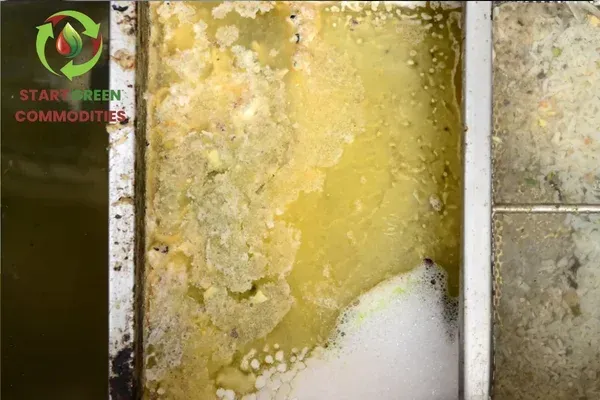
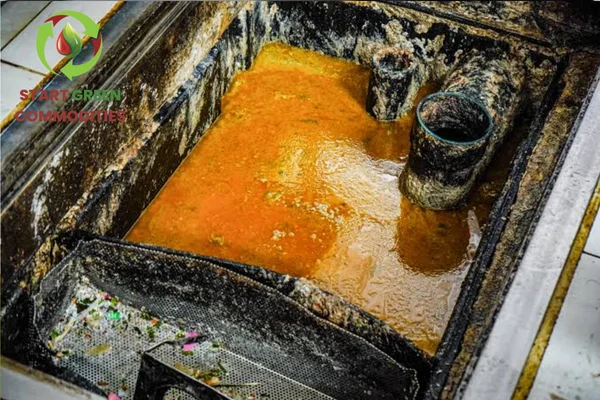
Stratification: The FOG floats to the surface, forming a thick, stagnant layer. The heavy food solids sink to the bottom, forming a sludge layer.
Outflow: Clean, grease-free water is pulled from the middle "clear zone" and discharged safely into the municipal sewer line.
The 25% Rule of Grease Trap Failure
A grease trap is not a magical portal that dissolves waste; it is a storage vault with finite capacity. Environmental protection agencies and municipal sewer districts strictly enforce the 25% Rule. This mandate dictates that once the combination of floating FOG and settled solids occupies 25% or more of the grease trap's total liquid capacity, the trap must be completely pumped out and cleaned.
When a kitchen crosses this 25% threshold, the retention time of the wastewater drops drastically. Water moves through the tank too quickly to cool down or separate, causing raw grease to escape directly into the municipal sewer line. This leads to line blockages, foul odors, sewer backups, and catastrophic structural blockages known as "fatbergs."
3. The Structural Link: How FOG Mismanagement Ruins Recycling Pipelines
The operational link between your deep fryers and your grease trap is defined by employee behavior and kitchen habits. When kitchen staff are not trained on proper waste protocols, the lines between UCO and FOG become blurred, causing a destructive domino effect across both systems.
The Costly Mistake of "Line Dumping"
The oil should be collected in a separate collection container for used cooking oil recycling when the deep fryers are drained, by "dumping".
. However, during busy shifts or closing rushes, uneducated or hurried kitchen staff may make the catastrophic mistake of dumping expired fryer oil directly down a sink or floor drain connected to the grease trap.
This introduces several severe operational problems:
Instant Overload: A single 50-pound fryer dump can instantly push a grease trap past its 25% capacity limit, completely blinding the internal baffles and neutralizing its ability to separate waste.
Rapid Solidification: High volumes of pure oil entering the plumbing lines cool rapidly, sticking to pipe walls and causing immediate, localized structural blockages inside the restaurant's internal plumbing.
Degraded Recyclability: Once premium fryer oil enters the grease trap, it is instantly contaminated by graywater, chemical dish soap, bleach, and rotting food solids. It transforms from a high-value, recyclable asset into a toxic, low-grade sewer sludge that is far more difficult and expensive to process.
Why Degraded FOG Hurts the Bio-Refining Industry
Bio-refineries require clean feedstock with predictable levels of Free Fatty Acids (FFA) and minimal moisture content to produce high-grade biofuels efficiently. When high-quality cooking oils are mistakenly directed into grease traps, they undergo rapid hydrolysis due to prolonged contact with water and bacteria. This spikes the FFA levels of the captured grease.
Processing high-FFA grease trap waste requires intensive chemical pre-treatment, complex acid esterification, and heavy distillation. By ensuring your fryer oil goes into the recycling bin rather than the grease trap, you preserve the chemical integrity of the oil, making it an optimal candidate for sustainable biofuel processing.
4. The Financial Blueprint: Maximizing Rebates and Minimizing Fines
Managing a commercial kitchen requires a sharp eye on overhead margins. When you look at liquid waste through a unified lens, you realize that grease trap maintenance and oil recycling represent opposite sides of the same financial ledger: one is an operational expense, while the other is a consistent source of ancillary revenue.
Turning Waste into Wealth with Used Cooking Oil Recycling
Premium, uncontaminated used cooking oil holds significant market value. Reputable environmental service providers track the yellow grease market indexes and offer restaurants financial rebates or service credits based on the volume of oil collected.
By maximizing your kitchen's oil recovery rate ensuring every drop of spent fryer oil goes into the recycling bin and zero drops go down the drain you actively increase your monthly recycling rebate. To learn more about setting up an optimized, high-yield recovery program for your facility, check out the comprehensive industry guide on used cooking oil recycling to see how clean oil management directly offsets your broader facility expenses.
Offsetting the Cost of Routine Grease Trap Cleaning
While oil recycling brings money into your business, routine grease trap pumping pulls money out. However, trying to save money by delaying your grease trap service is an incredibly expensive gamble.
If a grease trap overflows or breaches municipal compliance limits, the financial fallout escalates rapidly:
Emergency Plumbing Fees: Clearing a mainline structural blockage on a weekend or holiday can cost thousands of dollars in emergency plumbing dispatch fees.
Municipal Fines: Cities routinely issue hefty citations to restaurants that violate FOG ordinances or fail to maintain up-to-date manifest logs of their cleanings.
Business Interruption: A severe sewer backup creates an immediate biohazard, forcing the local health department to shut down your restaurant until the system is professionally sanitized.
By maintaining a rigorous, proactive schedule for your grease trap, you prevent emergency failures and ensure your kitchen remains fully operational. If you are looking for highly rated, locally compliant service providers to manage your system, searching for professional Grease Trap Cleaning near me connects you with local experts who can establish a certified, worry-free maintenance schedule tailored to your kitchen's specific volume.
5. Comprehensive Best Practices for Kitchen Waste Management
True operational efficiency is achieved by designing a seamless kitchen workflow that makes proper waste separation the easiest choice for your staff. Implementing the following operational standards will protect your plumbing infrastructure while maximizing your environmental metrics.
1. Implement a Mandatory "Dry Scrape" Protocol
The most effective way to protect your grease trap is to keep food solids and heavy fats out of the wastewater stream entirely.
Station rubber spatulas at every scraping and pre-rinse station.
Require dishwashers to dry-scrape all plates, pans, and trays directly into the compost or trash bins before introducing them to water.
Use fine-mesh sink strainers over every single drain to catch stray food debris before it can travel down into the grease trap.
2. Establish a Crystal-Clear Fryer Disposal Workflow
Never leave fryer disposal protocols open to interpretation.
Allow fryer oil to cool to a safe temperature (around 100°F–120°F) before attempting a transfer to prevent accidental burns.
Use dedicated, clearly labeled transport caddies to move the oil from the fryers to the outdoor recycling containment tank.
Ensure the outdoor storage bin remains locked at all times to prevent oil theft and rainwater contamination.
3. Maintain Complete Service Manifests
In the world of commercial kitchen compliance, if a service wasn't documented, it never happened. Every time your grease trap is pumped or your cooking oil is collected, secure a formal manifest from the technician. This document must state the date, the exact volume of waste removed, the destination facility, and the technician’s signature. Keep these records organized in an accessible compliance binder; city inspectors frequently request to see up to three years of historical logs during routine health and environmental audits.
6. The Broader Environmental Vision: From Kitchen Waste to Green Energy
When a restaurant successfully links diligent grease trap care with robust oil recycling, it steps out of the traditional linear waste model and enters the sustainable realm of the circular economy. The liquid waste produced during a busy dinner shift does not have to end up rotting in a landfill or polluting municipal waterways; instead, it can be repurposed to power modern transport networks.
Through specialized transesterification and hydroprocessing methods, clean used cooking oil is converted directly into advanced biofuels. These renewable fuels burn up to 80% cleaner than conventional petroleum-based diesel, significantly slashing greenhouse gas emissions and reducing our reliance on fossil fuel extraction.
Even the heavy, low-grade sludge extracted during professional grease trap cleanings is increasingly being diverted away from traditional landfills. Modern industrial processing plants now route FOG slurry into anaerobic digesters, where specialized bacteria break down the organic matter to generate biogas. This biogas is captured and converted directly into renewable electricity and green thermal energy to power local municipal grids.
7. Choosing the Right Environmental Partners
Managing a complex, high-volume kitchen requires reliable partners who understand the unique operational, structural, and regulatory pressures of the food service industry. Working with uncertified, cut-rate waste haulers exposes your business to severe compliance liabilities and hidden operational costs.
When evaluating potential service providers for your facility's restaurant oil disposal and grease management infrastructure, ensure they meet the following professional criteria:
Full Licensing and Permitting: Verify that the provider holds valid, up-to-date state and local permits to transport, handle, and process liquid food waste.
Cradle-to-Grave Traceability: Ensure the company provides legally binding, transparent manifest documentation that verifies your waste is being processed at certified, environmentally responsible disposal facilities.
Turnkey, Unified Service Packages: Partnering with a comprehensive provider capable of managing both your proactive grease trap maintenance and your scheduled cooking oil collections simplifies your logistics, reduces administrative overhead, and minimizes vehicle traffic around your property.
By taking a proactive, integrated approach to your kitchen's liquid waste streams, you protect your internal plumbing from catastrophic blockages, insulate your business from costly municipal regulatory fines, and directly contribute to an eco-friendly, renewable energy cycle. Elevate your operational standards today by transforming your kitchen's necessary waste management routines into a highly efficient, sustainable, and financially optimized asset.