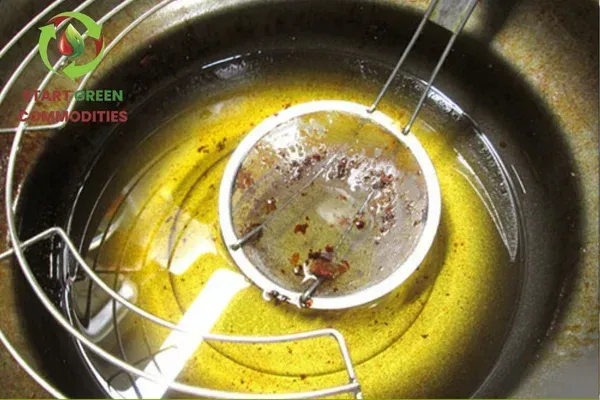
Turning Kitchen Waste into Renewable Energy: The Future of Cooking Oil Recycling
Introduction,
As the world races toward cleaner energy solutions and more sustainable lifestyles, one surprising hero is emerging from commercial kitchens: used cooking oil. What was once considered a messy waste product is now being transformed into a valuable renewable resource, powering vehicles, reducing emissions, and reshaping how restaurants manage waste. This shift is not just a trend it’s a powerful movement toward clean energy innovation and smarter waste reduction practices.
In California, especially along the coast, restaurants are discovering that used cooking oil recycling is more than an environmental responsibility it’s a strategic business decision. From local diners to high-volume commercial kitchens, many establishments are turning waste into opportunity, creating real restaurant success story Ventura examples that prove sustainability and profitability can go hand in hand.
This blog explores the future of cooking oil recycling, its role in renewable energy, and how it supports waste reduction California initiatives while paving the way for a cleaner, greener economy.
The Growing Problem of Kitchen Waste in Modern Food Service
Commercial kitchens generate massive amounts of waste every single day. Between food scraps, packaging, and grease, restaurants face increasing pressure to manage disposal responsibly. Among these waste streams, cooking oil stands out as one of the most overlooked and most impactful.
When improperly disposed of, used cooking oil can:
Clog sewer systems and grease traps
Pollute waterways and soil
Increase maintenance costs for restaurants
Contribute to environmental damage and greenhouse gas emissions
In California, where environmental regulations are among the strictest in the country, improper oil disposal can also result in heavy fines. This challenge has forced restaurants to rethink how they handle kitchen waste and that’s where oil recycling steps in as a sustainable solution.
What Is Used Cooking Oil Recycling?
Used cooking oil recycling is the process of collecting, filtering, and repurposing oil that has already been used for frying or cooking. Instead of being dumped down drains or thrown away, the oil is collected by professional recyclers and converted into valuable products, most notably biodiesel.
Biodiesel is a renewable fuel made from organic materials like recycled cooking oil. It burns cleaner than traditional fossil fuels, produces fewer emissions, and can be used in existing diesel engines with little to no modification.
This process turns a once-harmful waste product into a clean energy resource an excellent example of circular economy thinking.
How Cooking Oil Becomes Renewable Energy
The journey from fryer to fuel is a fascinating example of clean energy innovation:
Collection
Restaurants store used cooking oil in designated containers. Licensed recyclers collect it on a scheduled basis.Filtering and Processing
The oil is cleaned to remove food particles, water, and impurities.Conversion to Biodiesel
Through a chemical process called transesterification, the oil is converted into biodiesel.Distribution and Use
The biodiesel is then used to power vehicles, machinery, and even generators.
Each step reduces reliance on fossil fuels and lowers overall carbon emissions making used cooking oil recycling a powerful tool in the fight against climate change.
Clean Energy Innovation: Why Used Cooking Oil Matters
As governments and businesses seek renewable energy alternatives, used cooking oil has emerged as a surprisingly scalable resource. Unlike solar or wind energy, cooking oil recycling:
Requires no new land use
Repurposes existing waste
Supports local economies
Reduces environmental pollution
In California, where clean energy goals are ambitious, this innovation aligns perfectly with state sustainability objectives. Recycling cooking oil supports cleaner transportation fuels, reduces landfill waste, and helps cities move closer to carbon neutrality.
To understand how recycling initiatives contribute to sustainability goals, it’s important to also consider carbon footprint reduction strategies. Programs like those discussed in this detailed guide on carbon footprint reduction show how responsible waste management plays a direct role in lowering emissions across industries.
Waste Reduction in California: A Statewide Priority
California has been a pioneer in terms of environmental policy. With aggressive waste diversion goals and renewable energy mandates, businesses are expected to play their part.
For restaurants, waste reduction California efforts often focus on:
Minimizing food waste
Composting organic materials
Recycling packaging
Proper grease and oil management
Used cooking oil recycling checks multiple boxes at once. It diverts waste from sewer systems, reduces landfill use, and contributes to renewable energy production all while helping restaurants stay compliant with local regulations.
This is why more municipalities are encouraging or even requiring professional oil recycling services.
Restaurant Success Story Ventura: Sustainability in Action
Ventura’s restaurant scene offers a perfect example of how sustainability can drive success. Many local establishments have embraced used cooking oil recycling not just to meet regulations, but to improve operations and brand reputation.
A common restaurant success story Ventura looks like this:
A restaurant partners with a professional oil recycling service
Regular pickups eliminate grease disposal issues
Maintenance costs drop due to fewer plumbing problems
The restaurant promotes its eco-friendly practices
Customer trust and loyalty increase
Some restaurants even earn rebates or incentives for recycled oil, turning waste management into a small revenue stream. This shift transforms sustainability from a cost into an investment.
Financial Benefits of Used Cooking Oil Recycling
While environmental impact is a major motivator, the financial advantages are equally compelling.
Reduced Maintenance Costs
Poor oil disposal may result in blocked sinks, broken grease pots and emergency repairs on the plumbing. Recycling prevents these issues.
Compliance and Fine Avoidance
California regulations can penalize businesses for improper grease disposal. Professional recycling ensures compliance.
Potential Revenue
Some recyclers offer compensation for high-quality used oil, especially from high-volume kitchens.
Improved Brand Image
Eco-conscious consumers prefer businesses that align with their values. Sustainability can directly influence customer choice.
The Role of Technology in Oil Recycling
Modern oil recycling is driven by innovation. Smart collection systems, digital tracking, and improved processing technologies make the system more efficient than ever.
Advanced sensors can monitor oil levels, ensuring timely pickups. Data analytics help recyclers optimize routes, reducing fuel consumption. Meanwhile, improved refining processes produce higher-quality biodiesel with lower emissions.
These advancements position used cooking oil recycling as a cornerstone of the future clean energy landscape.
Environmental Impact: Beyond the Kitchen
The benefits of recycling cooking oil extend far beyond restaurant walls.
Reduced Water Pollution
Dumped oil contaminates water systems, harming wildlife and ecosystems. Recycling eliminates this risk.
Lower Greenhouse Gas Emissions
Biodiesel made from recycled oil emits significantly less CO₂ than petroleum diesel.
Conservation of Natural Resources
By replacing fossil fuels, recycled oil reduces the need for drilling and extraction.
Each gallon of recycled cooking oil contributes to a cleaner, healthier planet.
Sustainable Waste Management and the Circular Economy
Used cooking oil recycling is a textbook example of the circular economy in action. Instead of following a “use and discard” model, materials are reused, repurposed, and reintegrated into the economy.
For restaurants, this means:
Less waste leaving the kitchen
More value extracted from existing resources
Participation in a sustainable supply chain
As consumers become more aware of environmental issues, businesses that adopt circular practices gain a competitive edge.
The Future of Cooking Oil Recycling
Looking ahead, the future of cooking oil recycling is incredibly promising.
Increased Adoption
More cities are introducing mandatory recycling programs, driving widespread adoption.
Integration with Clean Energy Policies
As renewable fuel standards expand, demand for recycled oil will continue to grow.
Innovation in Biofuel Production
Next-generation biofuels will further improve efficiency and reduce emissions.
Greater Consumer Awareness
Customers increasingly support businesses that demonstrate real sustainability efforts.
Together, these trends signal that used cooking oil recycling will play a central role in the future of sustainable waste management.
Why Restaurants Should Act Now
Waiting to adopt oil recycling isn’t just risky it’s a missed opportunity. Early adopters benefit from:
Smoother operations
Stronger environmental credentials
Cost savings over time
Alignment with future regulations
In a competitive market, sustainability is no longer optional it’s a business strategy.
How Start Green Commodities Supports a Cleaner Future
At Start Green Commodities, sustainability isn’t just a concept it’s a mission. By helping businesses responsibly manage used cooking oil and other recyclable materials, the company supports cleaner energy production and long-term environmental health.
Through education, innovation, and responsible recycling practices, Start Green Commodities empowers restaurants to become part of the clean energy solution while improving operational efficiency.
Final Thoughts: Turning Waste into Opportunity
The transformation of kitchen waste into renewable energy is one of the most practical and impactful sustainability solutions available today. Used cooking oil recycling proves that even the smallest changes like how a restaurant handles fryer oil can make a big difference.
From driving waste reduction California goals to inspiring a restaurant success story Ventura, cooking oil recycling represents the future of clean energy innovation and sustainable waste management.
As the world moves toward greener solutions, one thing is clear: the future of renewable energy may start right in the kitchen.