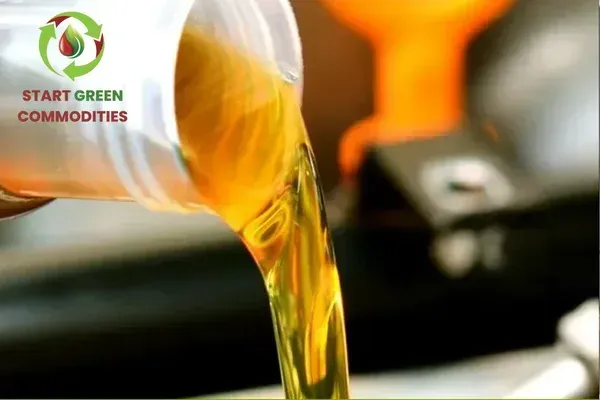
Turning Kitchen Waste into Renewable Energy: The Future of Cooking Oil Recycling
Introduction,
But what if that “waste” could help power vehicles, reduce carbon emissions, and support a cleaner energy future?
Welcome to the evolving world of used cooking oil recycling, where kitchen waste is being transformed into renewable energy and sustainable solutions. What was once a disposal problem is now a powerful opportunity especially for restaurants, food producers, and communities looking to reduce environmental impact while cutting costs.
This article explores how cooking oil recycling is shaping the future of clean energy, why it matters more than ever, and how businesses searching for oil recycling near me are becoming part of a global sustainability movement.
The Growing Problem of Kitchen Waste
Food waste has long been a topic of concern, but liquid kitchen waste especially used cooking oil often receives far less attention. Restaurants, cafeterias, hotels, and food processors generate thousands of gallons of used oil every year.
When not handled properly, this oil can:
Clog sewer systems
Damage plumbing infrastructure
Increase wastewater treatment costs
Harm local ecosystems
Lead to regulatory fines
In many cities, fats, oils, and grease (FOG) are among the top causes of sewer blockages. That’s why responsible disposal and Grease Trap Cleaning have become essential parts of modern food service operations.
Yet disposal alone is no longer enough. Today, innovation is turning this challenge into a clean-energy solution.
What Is Used Cooking Oil Recycling?
Used cooking oil recycling is the process of collecting waste oil from kitchens and converting it into new, usable products—most notably renewable energy sources like biodiesel.
Instead of dumping oil down drains or sending it to landfills, professional recyclers:
Collect used oil in secure containers
Filter and clean the oil
Process it into renewable fuel or industrial materials
Reintroduce it into the energy and manufacturing cycle
This circular approach reduces waste, conserves resources, and supports sustainable energy innovation.
From Fryer to Fuel: How Cooking Oil Becomes Renewable Energy
One of the most exciting aspects of cooking oil recycling is its role in renewable energy production.
Biodiesel: A Cleaner Alternative
Recycled cooking oil is commonly used to produce biodiesel, a renewable fuel that can power:
Trucks
Buses
Agricultural equipment
Industrial machinery
Biodiesel burns cleaner than petroleum diesel, producing fewer greenhouse gas emissions and less air pollution.
In fact, biodiesel made from recycled cooking oil can reduce carbon emissions by up to 80% compared to traditional fossil fuels.
Why Cooking Oil Recycling Matters in the Clean Energy Transition
As the world shifts toward renewable energy, governments and industries are looking for sustainable fuel sources that don’t compete with food production. Used cooking oil fits perfectly into this model.
Key Benefits for Clean Energy Innovation
No new land required (unlike some biofuel crops)
Uses existing waste streams
Reduces dependence on fossil fuels
Supports circular economy principles
This makes used cooking oil recycling one of the most efficient and scalable renewable energy solutions available today.
The Role of Restaurants in the Renewable Energy Future
Restaurants are at the heart of this transformation. Every fryer emptied responsibly contributes to the clean energy supply chain.
For restaurant owners, participating in oil recycling isn’t just about compliance it’s about leadership.
Restaurants that recycle oil responsibly:
Reduce environmental impact
Improve brand image
Meet sustainability expectations
Support renewable energy innovation
Customers increasingly value eco-friendly practices, and many prefer dining at businesses that demonstrate environmental responsibility.
“Oil Recycling Near Me”: Why Local Access Is Essential
As sustainability awareness grows, more businesses search for oil recycling near me and for good reason.
Local recycling providers offer:
Faster pickup schedules
Knowledge of local regulations
Reduced transportation emissions
Personalized service
Local access makes recycling easier, more affordable, and more reliable, encouraging higher participation rates among small and mid-sized businesses.
The Relationship between oil recycling and grease tap cleaning.
The best thing about oil recycling and grease tap cleaning is that they should be combined so that you have no problems keeping your kitchen running smoothly and free of stress.
When used oil is recycled properly:
Less grease enters drainage systems
Grease traps fill more slowly
Maintenance costs decrease
Emergency plumbing issues are reduced
This not only protects infrastructure but also keeps kitchens running smoothly.
Restaurants that recycle oil consistently often report fewer health inspections issues and lower long-term maintenance expenses.
Environmental Impact Beyond Energy
The benefits of used cooking oil recycling extend far beyond renewable fuel.
Reduced Water Pollution
When oil enters waterways, it creates surface films that harm aquatic life and disrupt oxygen exchange. Recycling prevents this contamination.
Lower Landfill Waste
Oil that ends up in landfills can leach into soil and groundwater. Recycling keeps harmful substances out of the environment.
Improved Urban Infrastructure
By reducing grease buildup in sewer systems, cities spend less on repairs and wastewater treatment saving taxpayer money.
Innovation in Cooking Oil Recycling Technology
The future of cooking oil recycling is being shaped by continuous innovation.
Advanced Filtration Systems
Modern recycling facilities use advanced filtration to remove impurities, increasing fuel quality and efficiency.
Smart Collection Systems
Some providers now use sensor-based containers that alert collectors when oil levels are full optimizing pickup routes and reducing emissions.
Integrated Waste Solutions
Oil recycling is increasingly integrated with broader waste management systems, including grease trap servicing and food waste composting.
These innovations make recycling more efficient, scalable, and impactful.
The Circular Economy: A Sustainable Waste Model
Used cooking oil recycling is a perfect example of the circular economy, where waste is reused rather than discarded.
Instead of:
Produce → Use → Dispose
We now have:
Produce → Use → Recycle → Repurpose
This model reduces resource extraction, lowers emissions, and creates economic value from materials that were once considered worthless.
Industry Leadership and Best Practices
Businesses looking to implement responsible oil recycling can learn from industry leaders who specialize in sustainable waste solutions.
Many food service operators rely on experienced companies like
Kernuo
for guidance on grease management, compliance, and environmentally responsible disposal practices.
Partnering with knowledgeable providers ensures both regulatory compliance and long-term sustainability success.
Why Sustainability Is a Competitive Advantage
Sustainability is no longer optional it’s a competitive necessity.
Restaurants and food businesses that invest in eco-friendly practices benefit from:
Stronger brand trust
Increased customer loyalty
Better employee engagement
Easier regulatory compliance
Used cooking oil recycling is one of the simplest and most effective sustainability initiatives a kitchen can adopt.
Real-World Example: Turning Waste into Value
A mid-sized food service operation that implemented oil recycling reported:
Reduced grease trap cleaning frequency
Fewer plumbing emergencies
Positive customer feedback on sustainability efforts
Participation in renewable fuel production
What once cost money to dispose of now contributes to cleaner energy and smoother operations.
How to Get Started with Used Cooking Oil Recycling
Starting is easier than many businesses expect.
Assess how much oil your kitchen produces
Find a licensed local provider (oil recycling near me)
Use proper storage containers
Train staff on handling procedures
Schedule regular pickups
To understand best practices in more detail, this guide explains how professional recycling programs work and why they matter:
Common Myths About Cooking Oil Recycling
Myth: Recycling oil is expensive
Truth: It often reduces overall waste costs
Myth: Only large kitchens benefit
Truth: Small restaurants gain compliance and maintenance savings
Myth: It’s complicated
Truth: Most providers manage the entire process
The Future of Sustainable Waste Management
As cities grow and environmental regulations tighten, sustainable waste solutions will become standard practice.
Future trends include:
Expanded biodiesel adoption
Smarter waste tracking systems
Stronger sustainability reporting
Increased consumer demand for green businesses
Used cooking oil recycling will continue to play a critical role in this future.
Why Cooking Oil Recycling Is More Than a Trend
This isn’t a passing trend it’s a fundamental shift in how we view waste.
What was once a liability is now:
A renewable resource
A clean energy solution
A sustainability opportunity
Businesses that embrace this shift today will be better positioned for tomorrow.
Final Thoughts: Powering the Future from the Kitchen
The journey toward clean energy doesn’t always start with massive infrastructure or new technologies. Sometimes, it starts in the kitchen.
Through used cooking oil recycling, everyday waste is being transformed into renewable energy, cleaner cities, and more sustainable businesses.
For restaurants and food service operators, this is a chance to:
Reduce environmental impact
Support renewable fuel innovation
Improve operations
Lead the way toward a greener future
The future of energy is already flowing from our kitchens and those who act now are helping shape a more sustainable world.