The Complete Guide to Used Cooking Oil Collection for Restaurants in Ventura
Table of Contents
Introduction: Why Ventura Restaurants Need a Smarter Oil Collection Strategy
Understanding Used Cooking Oil Recycling
Why Proper Restaurant Oil Disposal Matters
Common Problems Caused by Improper Oil Disposal
How Used Cooking Oil Collection Services Work
Benefits of Professional Oil Collection for Ventura Restaurants
The Connection Between Grease Trap Maintenance and Oil Collection
Environmental Benefits of Recycling Used Cooking Oil
Compliance and Regulations for Ventura Food Businesses
How to Choose the Right Oil Collection Partner
Best Practices for Restaurant Staff
Why Ventura Restaurants Are Prioritizing Sustainability in 2026
Final Takeaway
Introduction: Why Ventura Restaurants Need a Smarter Oil Collection Strategy
Running a restaurant in Ventura means juggling dozens of daily responsibilities—from food quality and staffing to health inspections and customer service. One task that often gets overlooked until it becomes a costly problem is managing used fryer oil.
Every kitchen that serves fried foods produces gallons of waste oil each week. If that oil is handled incorrectly, it can clog drains, overwhelm grease traps, create safety hazards, and lead to expensive plumbing repairs. But when managed properly, used oil becomes a valuable recyclable resource.
That is why more restaurant owners are turning to professional used cooking oil recycling programs. These services simplify restaurant oil disposal, support effective grease trap maintenance, and help restaurants meet their sustainability goals.
Whether you operate a small café on Main Street or a high-volume seafood restaurant near the Ventura Harbor, this guide will show you everything you need to know about used cooking oil collection and why it has become a critical part of modern restaurant operations.
Understanding Used Cooking Oil Recycling
Used fryer oil is far from worthless. Through used cooking oil recycling, oil that has reached the end of its cooking life is collected, filtered, and processed into useful products such as:
Biodiesel fuel
Renewable diesel
Animal feed ingredients
Industrial lubricants
Soap and cleaning products
This process keeps waste out of landfills and turns a common restaurant byproduct into an environmentally valuable commodity.
In 2026, restaurants are increasingly judged by how responsibly they manage waste. Recycling used cooking oil is one of the easiest and most impactful ways to demonstrate environmental stewardship.
Why Proper Restaurant Oil Disposal Matters
Many kitchen problems begin with improper restaurant oil disposal.
When oil is poured into sinks, floor drains, or dumpsters, it creates a range of issues:
Blocked pipes and sewer lines
Strong odors
Pest attraction
Plumbing emergencies
Environmental violations
Even small amounts of oil can harden over time and restrict water flow. This leads to backups that disrupt kitchen operations and require costly repairs.
Professional collection services eliminate these risks by removing oil safely and consistently.
Common Problems Caused by Improper Oil Disposal
Clogged Drains
Used oil cools and solidifies, coating pipes and trapping food particles. Over time, this creates severe blockages.
For a detailed explanation of how fats, oils, and grease impact plumbing systems, read this helpful guide on clogged drain prevention:
clogged drain prevention
Increased Grease Trap Costs
Oil entering the wastewater system causes grease traps to fill faster, increasing cleaning frequency and maintenance expenses.
Health and Safety Hazards
Spills and overfilled containers can create slip hazards and sanitation concerns.
Environmental Damage
Illegal dumping contaminates soil and waterways and can result in fines or enforcement actions.
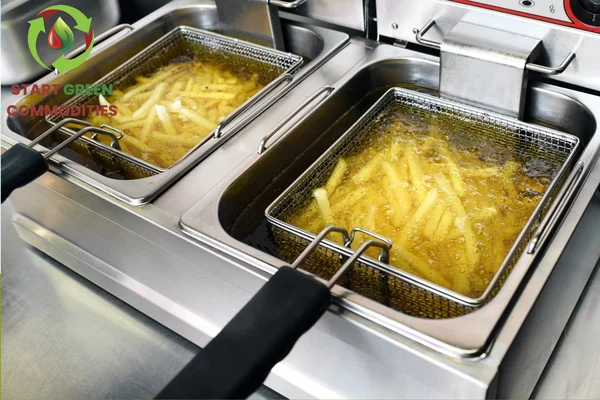
How Used Cooking Oil Collection Services Work
Professional oil collection services follow a straightforward process.
1. Safe Storage
Restaurants store used oil in secure, leak-resistant containers or outdoor tanks.
2. Scheduled Pickup
A recycling company collects the oil on a regular schedule based on your kitchen’s volume.
3. Transportation
The oil is transported to a processing facility using specialized equipment.
4. Recycling
The oil is refined into renewable products such as biodiesel.
5. Documentation
Many providers offer reports that help restaurants track recycling efforts and maintain compliance records.
This system reduces workload for staff and ensures reliable restaurant oil disposal.
Benefits of Professional Oil Collection for Ventura Restaurants
Lower Maintenance Costs
Proper collection prevents oil from entering plumbing systems, reducing emergency repairs.
Better Kitchen Safety
Closed storage systems minimize spills and handling risks.
Improved Sustainability
Participating in used cooking oil recycling helps reduce greenhouse gas emissions.
Regulatory Compliance
Documented pickups help demonstrate responsible waste handling.
Operational Efficiency
Staff spend less time managing waste and more time serving customers.
The Connection Between Grease Trap Maintenance and Oil Collection
Many restaurant owners view grease trap maintenance and oil collection as separate tasks, but they are closely linked.
Grease traps are designed to capture fats, oils, and grease before wastewater enters municipal systems. When fryer oil is disposed of properly, grease traps:
Fill more slowly
Produce fewer odors
Require less frequent pumping
Perform more effectively
By removing bulk oil through recycling, restaurants reduce strain on their grease management systems and save money over time.
Environmental Benefits of Recycling Used Cooking Oil
One gallon of recycled fryer oil can be transformed into clean-burning fuel that reduces reliance on petroleum.
Environmental advantages include:
Lower greenhouse gas emissions
Reduced landfill waste
Protection of water systems
Support for renewable energy production
Companies such as Northwest Grease demonstrate how used oil can be converted into valuable renewable resources rather than becoming an environmental liability.
For Ventura restaurants looking to strengthen their sustainability profile, recycling used oil is one of the most practical steps they can take.
Compliance and Regulations for Ventura Food Businesses
Restaurants in Ventura County must comply with local and state requirements governing fats, oils, and grease disposal.
Improper disposal can lead to:
Sewer surcharges
Corrective notices
Environmental penalties
Increased inspection scrutiny
Professional collection services help businesses maintain consistent documentation and reduce compliance risks.
Although regulations vary by municipality, the principle is the same: oils and grease should be kept out of the sewer system whenever possible.
How to Choose the Right Oil Collection Partner
Not all collection companies offer the same level of service. Look for a provider that offers:
Reliable pickup schedules
Secure storage containers
Transparent reporting
Responsive customer support
Experience with high-volume restaurants
Integration with broader waste management programs
A dependable partner should make oil collection effortless while supporting your sustainability and compliance goals.
Best Practices for Restaurant Staff
Even with professional service, employee training remains essential.
Teach staff to:
Allow oil to cool before transfer
Use designated containers only
Keep lids securely closed
Report leaks or spills immediately
Never pour oil into drains
Clear procedures reduce accidents and ensure consistent handling.
Why Ventura Restaurants Are Prioritizing Sustainability in 2026
Today’s diners increasingly support restaurants that take environmental responsibility seriously.
By implementing used cooking oil recycling, improving restaurant oil disposal, and staying proactive with grease trap maintenance, Ventura restaurants can:
Reduce operating costs
Strengthen brand reputation
Improve compliance
Support renewable energy
Demonstrate community leadership
Sustainability is no longer a niche initiative. It is a smart operational strategy.
Final Takeaway
Used cooking oil is not just waste it is a valuable recyclable resource.
For restaurants in Ventura, professional oil collection offers a practical way to streamline operations, reduce maintenance costs, and protect the environment. When paired with responsible restaurant oil disposal practices and regular grease trap maintenance, oil recycling becomes an essential part of efficient kitchen management.
If your restaurant generates used fryer oil every day, partnering with a trusted collection service can save time, lower expenses, and support a cleaner future.
In 2026, the most successful restaurants are those that recognize that sustainability and profitability go hand in hand.