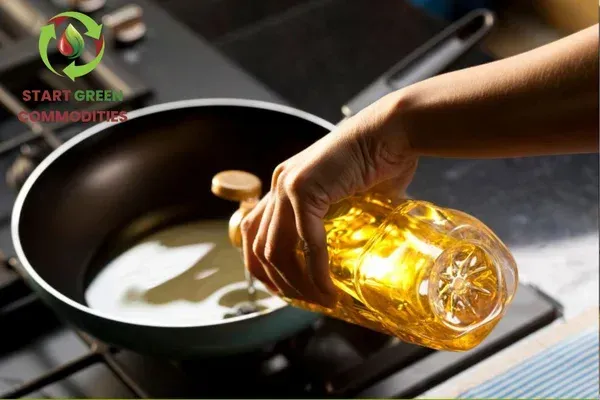
The Science Behind Turning Used Oil Into Clean Fuel
INTROUCTION;
Every day, restaurants, commercial kitchens, and food processors generate thousands of gallons of used cooking oil. For years, this greasy byproduct was seen as nothing more than waste something to be discarded, drained, or hauled away with little thought.
Today, that mindset has completely changed.
Thanks to advances in recycling technology and clean-energy science, used cooking oil collection has become a critical part of the renewable fuel ecosystem. What once clogged drains and polluted waterways is now powering trucks, buses, and industrial engines cleanly and efficiently.
But how does dirty fryer oil become clean fuel?
This article breaks down the science behind turning used oil into renewable fuel in a clear, simple, and human way. No chemistry degree required just curiosity.
Why Used Cooking Oil Is More Valuable Than You Think
Used cooking oil isn’t trash it’s energy waiting to be unlocked.
Vegetable oils, animal fats, and fryer grease are rich in long-chain fatty acids. These molecules contain stored chemical energy, similar to traditional fossil fuels but with one big advantage: they’re renewable.
When collected and processed correctly, used oil becomes:
Biodiesel
Renewable diesel
Sustainable aviation fuel (in some cases)
That’s why proper used cooking oil collection has become such a high priority for restaurants and recycling companies alike.
Step One: Responsible Used Cooking Oil Collection
The journey from fryer to fuel begins in the kitchen.
Restaurants generate used oil daily, and how that oil is handled determines its recycling quality. Dumping oil down drains causes serious plumbing and environmental problems, often requiring costly grease trap cleaning and emergency repairs.
Instead, professional oil recycling programs focus on:
Sealed, labeled containers
Scheduled pickups
Contamination prevention
Compliance with local regulations
If you’ve ever searched for oil recycling near me, you’re already part of this growing movement toward cleaner, smarter waste handling.
To learn more about the collection process, see this detailed guide on used oil collection.
Step Two: Filtering and Pre-Treatment
Once collected, used cooking oil isn’t ready for conversion yet.
It contains:
Food particles
Water
Free fatty acids
Impurities
What Happens During Pre-Treatment?
At the processing facility, the oil is:
Filtered to remove solids
Heated to evaporate water
Settled or centrifuged to separate contaminants
This step is critical. Cleaner oil leads to higher-quality fuel and more efficient chemical reactions later in the process.
Understanding the Chemistry (Made Simple)
Now comes the science but don’t worry, we’ll keep it easy.
Used cooking oil is made mostly of triglycerides. These are molecules made of:
Glycerin
Three fatty acid chains
The goal of fuel production is to break these molecules apart and reshape them into fuel that engines can use.
There are two main pathways:
Biodiesel production (transesterification)
Renewable diesel production (hydroprocessing)
Let’s explore both.
Pathway One: Biodiesel Through Transesterification
This is the most common and well-known method.
What Is Transesterification?
It’s a chemical reaction where:
Cooking oil that is used is reacted with an alcohol (generally methanol).
A catalyst (like sodium or potassium hydroxide) speeds things up
What Happens Chemically?
Triglycerides break apart
Fatty acids bond with alcohol
New molecules called fatty acid methyl esters (FAME) are formed
These FAME molecules are biodiesel.
Byproduct: Glycerin
The leftover glycerin is separated and reused in other industries, such as:
Pharmaceuticals
Cosmetics
Industrial lubricants
Nothing goes to waste.
Pathway Two: Renewable Diesel Through Hydroprocessing
This method produces fuel that’s chemically closer to petroleum diesel.
How Hydroprocessing Works
Instead of alcohol, this process uses:
High heat
High pressure
Hydrogen gas
The hydrogen removes oxygen from the oil molecules, transforming them into pure hydrocarbons.
Why Renewable Diesel Is Special
Works in existing diesel engines
Can be used without blending
Burns cleaner than fossil diesel
Has a longer shelf life
This is why demand for used cooking oil has surged especially in states pushing clean fuel standards.
Why Clean Feedstock Matters So Much
Not all used oil is equal.
Oil contaminated with water, food waste, or chemicals is harder and more expensive to process. That’s why proper kitchen practices matter.
Restaurants that:
Store oil correctly
Schedule timely pickups
Avoid dumping oil into drains
Produce higher-quality feedstock and reduce the need for excessive grease trap cleaning.
Better oil at the start = better fuel at the end.
From Fuel Plant to Fuel Tank
Once converted, clean fuel is:
Tested for quality
Blended (if needed)
Transported to distributors
From there, it powers:
Delivery trucks
Public transportation fleets
Construction equipment
Industrial generators
All from oil that once cooked french fries.
Environmental Benefits of Turning Used Oil Into Fuel
The science is impressive but the impact is even bigger.
Reduced Carbon Emissions
Renewable fuels made from used oil can reduce greenhouse gas emissions by up to 80% compared to fossil fuels.
Less Pollution
Fewer sulfur emissions
Lower particulate matter
Cleaner air in urban areas
Reduced Waste
Recycling oil keeps it out of:
Sewer systems
Landfills
Waterways
Why Restaurants Play a Key Role in Clean Energy
Restaurants are at the very beginning of the clean fuel chain.
Their daily decisions determine:
Oil quality
Recycling efficiency
Environmental impact
Choosing responsible oil recycling partners and learning from industry leaders like NW Grease helps restaurants stay compliant while contributing to renewable energy goals.
The Hidden Cost of Improper Oil Disposal
Improper disposal doesn’t just hurt the environment it hurts businesses.
Consequences include:
Drain blockages
FOG (fats, oils, grease) buildup
Emergency plumbing calls
Health code violations
Fines and shutdowns
That’s why professional oil collection and routine grease trap cleaning go hand in hand with sustainability.
Technology Is Making Oil Recycling Smarter
Modern recycling systems now include:
GPS-tracked pickups
Digital compliance records
Smart containers
Predictive scheduling
These innovations make used cooking oil collection more efficient and transparent than ever before.
The Circular Economy in Action
Turning used oil into fuel is a perfect example of a circular economy:
Oil is used for cooking
Waste oil is collected
Oil is converted into fuel
Fuel powers transportation
Emissions are reduced
Nothing is wasted. Everything has purpose.
Why Demand for Used Cooking Oil Is Growing
Several forces are driving demand:
Clean fuel regulations
Corporate sustainability goals
Rising fossil fuel costs
Public awareness
As a result, used oil is no longer just waste it’s a commodity.
What This Means for Local Businesses
For restaurants and foodservice operators, this shift creates opportunity.
By participating in responsible recycling, businesses can:
Reduce operational risk
Improve public image
Support clean energy
Stay ahead of regulations
And it all starts with choosing the right oil recycling solution.
How to Get Started With Responsible Oil Recycling
If you’re wondering where to begin:
Look for licensed recycling providers
Ask about pickup schedules
Ensure compliance documentation
Educate staff on oil handling
A quick search for oil recycling near me is often the first step toward long-term sustainability.
Final Thoughts: Science That Serves the Planet
The science behind turning used oil into clean fuel is powerful but it’s also practical. It connects kitchens to clean energy, waste to value, and everyday actions to global impact.
Through proper used cooking oil collection, careful processing, and smart chemical conversion, something once considered dirty becomes a clean solution for the future.
This isn’t just recycling.
It’s responsible science in action.
