How Regular Oil Filtration Can Save Restaurants Thousands”
Table of Contents
Introduction
What Is Oil Filtration and Why It Matters
The True Cost of Poor Frying Oil Management
How Regular Filtration Extends Oil Life
Reducing Expenses Through Used Cooking Oil Recycling
Improving Food Quality and Customer Satisfaction
Supporting Restaurant Waste Management Goals
The Connection Between Oil Filtration and Grease Trap Maintenance
Lowering Your Restaurant’s Environmental Impact
How Filtration Fits Into a Sustainable Kitchen Strategy
Best Practices for Restaurant Oil Filtration
Signs Your Restaurant Needs a Better Oil Management System
Partnering With Professionals for Maximum Savings
Final Thoughts
Frequently Asked Questions
How Regular Oil Filtration Can Save Restaurants Thousands
In every busy restaurant kitchen, frying oil is one of the most heavily used and frequently replaced resources. Whether you operate a fast-food restaurant, a diner, a food truck, or a fine dining establishment, the cost of cooking oil can add up quickly. What many restaurant owners don’t realize is that a simple operational habit regular oil filtration can dramatically reduce these expenses while improving food quality and supporting sustainability.
Combined with used cooking oil recycling, regular oil filtration is one of the smartest investments for a restaurant. It helps reduce oil purchases, minimizes waste, improves kitchen efficiency, and even lowers plumbing and maintenance costs.
Restaurants looking to improve their environmental performance can also learn more about carbon footprint reduction strategies and how better waste practices create both financial and ecological benefits.
For professional collection and responsible recycling services, NW Grease provides specialized solutions that help restaurants maximize the value of their used oil while maintaining cleaner and more efficient kitchens.
What Is Oil Filtration and Why It Matters
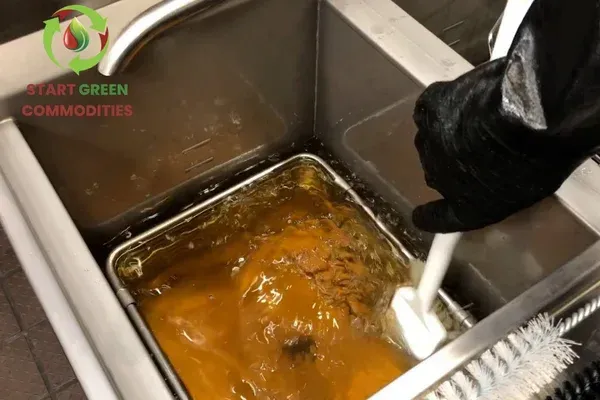
Oil filtration is the process of removing food particles, crumbs, carbon buildup, and contaminants from frying oil. During cooking, these impurities accumulate and accelerate oil breakdown, causing it to darken, smoke, and develop off-flavors.
By filtering oil daily or even multiple times per day in high-volume kitchens you can:
Extend the usable life of frying oil
Maintain consistent food quality
Reduce oil replacement costs
Minimize waste
Protect fryers and equipment
Improve operational efficiency
This simple maintenance practice can save restaurants thousands of dollars annually.
The True Cost of Poor Frying Oil Management
Many operators underestimate how much degraded oil costs their business.
Increased Oil Purchases
Without regular filtration, oil breaks down faster and needs to be replaced more often. Restaurants may unknowingly spend 30–50% more on oil than necessary.
Lower Food Quality
Dirty oil causes:
Darker fried foods
Unpleasant flavors
Greasy textures
Inconsistent cooking results
Equipment Wear and Tear
Contaminated oil leaves carbon deposits in fryers, heating elements, and baskets, reducing equipment efficiency and lifespan.
Plumbing Issues
Poor oil handling can contribute to grease buildup that affects drainage and increases the need for grease trap maintenance.
Environmental Waste
Discarding oil too early increases waste volumes and reduces the efficiency of used cooking oil recycling programs.
How Regular Filtration Extends Oil Life
Fresh oil degrades when exposed to heat, oxygen, moisture, and food particles. Of these factors, food particles are the easiest to control.
Filtration removes these contaminants before they burn and accelerate oxidation. As a result, oil remains stable and usable much longer.
Typical Savings
Restaurants that implement consistent filtration often report:
30–50% longer oil life
Reduced purchasing frequency
Lower disposal volumes
Improved fryer efficiency
For a restaurant spending $1,500 per month on frying oil, extending oil life by 40% can save over $7,000 annually.
Reducing Expenses Through Used Cooking Oil Recycling
Once oil reaches the end of its useful life, it still holds value.
Used cooking oil recycling transforms waste oil into renewable products such as biodiesel, animal feed ingredients, and industrial lubricants. Restaurants benefit by:
Avoiding improper disposal
Reducing waste hauling costs
Potentially earning rebates
Supporting sustainability initiatives
The better your filtration practices, the more efficient your recycling process becomes because the oil is cleaner and easier to process.
Improving Food Quality and Customer Satisfaction
Customers notice when fried food tastes fresh and crisp.
Regular filtration helps maintain:
Golden color
Crisp texture
Neutral flavor
Consistent cooking times
Foods like fries, chicken, onion rings, and seafood perform better in well-maintained oil. Better taste leads to:
More repeat business
Higher online reviews
Stronger customer loyalty
In a competitive restaurant market, these improvements directly affect revenue.
Supporting Restaurant Waste Management Goals
Modern restaurants are increasingly focused on sustainability and cost control. Effective restaurant waste management includes more than trash and recycling; it also involves responsible handling of oils and grease.
Regular filtration supports waste reduction by:
Lowering oil consumption
Decreasing disposal volumes
Improving recycling yields
Reducing contamination
This approach aligns operational efficiency with environmental responsibility.
The Connection Between Oil Filtration and Grease Trap Maintenance
Oil that is handled poorly often contributes to grease entering drains, causing buildup and expensive plumbing problems.
Consistent filtration and proper oil collection reduce the amount of grease reaching wastewater systems. This directly lowers the frequency and severity of grease trap maintenance issues.
Benefits include:
Fewer emergency backups
Reduced odors
Better compliance
Lower maintenance costs
When combined with scheduled grease trap service, filtration becomes part of a complete kitchen hygiene strategy.
Lowering Your Restaurant’s Environmental Impact
Sustainability is no longer optional for many food businesses. Customers, regulators, and communities increasingly expect responsible operations.
Regular oil filtration contributes to environmental stewardship by:
Reducing oil production demand
Minimizing transportation emissions
Supporting renewable fuel creation
Lowering landfill waste
These practices complement broader efforts such as energy efficiency and carbon footprint reduction.
How Filtration Fits Into a Sustainable Kitchen Strategy
An eco-conscious restaurant can build a comprehensive system around oil management:
Filter frying oil regularly.
Monitor oil quality and replacement timing.
Store spent oil safely.
Partner with a certified used cooking oil recycling provider.
Maintain grease traps on schedule.
Track waste reduction metrics.
Together, these practices enhance both profitability and sustainability.

Best Practices for Restaurant Oil Filtration
Filter Daily
Most restaurants should filter oil at least once per day. High-volume operations may need filtration after every major shift.
Train Staff
Ensure employees understand how and when to filter oil safely.
Clean Fryers Regularly
Even filtered oil performs best in clean equipment.
Monitor Oil Quality
Use test strips or digital meters to evaluate degradation.
Store Used Oil Properly
Keep spent oil in secure, labeled containers until collection.
Schedule Professional Pickups
Work with specialists like NW Grease to ensure reliable collection and recycling.
Signs Your Restaurant Needs a Better Oil Management System
If your kitchen experiences any of the following, your filtration routine may need improvement:
Frequent oil replacement
Rising food costs
Dark or smoky oil
Poor tasting fried foods
Excessive fryer residue
Grease trap issues
Higher maintenance expenses
Addressing these problems early can generate substantial savings.
Real-World Savings Example
Consider a mid-sized restaurant that:
Uses 120 gallons of frying oil monthly
Pays $3,000 per month for oil
Replaces oil every 4 days
After implementing disciplined filtration:
Oil life extends to 6 days
Monthly oil usage drops by 35%
Food quality improves
Grease-related maintenance declines
Annual Impact
Oil savings: $12,600
Reduced equipment maintenance: $2,500
Lower plumbing and grease trap costs: $1,800
Total estimated annual savings: $16,900
For many restaurants, these savings are transformative.
Partnering With Professionals for Maximum Savings
Oil filtration delivers the best results when combined with expert collection and recycling services.
A trusted provider helps with:
Secure storage systems
Scheduled pickups
Compliance documentation
Recycling reporting
Environmental support
By working with NW Grease, restaurants can turn waste into a managed asset while reducing operational headaches.
Why This Matters More Than Ever
Food costs continue to rise, margins remain tight, and customers expect quality and sustainability. Restaurants that optimize oil management gain a meaningful competitive advantage.
Regular filtration is a small operational habit with outsized returns:
Lower costs
Better tasting food
Reduced waste
Cleaner kitchens
Stronger sustainability credentials
Few changes are as simple and impactful.
Final Thoughts
Regular oil filtration is one of the most cost-effective practices any restaurant can implement. By extending oil life, enhancing food quality, reducing maintenance needs, and strengthening used cooking oil recycling efforts, restaurants can save thousands of dollars every year.
When integrated with strong restaurant waste management procedures and proactive grease trap maintenance, oil filtration becomes a cornerstone of efficient and sustainable kitchen operations.
If your restaurant is looking to cut costs, improve consistency, and reduce its environmental impact, start with your frying oil. The savings may be far greater than you expect.
Frequently Asked Questions
How often should restaurant frying oil be filtered?
Most restaurants should filter oil at least once daily. High-volume kitchens may benefit from filtering multiple times per day.
How much money can filtration save?
Depending on oil usage, restaurants can reduce oil costs by 30–50%, saving thousands annually.
Does filtration replace used cooking oil recycling?
No. Filtration extends oil life, while used cooking oil recycling ensures responsible disposal after the oil is no longer usable.
How does filtration affect grease trap maintenance?
Better oil handling keeps grease out of drains, reducing blockages and lowering grease trap maintenance costs.
Is oil filtration worth the effort?
Absolutely. The time spent filtering is minimal compared with the significant savings and quality improvements it delivers.