The Lifecycle of a Gallon of Used Cooking Oil in California
Introduction:
California leads the nation in sustainability initiatives, renewable fuel mandates, and environmental compliance. Because of this, used cooking oil collection has evolved into a highly regulated, technology-driven industry.
Improper oil disposal doesn’t just create plumbing disasters it causes:
Sewer blockages and overflows
Environmental contamination
Heavy fines for restaurants
Increased strain on municipal wastewater systems
On the other hand, responsibly recycled oil becomes a clean, renewable energy source, primarily biodiesel and renewable diesel.
This makes every gallon of oil valuable if handled correctly.
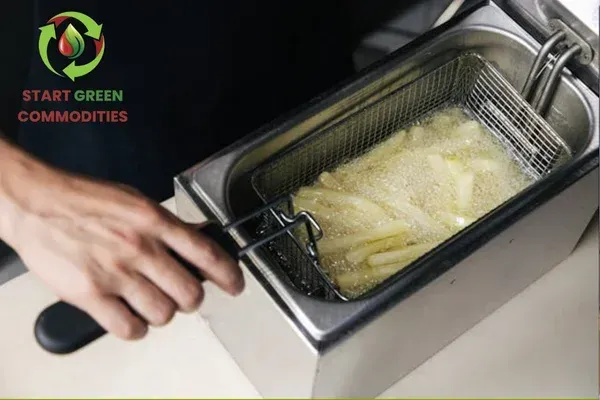
Stage 1: Oil Enters the Fryer (The Beginning of the Lifecycle)
The journey starts in a commercial kitchen.
Restaurants rely on vegetable oils, canola oil, soybean oil, and blends to fry foods efficiently. Over time, repeated heating breaks down the oil’s chemical structure. Once oil becomes:
Dark in color
Thick or sticky
Smoky at lower temperatures
Producing off-flavors
It is not safe or even effective to cook anymore.
At this point, the oil becomes used cooking oil (UCO) and enters the waste stream.
Stage 2: Proper Storage Inside the Restaurant
One of the most overlooked steps in the lifecycle is on-site oil handling.
Professional kitchens in California are required to:
Drain oil into approved containers
Store oil away from storm drains
Prevent leaks and spills
Use sealed, labeled containers
Failing to do this can result in FOG (fats, oils, and grease) violations.
This is where partnering with a licensed waste cooking oil collection service becomes critical. The right provider supplies proper containers, scheduled pickups, and compliance support.
Stage 3: Scheduling Used Cooking Oil Collection
Once containers are full, restaurants schedule a pickup.
In California, licensed collectors operate under strict regulations to ensure:
Safe transport
Theft prevention
Environmental protection
Accurate documentation
Many business owners search online for oil recycling near me, but not all providers meet California’s regulatory standards. A professional collector ensures your oil is legally removed and responsibly reused.
Choosing a reliable partner like Start Green Commodities helps restaurants avoid liability while maximizing sustainability impact.
Stage 4: Secure Pickup and Transportation
During pickup, trained technicians:
Inspect containers for contamination
Transfer oil using sealed pumping systems
Record quantities collected
Ensure spill-free removal
Oil theft is a serious issue in California, which is why reputable companies use locked containers and GPS-tracked vehicles.
Once collected, the oil is transported to licensed processing facilities never dumped or illegally resold.
Stage 5: Initial Filtration and Quality Assessment
At the processing facility, the oil undergoes its first transformation.
Technicians evaluate:
Water content
Food particle contamination
Free fatty acid levels
The oil is then filtered to remove solids like batter, crumbs, and debris. This step is crucial, as cleaner oil produces higher-quality biofuel and industrial products.
This is also why professional used cooking oil collection matters poor handling reduces oil quality and limits reuse potential.
Stage 6: Advanced Processing and Refinement
After filtration, the oil goes through more advanced processing steps, including:
Dehydration to remove moisture
Chemical treatment to stabilize the oil
Separation of unusable residues
At this stage, oil is classified based on quality and destined for different reuse pathways.
High-quality recycled oil is typically used for:
Biodiesel production
Renewable diesel blending
Industrial lubricants
Lower-grade oil may be used in non-fuel industrial applications.
Stage 7: Conversion Into Renewable Fuel
This is where the magic happens.
Most recycled cooking oil in California is converted into biodiesel or renewable diesel, both of which significantly reduce greenhouse gas emissions compared to petroleum diesel.
The oil undergoes a chemical process called transesterification, turning it into fuel that can power:
Trucks
Buses
Agricultural equipment
Construction machinery
Thanks to California’s Low Carbon Fuel Standard (LCFS), recycled cooking oil plays a major role in reducing the state’s carbon footprint.
Stage 8: Distribution and End Use
Once processed, renewable fuel enters the supply chain.
That same gallon of oil that once fried french fries might now:
Power a delivery truck
Fuel public transit buses
Support agricultural operations
This closed-loop system turns kitchen waste into energy one of the most practical examples of the circular economy in action.
The Environmental Impact of Recycling One Gallon of Oil
Recycling just one gallon of used cooking oil can:
Prevent sewer blockages
Protect waterways from contamination
Reduce carbon emissions
Replace fossil fuels
When multiplied across thousands of restaurants, the impact is enormous.
California’s emphasis on sustainability makes professional waste cooking oil collection service providers essential partners in environmental protection.
Legal and Regulatory Considerations in California
California boasts of one of the most stringent environmental laws.
Restaurants must comply with:
Local wastewater authority regulations
State environmental laws
FOG management requirements
Improper disposal can lead to fines, business shutdowns, and reputational damage.
Partnering with a licensed provider ensures compliance while supporting responsible recycling.
Why Restaurants Should Never Dispose of Oil Improperly
Dumping oil down drains or into trash bins leads to:
Grease trap failures
Plumbing backups
Health code violations
Expensive emergency cleanups
In the search of the oil recycling near me and the selection of the professional service, this is a good way to save your business and the environment.
How Start Green Commodities Supports the Full Oil Lifecycle
At Start Green Commodities, the focus goes beyond simple pickup.
Their approach includes:
Reliable used cooking oil collection
Clean, secure storage containers
Environmentally responsible processing
Support for restaurant sustainability practices
By working with trusted partners across the recycling chain including industry leaders like NW Grease they ensure every gallon of oil is handled safely and responsibly.
Technology’s Role in Modern Oil Recycling
Today’s oil recycling industry uses:
GPS-tracked collection vehicles
Digital pickup records
Theft-prevention container systems
Data-driven scheduling
These innovations improve efficiency while reducing environmental risk.
Economic Value of Used Cooking Oil
What many restaurant owners don’t realize is that used oil has real market value.
Depending on quality and volume, recycled oil can:
Offset disposal costs
Support renewable fuel markets
Contribute to green energy incentives
Proper handling ensures oil remains valuable throughout its lifecycle.
Common Myths About Used Cooking Oil Recycling
Myth 1: Used Oil Is Just Waste
In reality, it’s a renewable resource.
Myth 2: Any Collector Is Fine
Unlicensed collectors can create legal and environmental risk.
Myth 3: Recycling Is Complicated
Professional services make it seamless.
How to Choose the Right Waste Cooking Oil Collection Service
Look for a provider that offers:
Licensing and compliance expertise
Reliable pickup schedules
Secure containers
Transparent processes
A reputable waste cooking oil collection service protects your business while maximizing sustainability impact.
The Bigger Picture: Supporting California’s Green Future
California’s renewable energy goals depend on collaboration across industries.
When restaurants recycle oil responsibly, they help:
Reduce reliance on fossil fuels
Protect infrastructure
Support cleaner transportation
Every gallon matters.
Final Thoughts: From Fryer to Fuel
The lifecycle of a gallon of used cooking oil in California is far more impactful than most people realize. What starts as cooking waste becomes a powerful tool for sustainability when handled responsibly.
By partnering with professional used cooking oil collection providers and choosing environmentally focused companies like Start Green Commodities, restaurants can turn everyday operations into meaningful climate action.
If you’re searching for oil recycling near me, remember: the right partner doesn’t just collect oil they complete the lifecycle responsibly.