What Happens to Waste Cooking Oil After You Recycle It
Table of Contents
Introduction: Why Waste Cooking Oil Deserves a Second Life
The Journey Begins: Collection and Waste Oil Removal
Step 1: The Cooking Oil Recycling Process
Step 2: Filtration and Purification
Step 3: Conversion to Biodiesel The Sustainable Energy Revolution
Step 4: From Biodiesel to the Real World
Beyond Biodiesel: Other Uses of Recycled Cooking Oil
Environmental Benefits of Cooking Oil Recycling
Economic and Social Impact of Used Cooking Oil Recycling
Common Myths About Waste Cooking Oil Recycling
How You Can Get Involved
Final Thoughts: Turning Kitchen Waste into a Cleaner Future
Introduction: Why Waste Cooking Oil Deserves a Second Life
Every year, millions of gallons of waste cooking oil are produced by restaurants, food trucks, hotels, and homes. What many don’t realize is that this “liquid waste” can be transformed into something incredibly valuable. When properly collected and recycled, it becomes a raw material for biodiesel production, biochemicals, animal feed additives, and even industrial lubricants.
However, when disposed of improperly poured down the drain or tossed into the trash it causes major environmental problems. Waste oil clogs pipes, contaminates water systems, and increases the carbon footprint of food industries.
This is why the cooking oil recycling process is so important. It ensures that what was once a pollutant is reborn as a clean, renewable energy source. Companies like Start Green Commodities specialize in turning waste into sustainability, helping businesses manage oil responsibly while supporting the global green energy movement.
So, what really happens to your waste cooking oil after it leaves your kitchen? Let’s take a deep dive.
The Journey Begins: Collection and Waste Oil Removal
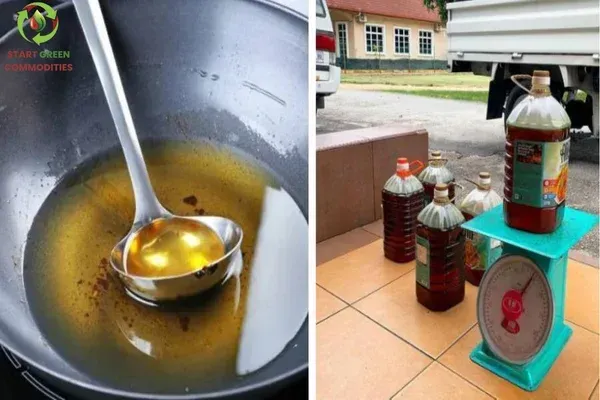
The recycling journey starts right after the oil’s final use in cooking. Once it’s too degraded for frying or food preparation, it becomes “used cooking oil.” From here, a licensed waste oil removal company steps in.
Here’s how the process begins:
Collection Containers: Restaurants store their waste oil in secure, leak-proof containers.
Scheduled Pickup: Trained technicians collect the oil using specialized vehicles.
Transport: The oil is transported to a recycling or processing facility for treatment.
This stage ensures that the oil doesn’t contaminate the environment. Modern collection systems also help track the volume of oil recycled, contributing to environmental reporting and sustainability metrics for businesses.
For many restaurants and commercial kitchens, working with certified recyclers like Start Green Commodities not only ensures compliance with waste regulations but also supports the broader goal of sustainable resource recovery.
Step 1: The Cooking Oil Recycling Process
Once the waste oil reaches a recycling plant, it goes through a carefully designed cooking oil recycling process. This step is critical because it prepares the used oil for conversion into valuable products.
The process typically involves:
Pre-treatment: Removing large food particles, water, and other impurities.
De-acidification: Reducing the free fatty acid content to make the oil suitable for biodiesel conversion.
Separation: Using centrifuges or decanting systems to isolate usable oil from sludge and waste.
After these steps, the oil is clean enough for further processing. Depending on its quality, it may be directed toward biodiesel production, animal feed, or industrial applications.
Step 2: Filtration and Purification
At this stage, the recycled oil undergoes filtration and purification, which are essential for producing a high-quality end product. This phase removes moisture, solids, and any trace contaminants that might affect downstream processes.
Filtration Systems: Fine mesh filters remove micro-impurities.
Dehydration: The oil is heated to evaporate excess water.
Chemical Neutralization: Neutralizing agents balance pH and remove residual acids.
The result is a cleaner, refined oil—ready for transformation into biodiesel or other renewable materials. This phase ensures that every drop of waste cooking oil contributes to sustainability rather than pollution.
Step 3: Conversion to Biodiesel The Sustainable Energy Revolution
The most common and impactful use of recycled oil is in biodiesel production. Biodiesel is a renewable, biodegradable fuel that can replace or blend with traditional diesel.
The Biodiesel Production Process
Transesterification: The purified oil is mixed with alcohol (usually methanol) and a catalyst (like sodium hydroxide).
Reaction: The mixture separates into two layers biodiesel on top and glycerin on the bottom.
Purification: The biodiesel is washed, filtered, and tested for quality standards.
This process transforms waste oil into a clean-burning alternative that significantly reduces emissions of carbon monoxide, particulate matter, and greenhouse gases.
Environmental Benefits of Biodiesel
Reduces CO₂ emissions by up to 80% compared to fossil fuels.
Supports energy independence by reducing reliance on petroleum.
Produces less air pollution and no sulfur dioxide.
Fully biodegradable and non-toxic.
The beauty of biodiesel lies in its circular economy design turning waste into fuel that powers vehicles, machinery, and even public transport systems.
Step 4: From Biodiesel to the Real World
After production, biodiesel is distributed to fuel companies or government fleets, where it powers trucks, tractors, and generators. In many cities, public transportation now relies on biodiesel derived from recycled cooking oil, showcasing a true waste-to-energy transformation.
Airlines are also experimenting with sustainable aviation fuels (SAFs) made from waste oils to reduce carbon footprints. The future of green transportation is directly tied to what happens in the cooking oil recycling process today.
Beyond fuel, the by-product glycerin is repurposed for industrial use in soaps, cosmetics, and pharmaceuticals ensuring nothing goes to waste.
Beyond Biodiesel: Other Uses of Recycled Cooking Oil
While biodiesel is the most common output, waste cooking oil has many other sustainable uses:
Bioplastics: Used oils can be processed into biodegradable plastics, reducing plastic pollution.
Lubricants: Refined oils act as base materials for eco-friendly lubricants used in industrial machinery.
Animal Feed: After careful treatment, certain recycled oils are used in livestock feed formulations.
Composting and Biochar: Low-grade waste oil can contribute to soil enrichment and carbon sequestration.
Energy Generation: Some recycling facilities use waste oil in biofuel generators to power their operations.
Each use helps close the loop transforming kitchen waste into a sustainable, reusable resource.
Environmental Benefits of Cooking Oil Recycling
Recycling waste cooking oil doesn’t just reduce waste it protects our planet. Here’s how:
1. Prevents Water Pollution
When poured down the drain, oil coats water surfaces, suffocating aquatic life and damaging ecosystems. Recycling stops that at the source.
2. Reduces Carbon Footprint
Every gallon of recycled oil turned into biodiesel prevents up to 16 pounds of carbon dioxide emissions from entering the atmosphere.
3. Minimizes Landfill Waste
Cooking oil recycling diverts millions of gallons from landfills annually, reducing soil contamination and waste management costs.
4. Conserves Natural Resources
Recycled oils reduce the need for virgin vegetable oils in biofuel and industrial production, saving land, water, and energy.
5. Encourages Sustainable Business Practices
By participating in recycling programs, restaurants and industries demonstrate environmental responsibility, aligning with green consumer values and sustainability certifications.
Economic and Social Impact of Used Cooking Oil Recycling
Beyond its environmental impact, used cooking oil recycling offers tangible economic and social benefits:
Job Creation: Recycling operations generate employment in logistics, engineering, and renewable energy sectors.
Energy Independence: Countries producing biodiesel locally rely less on imported fossil fuels.
Revenue for Businesses: Some recyclers offer rebates for large oil volumes, turning waste into income.
Community Health: Proper disposal prevents sewer backups, foul odors, and pest infestations in urban areas.
By promoting sustainable waste management, recycling becomes both a business opportunity and a social responsibility.
Common Myths About Waste Cooking Oil Recycling
Myth 1: Recycled Cooking Oil Can Be Used Again for Cooking
False. Recycled oil is never reused for food it’s repurposed for industrial or energy applications only.
Myth 2: It’s Too Expensive to Recycle
Actually, most recycling services provide free containers and pickups, making it affordable for restaurants and businesses.
Myth 3: Small Businesses Can’t Make an Impact
Even a single restaurant recycling consistently can prevent thousands of gallons of pollution each year.
Myth 4: Waste Oil Has No Value
On the contrary, waste oil is a vital raw material in biodiesel production and green manufacturing industries.
How You Can Get Involved
If you operate a restaurant, catering service, or food manufacturing business, joining a recycling program is simple and impactful.
Steps to Start Recycling Waste Cooking Oil:
Contact a Licensed Recycler: Partner with certified companies such as Start Green Commodities.
Store Oil Safely: Use secure, labeled containers away from drains or heat sources.
Schedule Pickups: Set regular collection times to prevent overflow and contamination.
Keep Records: Maintain recycling documentation for audits and environmental reports.
Even households can participate by collecting their oil and bringing it to community recycling events or drop-off centers.
Final Thoughts: Turning Kitchen Waste into a Cleaner Future
The next time you fry food or clean your restaurant kitchen, remember that waste cooking oil doesn’t have to end up as pollution it can become part of a cleaner, renewable future.
Through efficient cooking oil recycling processes, that waste transforms into biodiesel, bio-lubricants, and other sustainable products that reduce emissions and conserve resources.
When you choose to recycle, you’re not just managing waste you’re fueling progress toward a greener planet.
Working with responsible recycling partners like Start Green Commodities ensures your waste oil contributes to meaningful environmental change, powering vehicles, industries, and communities with cleaner, sustainable energy.
Together, we can turn every drop of waste into a spark of renewal making sustainability not just an option, but a legacy for the generations to come.