The Complete Guide to Used Cooking Oil Collection for Restaurants in Ventura
Introdution:
Running a successful restaurant in Ventura is about more than serving delicious food. Behind every busy kitchen is a system that keeps operations clean, efficient, and environmentally responsible. One of the most overlooked parts of restaurant operations is managing used cooking oil properly. Without an organized plan for used cooking oil recycling, restaurants can face clogged drains, unpleasant odors, plumbing damage, environmental penalties, and unnecessary operational costs.
Today, restaurant owners across Ventura are realizing that professional oil collection services are not just a convenience they are an essential part of modern restaurant waste management. Whether you operate a fast-food chain, café, food truck, hotel kitchen, or fine dining restaurant, having a proper oil recycling strategy protects your business and supports sustainability goals.
This complete guide explains everything restaurant owners need to know about used cooking oil collection in Ventura, including why recycling matters, how collection works, the benefits of professional services, grease trap maintenance tips, compliance requirements, and how to choose the right partner for your restaurant.
Why Used Cooking Oil Recycling Matters for Restaurants
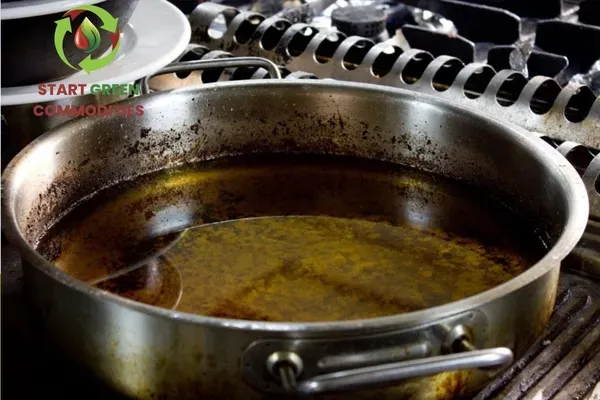
Every commercial kitchen produces waste oil. Fryers, grills, and cooking stations generate gallons of used oil every week. When that oil is not handled properly, it can create major operational and environmental problems.
Many restaurant owners underestimate how damaging improper oil disposal can be. Pouring grease down drains may seem convenient, but it can lead to severe plumbing blockages, sewer overflows, and costly repairs. In Ventura, local environmental regulations also require restaurants to follow safe disposal practices.
That is why used cooking oil recycling has become a critical component of restaurant operations.
Environmental Benefits
Recycling used cooking oil helps reduce pollution and keeps harmful waste out of local water systems. Instead of ending up in landfills or sewer systems, recycled oil can be converted into renewable fuels like biodiesel.
This creates a cleaner and more sustainable waste cycle while reducing carbon emissions.
Restaurants that adopt eco-friendly recycling practices also improve their public image. Customers increasingly support businesses that prioritize sustainability and environmental responsibility.
Understanding the Used Cooking Oil Collection Process
Many restaurant owners know they need oil collection services but are unsure how the process actually works.
Professional collection companies simplify the process through safe storage, scheduled pickups, and proper recycling methods.
Step 1: Safe Oil Storage
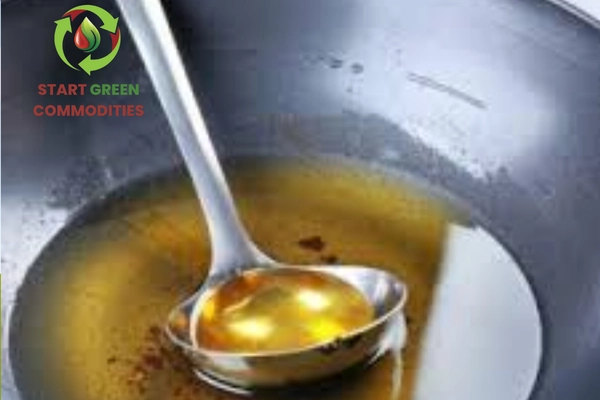
The first step involves storing used cooking oil in secure containers. Most collection providers offer specialized tanks or containers designed for commercial kitchens.
These containers help prevent:
Oil spills
Contamination
Strong odors
Pest problems
Workplace accidents
Proper storage is especially important in busy Ventura kitchens where space management and safety are essential.
Step 2: Scheduled Oil Pickups
A professional recycling company schedules routine pickups based on your restaurant’s oil usage volume.
High-volume restaurants may require weekly pickups, while smaller establishments might only need biweekly or monthly service.
Reliable pickup scheduling ensures your kitchen never overflows with waste oil.
Step 3: Transportation and Recycling
Once collected, the oil is transported to processing facilities where it is filtered and recycled into usable products such as biodiesel, animal feed additives, or industrial lubricants.
This process supports sustainability while helping restaurants reduce environmental waste.
The Connection Between Restaurant Waste Management and Oil Recycling
Effective restaurant waste management involves much more than taking out the trash. Restaurants generate multiple forms of waste daily, including food scraps, packaging, grease, wastewater, and cooking oil.
Without proper systems in place, waste management problems can quickly affect operations, customer experience, and compliance.
Used cooking oil recycling plays a major role in creating a cleaner and more organized kitchen environment.
Reduced Plumbing Problems
One of the biggest benefits of proper oil collection is preventing grease buildup inside plumbing systems.
When grease enters drains, it cools and solidifies. Over time, this creates severe blockages that can shut down kitchen operations.
Professional oil collection dramatically reduces the amount of grease entering drainage systems.
Improved Kitchen Safety
Oil spills are a major slip-and-fall hazard in restaurants.
Using proper storage containers and scheduled collection services keeps used oil organized and minimizes workplace accidents.
Better Compliance
Ventura restaurants must comply with environmental health and wastewater regulations. Proper oil recycling helps businesses meet these standards and avoid penalties.
Why Ventura Restaurants Need Professional Oil Collection Services
Ventura’s restaurant industry continues to grow, and sustainability expectations are increasing alongside it.
Restaurants are now expected to maintain responsible waste disposal practices while operating efficiently.
Professional collection services provide several important advantages.
Time Savings
Restaurant staff already manage demanding workloads. Handling waste oil internally creates additional labor and safety concerns.
Professional collection services streamline the process and allow employees to focus on customer service and food preparation.
Cleaner Facilities
Overflowing oil containers create unpleasant odors and attract pests.
Routine pickups keep kitchens cleaner and more sanitary.
Cost Reduction
Ignoring oil disposal issues often leads to expensive plumbing repairs, emergency drain cleaning, and health code violations.
Preventive recycling services help restaurants avoid these unnecessary costs.
Sustainability Branding
Modern customers care about environmentally responsible businesses.
Restaurants that participate in used cooking oil recycling demonstrate a commitment to sustainability that appeals to eco-conscious diners.
How Grease Trap Maintenance Supports Oil Recycling
Many restaurant owners treat grease trap maintenance and oil recycling as separate tasks, but they actually work together.
A grease trap captures fats, oils, and grease before they enter sewer systems. Without regular maintenance, grease traps become overloaded and ineffective.
This creates several operational problems.
Signs Your Grease Trap Needs Maintenance
Common warning signs include:
Slow drains
Strong kitchen odors
Overflowing grease
Increased pest activity
Frequent plumbing backups
If your restaurant experiences any of these issues, immediate grease trap maintenance may be necessary.
Benefits of Regular Maintenance
Routine grease trap cleaning helps:
Prevent sewer blockages
Reduce odors
Improve kitchen sanitation
Maintain compliance
Extend plumbing lifespan
Restaurants that combine professional oil collection with consistent grease trap maintenance create a far more effective waste management system.
Choosing the Right Used Cooking Oil Recycling Partner in Ventura
Not all recycling companies offer the same quality of service. Choosing the right provider can significantly impact your restaurant operations.
Here are key factors to consider.
Reliability
Consistent pickups are essential. Delayed collections can create storage issues and operational disruptions.
Choose a company known for dependable scheduling and responsive customer support.
Safety Standards
Professional providers should use secure storage containers and follow safe handling procedures.
Safety reduces risks for both restaurant staff and the environment.
Experience with Restaurant Waste Management
Restaurants have unique operational needs. An experienced provider understands commercial kitchen challenges and can recommend efficient solutions.
Sustainability Commitment
Look for a company that prioritizes environmentally responsible recycling practices.
Many Ventura restaurants now choose partners focused on renewable energy and sustainable waste processing.
For restaurants looking for professional oil collection and recycling solutions, services like NW Grease Services provide support for safer and cleaner kitchen operations.
Best Practices for Restaurants Handling Used Cooking Oil
Even with professional collection services, restaurant staff should follow best practices to improve safety and efficiency.
Train Employees Properly
Kitchen staff should understand:
How to safely transfer oil
Where to store used oil
Emergency spill procedures
Proper disposal protocols
Employee training reduces accidents and contamination.
Never Pour Oil Down Drains
This remains one of the most common mistakes in restaurants.
Even small amounts of grease can accumulate over time and create major plumbing issues.
Monitor Oil Quality
Overused cooking oil affects food taste and quality.
Monitoring oil conditions helps maintain food standards while improving recycling efficiency.
Keep Storage Areas Clean
Oil storage areas should remain dry, organized, and accessible for collection services.
This improves workplace safety and sanitation.
The Financial Impact of Poor Oil Disposal
Many restaurants only recognize the importance of recycling after costly problems appear.
Improper disposal can lead to:
Plumbing repairs
Sewer fines
Drain cleaning costs
Health inspection violations
Kitchen shutdowns
Reputation damage
These issues can become extremely expensive for Ventura restaurant owners.
Investing in professional used cooking oil recycling services is often far more affordable than handling emergency repairs and compliance violations later.
Sustainability Trends in the Ventura Restaurant Industry
Sustainability is no longer optional in the food service industry.
Customers increasingly prefer restaurants that demonstrate environmental responsibility.
Ventura businesses are adopting greener practices such as:
Recycling programs
Composting systems
Energy-efficient equipment
Sustainable packaging
Grease recycling services
Restaurants that embrace eco-friendly operations gain competitive advantages while supporting local environmental goals.
Used cooking oil recycling is one of the easiest and most effective ways to participate in sustainability initiatives.
How Oil Recycling Supports Renewable Energy
One of the biggest advantages of recycling cooking oil is its contribution to renewable energy production.
Recycled oil can be processed into biodiesel fuel, which burns cleaner than traditional petroleum diesel.
This reduces greenhouse gas emissions and supports cleaner transportation systems.
Restaurants participating in recycling programs become part of a larger sustainability network that benefits both local communities and the environment.
Common Mistakes Restaurants Make with Oil Disposal
Avoiding these mistakes can save Ventura restaurants significant time and money.
Using Improper Containers
Unsecured buckets or damaged containers increase spill risks.
Professional storage systems are safer and more efficient.
Skipping Grease Trap Cleaning
Delaying grease trap maintenance leads to backups and compliance issues.
Routine service is essential.
Waiting Too Long for Pickups
Overflowing oil storage areas create sanitation and safety hazards.
Regular scheduling prevents these problems.
Ignoring Compliance Requirements
Restaurants must follow local disposal regulations.
Failure to comply can result in fines and operational disruptions.
Building a Long-Term Waste Management Strategy
Restaurants that succeed long-term often treat waste management as part of their operational strategy rather than an afterthought.
An effective system includes:
Scheduled oil collection
Routine grease trap maintenance
Staff training
Recycling partnerships
Compliance monitoring
This integrated approach improves efficiency, lowers costs, and supports sustainability goals.
Restaurant owners can also learn more about sustainable disposal practices through resources like used cooking oil recycling guide to better understand eco-friendly kitchen operations.
Final Thoughts
Managing used cooking oil properly is essential for every Ventura restaurant. From preventing plumbing disasters to supporting environmental sustainability, professional oil collection services provide major operational and financial benefits.
Modern restaurants cannot afford to ignore responsible waste handling practices. A strong used cooking oil recycling program improves kitchen safety, supports restaurant waste management, reduces environmental impact, and helps businesses remain compliant with local regulations.
When combined with regular grease trap maintenance, oil recycling creates a cleaner, safer, and more efficient commercial kitchen.
As Ventura’s restaurant industry continues to evolve, sustainability and operational efficiency will become even more important. Restaurants that invest in responsible recycling solutions today position themselves for stronger long-term success tomorrow.