What Happens to Waste Cooking Oil After You Recycle It
Table of Contents
Introduction: The Hidden Journey of Waste Cooking Oil
Why Recycling Waste Cooking Oil Matters
What Counts as Waste Cooking Oil
The First Step: Collection and Storage
Step Two: Transportation to Recycling Facilities
Inside the Cooking Oil Recycling Process
Filtration and Purification: Giving Waste Oil a Second Life
Conversion: Transforming Oil Into Biodiesel
Understanding Biodiesel Production and Its Environmental Impact
Beyond Biodiesel: Other Uses of Recycled Oil
Oil Recycling Environment: How Recycling Helps the Planet
Economic and Social Benefits of Cooking Oil Recycling
Common Myths About Oil Recycling
How Restaurants and Households Can Participate in Oil Recycling
Challenges in the Oil Recycling Process
Innovations in Waste Cooking Oil Management
The Future of Oil Recycling and Renewable Energy
Conclusion: Small Actions, Big Environmental Impact
Introduction: The Hidden Journey of Waste Cooking Oil
Every time we fry, grill, or deep-cook food, we create a byproduct most of us don’t think twice about — waste cooking oil. For decades, this leftover oil was seen as a problem: smelly, messy, and useless. Many people simply poured it down the drain or tossed it in the trash. But today, that perception is changing rapidly.
Thanks to global awareness about sustainability and clean energy, waste cooking oil is no longer waste it’s a valuable raw material. Through advanced recycling processes, it’s transformed into biodiesel, soaps, lubricants, and even animal feed.
But what exactly happens after you recycle your used oil? Where does it go, and how is it turned into something useful again? Let’s explore the complete journey of waste cooking oil from your kitchen to the green energy pipelines powering the future.
Why Recycling Waste Cooking Oil Matters
At first glance, it might seem like a small act recycling your leftover oil instead of dumping it. Yet, this single decision creates an enormous ripple effect. When waste cooking oil is recycled properly, it:
Prevents water and soil pollution
Reduces greenhouse gas emissions
Supports clean energy generation
Decreases dependence on fossil fuels
Promotes circular economy and sustainability
In short, oil recycling transforms everyday waste into an opportunity for environmental restoration and sustainable growth.
What Counts as Waste Cooking Oil
Waste cooking oil (WCO) refers to any type of oil or fat that has been used for frying or cooking and can no longer be reused safely in food preparation.
This includes:
Vegetable oils (sunflower, canola, soybean, etc.)
Animal fats used in deep-frying
Mixed kitchen oils from restaurants and catering services
Whether it’s from a small household or a large fast-food chain, all waste oil can be collected, treated, and repurposed through a cooking oil recycling process designed for safety and sustainability.
The First Step: Collection and Storage
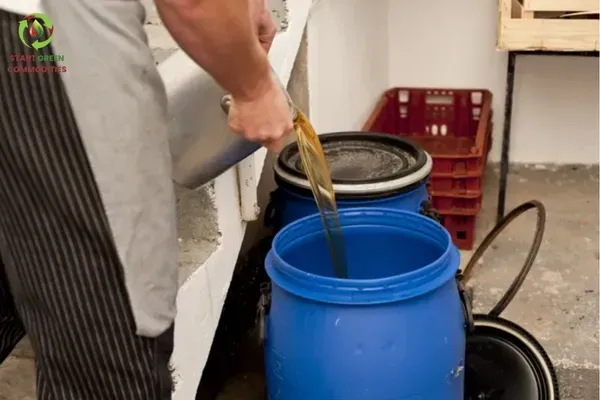
The journey begins at the source your kitchen, restaurant, or food facility. Waste cooking oil must be stored carefully to ensure quality during recycling.
Best practices for collection include:
Allowing the oil to cool before storing
Using clean, sealed containers to prevent contamination
Avoiding the mixing of water, chemicals, or solid waste with the oil
Professional recycling companies, like Start Green Commodities, provide labeled collection bins and regular pickup schedules. This ensures that used cooking oil is managed properly and safely transported for further processing.
Step Two: Transportation to Recycling Facilities
Once the oil is collected, it’s transported in specialized vehicles equipped to handle liquid waste. During this stage, recyclers weigh, record, and analyze the oil to determine its purity and potential use.
Most waste cooking oil is destined for biodiesel production, but some portions may go toward soap-making or industrial lubricants, depending on quality and composition.
Inside the Cooking Oil Recycling Process
Now comes the fascinating part turning dirty, greasy waste oil into something valuable. The cooking oil recycling process typically involves these main stages:
1. Filtration
Solid food particles and debris are removed using industrial strainers or filters.
2. Dehydration
Water and moisture are eliminated through heating or chemical drying to prevent impurities.
3. Refinement
The clean oil is treated with catalysts or chemicals to remove free fatty acids and neutralize contaminants.
4. Conversion
Finally, the refined oil undergoes transesterification a process that converts triglycerides (fats) into biodiesel and glycerin.
Each of these steps ensures that the recycled oil meets environmental and industrial standards, making it safe for reuse in multiple industries.
Filtration and Purification: Giving Waste Oil a Second Life
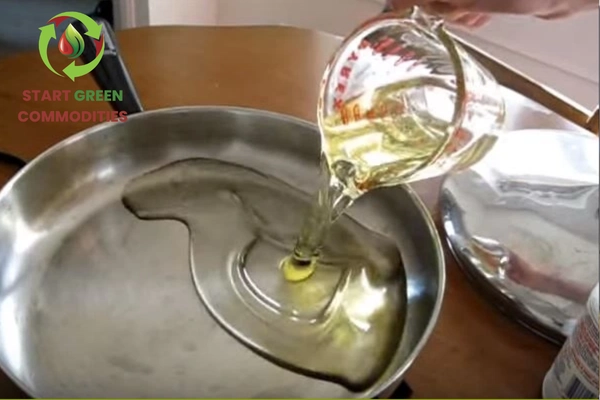
After filtration, the oil still contains chemical impurities that must be neutralized. Using heat and catalysts, recyclers break down fatty molecules and purify the oil.
This step is critical for oil recycling environments, ensuring that every drop meets the standards needed for biodiesel production or other sustainable uses.
The result is a clean, refined oil base ready to re-enter the global green energy market a perfect example of how waste cooking oil can be turned from pollutant to product.
Conversion: Transforming Oil Into Biodiesel
The conversion phase is where the real magic happens. Through transesterification, the oil’s fat molecules react with an alcohol (usually methanol) and a catalyst (like sodium hydroxide) to produce biodiesel and glycerin.
The biodiesel produced is a clean-burning, renewable alternative to fossil fuels. It can power trucks, ships, and even generators, drastically reducing carbon emissions.
Meanwhile, glycerin, the byproduct, is used in making soaps, cosmetics, and other industrial products.
This transformation is one of the most important achievements in the modern oil recycling process turning kitchen waste into clean, sustainable fuel.
Understanding Biodiesel Production and Its Environmental Impact
Biodiesel production from waste cooking oil is one of the world’s most impactful environmental innovations. Unlike fossil fuels, biodiesel is biodegradable and non-toxic.
Environmental Benefits of Biodiesel from Waste Cooking Oil
Reduced Carbon Emissions – Up to 80% fewer CO₂ emissions compared to petroleum diesel.
Lower Air Pollution – Less sulfur, particulates, and toxins released into the atmosphere.
Energy Efficiency – Biodiesel from waste oil consumes less energy in production than new oil-based fuels.
Waste Utilization – Prevents harmful oil dumping in sewers and landfills.
By embracing biodiesel production, societies can simultaneously address waste management and renewable energy challenges.
Beyond Biodiesel: Other Uses of Recycled Oil
While biodiesel is the most recognized outcome of recycling waste cooking oil, it’s far from the only one. Depending on refinement levels, recycled oil can also be used for:
Industrial lubricants (machinery and hydraulic systems)
Animal feed additives (after purification)
Soap and detergent manufacturing
Power generation fuel for factories and plants
This versatility makes oil recycling one of the most efficient and eco-friendly waste management solutions available today.
Oil Recycling Environment: How Recycling Helps the Planet
The environmental benefits of oil recycling are profound. By reducing pollution and conserving resources, this simple process helps combat multiple global challenges.
Protects Waterways: One liter of oil can contaminate up to a million liters of water. Recycling prevents that.
Reduces Greenhouse Gases: Fewer methane and carbon dioxide emissions.
Conserves Energy: Producing biodiesel requires less energy than refining crude oil.
Supports Circular Economy: Keeps valuable resources in use rather than letting them rot in landfills.
Every liter of waste cooking oil recycled is a victory for the environment and future generations.
Economic and Social Benefits of Cooking Oil Recycling
Beyond its environmental value, oil recycling offers huge economic advantages:
Job Creation: Collection, transportation, and processing create thousands of green jobs globally.
Revenue Streams for Businesses: Restaurants can earn income by selling waste oil to recyclers.
Lower Maintenance Costs: Less drain blockage and municipal waste management expenses.
Energy Independence: Countries can reduce reliance on imported fossil fuels.
Sustainability is no longer just about saving the planet it’s about building resilient green economies.
Common Myths About Oil Recycling
Myth: All waste oil is useless.
Truth: Used oil can be recycled into multiple valuable products.Myth: Recycling oil is too costly.
Truth: It’s highly cost-effective when managed through proper systems.Myth: Only large industries can recycle oil.
Truth: Households, restaurants, and small kitchens can all participate easily.
These misconceptions prevent many people from engaging in oil recycling, but awareness is rapidly changing that narrative.
How Restaurants and Households Can Participate in Oil Recycling
Getting involved in the cooking oil recycling process is simpler than most people think.
Here’s how you can start:
Store your used oil in sealed containers.
Contact a local oil collection company.
Schedule regular pickups.
Educate staff or family about oil segregation.
Even small amounts, when combined across thousands of kitchens, make a major environmental difference.
Challenges in the Oil Recycling Process
While oil recycling is a game changer, it faces some challenges:
Contamination: Food particles and chemicals reduce oil quality.
Collection logistics: Difficulties in gathering small household quantities.
Market demand fluctuations: Changes in fuel prices affect biodiesel profitability.
Still, continuous innovation and awareness campaigns are helping overcome these hurdles and strengthen the global oil recycling ecosystem.
Innovations in Waste Cooking Oil Management
The world of oil recycling is evolving fast. New technologies are improving efficiency and scalability.
AI-powered sorting and filtration systems
IoT-based oil monitoring sensors
Microbial biodiesel technology that uses enzymes to enhance conversion
Blockchain tracking for transparent, traceable recycling networks
These innovations not only make the process cleaner and faster but also ensure compliance with global sustainability standards.
The Future of Oil Recycling and Renewable Energy
As governments tighten carbon regulations and industries seek cleaner fuels, waste cooking oil recycling will play an even bigger role in global energy systems.
Future policies will likely promote:
Wider biodiesel adoption
Incentives for small-scale recyclers
Smart waste collection networks
Integration with renewable energy grids
The potential is limitless turning yesterday’s waste into tomorrow’s clean power source.
Conclusion: Small Actions, Big Environmental Impact
So, what really happens to waste cooking oil after you recycle it? It embarks on a transformative journey from greasy kitchen residue to clean, renewable energy. Through advanced processes like filtration, purification, and biodiesel production, your waste becomes part of a larger movement toward sustainability and environmental stewardship.
Every drop recycled keeps our waters cleaner, our air purer, and our future brighter. The next time you finish cooking, remember your leftover oil isn’t waste. It’s potential. And together, by recycling it responsibly, we can fuel a cleaner, greener tomorrow.