What Is Used Cooking Oil Recycling and Why Does It Matter?
Introduction:
If you've spent any time around a commercial kitchen, you've heard the phrase "used cooking oil recycling" thrown around usually in the context of scheduling a pickup or checking a compliance box. But if you stopped and asked most people to actually explain what that phrase means, and why it matters beyond just getting a barrel out of the back of the kitchen, you'd probably get a fairly vague answer. This post exists to fix that. It has one job: to clearly explain what used cooking oil recycling actually is, and why it genuinely matters for restaurants, for communities, and for the environment.
It's a topic that gets mentioned constantly in the restaurant world, yet rarely gets explained from the ground up. Most owners simply inherit the practice a provider gets hired, containers get placed, pickups happen without anyone walking through the actual reasoning behind why it's worth doing properly in the first place. That's the gap this post is meant to close.
The One Idea This Post Is Built Around
Before getting into the details, it's worth being direct about the scope here. This isn't a roundup of ten different restaurant sustainability tips, and it's not a sales pitch dressed up as an explainer. It's a focused answer to one question, approached from a few different angles: what is used cooking oil recycling, and why does it deserve real attention rather than being treated as an afterthought. Everything below serves that single purpose.
What Used Cooking Oil Actually Is
Before defining recycling, it helps to define the thing being recycled. Used cooking oil sometimes called UCO in the waste management industry is the oil left over after commercial kitchens use it for frying. Restaurants, fast food chains, food trucks, and caterers all produce this byproduct in some quantity, depending on how much frying their menu involves.
Once oil has gone through repeated use in a fryer, it degrades. It picks up food particles, changes in chemical composition, and eventually becomes unsuitable for continued cooking use. At that point, it becomes waste unless a proper system exists to give it a second purpose instead.
This happens gradually, batch after batch, until a kitchen reaches the point where the oil needs to be swapped out entirely. For a high-volume fryer operation, this can happen multiple times a week. For a smaller kitchen with limited frying, it might happen less often but the underlying reality is the same for every restaurant that fries food: at some point, that oil reaches the end of its useful life in the kitchen, and a decision has to be made about where it goes next.
What Used Cooking Oil Recycling Actually Means
At its core, used cooking oil recycling is the process of collecting that spent oil and converting it into something genuinely useful, rather than treating it as garbage to be discarded. Instead of pouring it down a drain or throwing it in the trash, the oil gets picked up, transported, filtered, and processed most commonly into biodiesel, a renewable fuel source.
This is a meaningfully different concept than simple cooking oil disposal. Disposal implies the oil is just being gotten rid of, with no further purpose. Recycling implies the oil has a destination and a value beyond the kitchen it came from. That distinction matters more than it might initially seem, because it changes how restaurants and the broader public think about this particular waste stream.
Consider the difference in how these two framings shape behavior. A restaurant that thinks of oil handling purely as "disposal" tends to treat it as a chore to minimize get it out the door, don't think about it further. A restaurant that understands it as "recycling" tends to engage with the process more intentionally, because there's a clear sense that the effort connects to something with real value on the other end.
How the Recycling Process Actually Works
Understanding the mechanics helps make the concept feel less abstract. Here's a straightforward walkthrough of what typically happens.
Collection
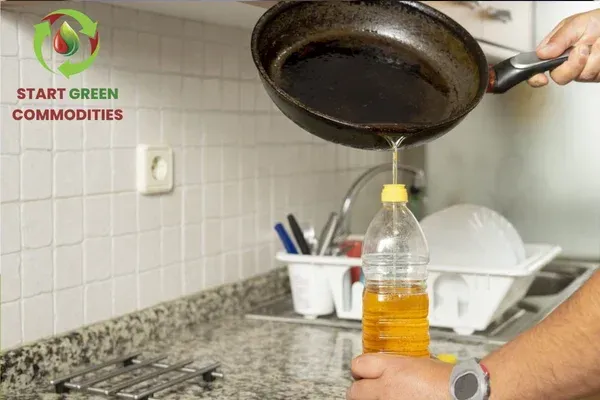
A recycling provider supplies sealed, secure containers to a restaurant's kitchen. Staff pour used oil into these containers as part of their normal closing routine, instead of using a drain or trash bin. This step is fairly simple on the restaurant's end the real complexity happens further down the chain.
It's worth pointing out just how little this step asks of a restaurant relative to the outcome it enables. There's no special equipment to buy, no complicated new workflow to learn just a habit shift that redirects oil into a designated container instead of wherever it might have gone before. Everything more involved happens after the oil leaves the kitchen.
Transportation
On a scheduled basis, a licensed hauler collects the full containers and transports the oil to a processing facility. This transport typically consolidates oil from multiple restaurants in a region, since a single kitchen rarely produces enough volume to justify a dedicated pickup trip.
Filtering and Processing
At the processing facility, the oil goes through filtration to remove food particles, water, and other contaminants. Once cleaned, it's converted most commonly through a chemical process that transforms it into biodiesel, a fuel that can be used in diesel engines either on its own or blended with traditional petroleum diesel.
Distribution
The finished biodiesel enters the fuel supply chain, eventually powering vehicles, delivery trucks, and various types of equipment. What began as spent fryer oil in a restaurant kitchen ends up doing genuine, measurable work as a renewable fuel source.
Why Proper Waste Oil Management Matters So Much
It would be easy to assume this is simply a nice-to-have practice a small environmental gesture that doesn't carry much real weight. But proper waste oil management actually matters for several distinct, concrete reasons, each worth understanding on its own.
It Protects Plumbing Infrastructure
Used cooking oil poured down a drain doesn't behave like water. It cools and solidifies, gradually narrowing pipes until clogs and backups become inevitable. This isn't just a restaurant-level problem at scale, improperly disposed oil is one of the leading contributors to municipal sewer backups, which affects entire communities, not just the kitchen that poured the oil.
Municipal water agencies across many regions actively track these incidents and have documented how much of the burden traces back to restaurant fats, oils, and grease specifically. That's not a coincidence it's a direct, well-understood consequence of the same disposal mistake happening repeatedly across thousands of kitchens.
It Prevents Water Contamination
Oil that makes its way into sewer systems or waterways creates genuine environmental harm. It can disrupt aquatic ecosystems, contaminate water sources, and create costly cleanup burdens for local water agencies. Proper recycling keeps that oil out of waterways entirely, redirecting it toward a productive use instead.
It Reduces Fire Risk
Improperly stored used cooking oil left in open containers or near heat sources is a genuine fire hazard. Grease fires are among the more dangerous and hard-to-contain types of kitchen fires. A proper recycling system, with sealed containers and scheduled pickup, significantly reduces this risk simply by ensuring oil doesn't sit around accumulating in unsafe conditions.
It Keeps Restaurants Compliant
Most cities and counties have specific regulations governing how commercial kitchens handle fats, oils, and grease. A restaurant without a documented recycling process is exposed to potential fines and increased scrutiny during health inspections. Recycling, done through a licensed provider, comes with documentation that demonstrates compliance clearly and consistently.
It Displaces Petroleum-Based Fuel
This is the piece that connects restaurant-level recycling to a much bigger environmental picture. Every gallon of used cooking oil converted into biodiesel is a gallon of renewable fuel that displaces petroleum diesel somewhere in the supply chain. Multiply that across the volume of restaurants recycling consistently, and the cumulative impact becomes genuinely significant not a symbolic gesture, but a measurable contribution to reducing reliance on fossil fuels.
It's worth sitting with the scale of this for a moment. A single restaurant's oil output might feel small in isolation, but the restaurant industry as a whole produces enormous volumes of used cooking oil every year. When that volume is captured and converted rather than wasted, it represents a substantial, ongoing source of renewable fuel one that doesn't require new drilling, new extraction, or new land use, since it's simply making productive use of a byproduct that already exists.
Why This Distinction Between Disposal and Recycling Matters
It's worth returning to the difference between disposal and recycling, because this distinction shapes how seriously the practice gets taken. When oil is framed purely as something to dispose of, it's easy to treat the whole process as a minor operational chore something handled quickly and without much thought.
When it's understood as recycling, the framing shifts. The oil isn't just being removed from the kitchen; it's being redirected toward a genuinely useful purpose. That shift in framing tends to affect behavior too. Restaurants that understand where their oil is actually going are more likely to take the process seriously proper storage, consistent scheduling, clean collection habits because they understand there's a real destination and purpose behind it, not just an obligation to check off.
We've written more specifically about the disposal side of this topic in our post on <a href=" target="_blank" rel="noopener">proper used cooking oil disposal for restaurants</a>, which covers the practical, step-by-step handling process in more detail than we'll go into here.
Who Actually Benefits From This System
It's worth being specific about who benefits from a properly functioning oil recycling system, because the answer extends further than just the restaurant itself.
Restaurants benefit through reduced plumbing risk, lower compliance exposure, reduced fire hazard, and in some cases, compensation for higher-volume oil supply.
Local communities benefit through reduced strain on municipal sewer infrastructure and lower risk of the water contamination incidents tied to improperly disposed grease and oil, which in turn means fewer taxpayer dollars spent on emergency infrastructure repairs.
The renewable fuel industry benefits from a consistent supply of raw material that doesn't require new extraction or drilling, unlike petroleum-based diesel production, which continues to carry significant environmental and geopolitical costs.
The environment benefits from reduced landfill waste, reduced water contamination, and a genuine reduction in reliance on fossil fuels through the biodiesel this oil eventually becomes.
It's rare to find a practice where the benefits stack up this cleanly across so many different groups, without significant trade-offs on any side. That's part of why used cooking oil recycling deserves more attention than it typically gets.
Most environmental or operational improvements involve some kind of trade-off a cost that has to be weighed against a benefit, a convenience that has to be sacrificed for a principle. Oil recycling is unusual in that the trade-offs are minimal. Restaurants aren't giving up anything meaningful by participating; they're simply redirecting a byproduct they were already producing toward a better outcome than the alternative.
Common Misunderstandings Worth Clearing Up
A few misconceptions tend to come up repeatedly when this topic gets discussed, and it's worth addressing them directly, since clearing them up makes the case for taking this practice seriously even stronger.
"It's just about getting rid of a mess." As covered above, recycling is fundamentally different from disposal the oil has a genuine destination and purpose, not just an exit from the kitchen.
"My restaurant doesn't produce enough oil to matter." Even smaller kitchens benefit from proper handling, both for their own compliance standing and because every gallon recycled contributes to the larger cumulative impact, regardless of individual volume.
"This is only relevant for large chains." Independent restaurants, food trucks, and small commercial kitchens all produce used cooking oil and can all participate in recycling programs scaled appropriately to their volume.
"It's basically the same as any other waste hauling service." Not quite proper oil recycling involves a specific chain of collection, filtration, and processing that turns the material into something usable, unlike general waste hauling, which typically ends at a landfill. For additional perspective on how this specialized process differs from general waste handling across various markets, resources like <a href=" target="_blank" rel="noopener">NW Grease</a> offer useful outside context worth reviewing.
Bringing It All Together
So, to directly answer the question this post set out to address: used cooking oil recycling is the structured process of collecting spent fryer oil from commercial kitchens and converting it into a usable renewable resource, most commonly biodiesel, instead of allowing it to become waste. It matters because it protects plumbing infrastructure, prevents water contamination, reduces fire risk, keeps restaurants compliant, and contributes to a genuine reduction in reliance on petroleum-based fuel.
None of these benefits require a restaurant to overhaul its operations or make a significant investment. They simply require treating a byproduct that's already being produced as something worth managing properly, through a system that already exists and is readily available through licensed local providers.
It's also worth noting that this isn't a niche or experimental practice at this point. Used cooking oil recycling is a well-established, widely used process across the restaurant industry, with clear infrastructure already in place to support it collection providers, processing facilities, and a functioning market for the resulting biodiesel. A restaurant adopting this practice isn't pioneering something new; it's simply plugging into a system that's already proven and already working at scale.
Final Thoughts
Understanding what used cooking oil recycling actually is and why it matters changes how a restaurant approaches the whole process. It stops being a vague compliance obligation and starts being something more concrete: a structured system that protects your kitchen, supports your local community's infrastructure, and contributes to a genuinely renewable fuel supply. That spent oil sitting in the back of your kitchen isn't just waste waiting to be removed. With the right system in place, it's raw material for something with real, ongoing value and understanding that distinction is really the whole point.
If nothing else, the next time someone mentions "oil recycling" in passing, hopefully it no longer sounds like a vague, generic phrase. It's a specific, well-defined process with a clear purpose and now, a much clearer explanation behind it.