Why Used Cooking Oil Is a Valuable Commodity, Not Waste
Introduction:
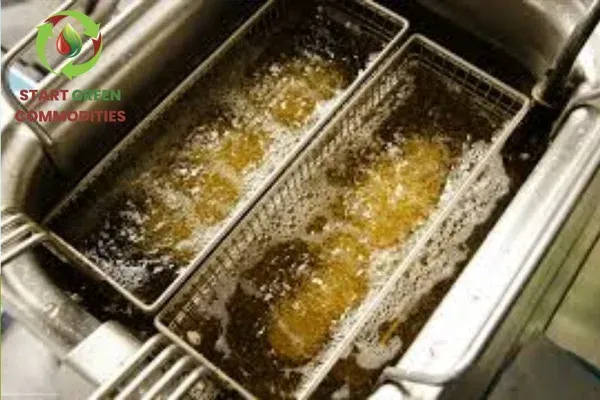
In many commercial kitchens, used cooking oil is often viewed as a messy byproduct that must be discarded as quickly as possible. Restaurants, food trucks, cafeterias, and catering businesses generate significant amounts of waste oil every day, and for years, many operators considered it little more than a disposal problem. However, the reality is very different.
Today, used cooking oil is recognized as a highly valuable commodity with growing demand across multiple industries. Through modern used cooking oil recycling processes, what was once considered waste can now be transformed into renewable fuels, industrial products, animal feed ingredients, and other valuable resources. As sustainability becomes a priority for businesses and consumers alike, used cooking oil has emerged as an important asset in the circular economy.
For restaurants, understanding the value of used oil goes beyond environmental responsibility. Proper recycling can improve operational efficiency, support restaurant sustainability practices, reduce disposal challenges, and contribute to a greener future.
In this comprehensive guide, we’ll explore why used cooking oil is far more valuable than many people realize, how recycling creates economic and environmental benefits, and why restaurants should rethink their approach to restaurant oil disposal.
The Growing Importance of Used Cooking Oil Recycling
The world is becoming increasingly focused on sustainability. Governments, businesses, and consumers are searching for ways to reduce waste and maximize resources. This shift has transformed how industries view used cooking oil.
Instead of being dumped into landfills or sewer systems, waste oil is now collected, processed, and reused in innovative ways. The growing demand for renewable energy has made recycled cooking oil particularly valuable.
As a result, used cooking oil recycling has become a critical component of modern waste management systems.
Restaurants that once paid to dispose of used oil are now participating in recycling programs that support environmental goals while contributing to resource recovery efforts.
Understanding What Makes Used Cooking Oil Valuable
Many restaurant owners wonder why companies are willing to collect used cooking oil.
The answer lies in its versatility.
Even after oil can no longer be used for cooking, it still contains valuable chemical properties that make it suitable for other applications.
Recycled cooking oil can be converted into:
Biodiesel fuel
Renewable diesel
Industrial lubricants
Agricultural products
Soap manufacturing materials
Animal feed additives
Energy generation resources
This ability to transform waste into useful products is what gives used cooking oil significant economic value.
The Journey of Used Cooking Oil After Collection
Many people never think about what happens after oil leaves their kitchen.
The recycling process is surprisingly sophisticated.
Collection
The process begins with professional collection services that gather used oil from restaurants and commercial kitchens.
Collected oil is stored in specialized containers designed to prevent spills and contamination.
Transportation
The oil is transported to recycling facilities where it undergoes inspection and processing.
Filtration and Cleaning
Food particles, water, and contaminants are removed through filtration systems.
This cleaning stage prepares the oil for further refinement.
Conversion
Depending on market demand, the purified oil may be converted into biodiesel, renewable diesel, industrial products, or other recycled materials.
Restaurants interested in learning more about the complete recycling process can explore resources such as the guide on what happens after oil recycling available through Start Green Commodities.
Used Cooking Oil and the Circular Economy
Circular economy is about keeping materials in the economy for as long as possible.
Instead of following a traditional "use and dispose" model, valuable resources are recycled and reused repeatedly.
Used cooking oil is a perfect example of this approach.
The cycle looks like this:
Oil is used for cooking.
Oil is collected after use.
Oil is recycled into new products.
Those products create economic value.
Resources remain in circulation instead of becoming waste.
This process reduces environmental impact while maximizing resource efficiency.
Why Biodiesel Production Drives Demand
One of the primary reasons used cooking oil has become so valuable is biodiesel production.
Biodiesel is a renewable fuel produced from recycled fats and oils.
Biodiesel, in contrast to conventional petroleum diesel, has a number of environmental benefits:
Reduced greenhouse gas emissions
Lower carbon footprint
Cleaner combustion
Improved air quality
Reduced dependence on fossil fuels
As governments and industries continue investing in renewable energy solutions, demand for recycled cooking oil continues to increase.
Every gallon of recycled oil contributes to cleaner transportation systems and sustainable energy production.
Restaurant Oil Disposal: A Cost or an Opportunity?
Historically, restaurant oil disposal was viewed solely as a waste management expense.
Restaurant owners focused on removing oil safely and complying with local regulations.
Today, many businesses recognize that used oil has measurable value.
Proper oil management creates opportunities to:
Improve operational efficiency
Support environmental initiatives
Reduce disposal-related problems
Participate in sustainability programs
Contribute to renewable energy production
Instead of treating oil as waste, restaurants can view it as a resource with ongoing value.
Environmental Benefits of Used Cooking Oil Recycling
The environmental impact of recycling cooking oil cannot be overstated.
Preventing Water Pollution
Improper oil disposal can contaminate rivers, lakes, and oceans.
Oil entering waterways creates serious environmental challenges and harms aquatic ecosystems.
Recycling prevents these pollutants from entering the environment.
Reducing Landfill Waste
When oil is discarded improperly, it contributes to landfill contamination.
Recycling keeps valuable resources out of waste streams.
Supporting Renewable Energy
Every gallon of recycled oil helps produce cleaner fuel alternatives.
This reduces dependence on nonrenewable energy sources.
Lowering Carbon Emissions
Renewable fuels made from recycled oil generate fewer emissions than traditional fossil fuels.
This supports climate change mitigation efforts.
The Financial Value of Recycled Cooking Oil
Used cooking oil has become a tradable commodity in many markets.
The growing renewable energy sector has significantly increased demand for recycled oils and fats.
As a result, recycling companies actively collect used oil because it serves as a feedstock for valuable products.
Several factors influence market value:
Oil quality
Volume collected
Regional demand
Biodiesel market conditions
Transportation costs
Although restaurants may not always receive direct compensation, they benefit from professional collection services and reduced disposal challenges.

How Restaurant Sustainability Practices Benefit from Oil Recycling
Modern consumers care about sustainability.
Many diners actively choose businesses that demonstrate environmental responsibility.
This shift has encouraged restaurants to adopt greener operational practices.
Used cooking oil recycling fits naturally into broader restaurant sustainability practices.
Improving Brand Reputation
Customers appreciate businesses that prioritize environmental stewardship.
Sustainability initiatives can strengthen customer loyalty and trust.
Supporting ESG Goals
Many businesses now track Environmental, Social, and Governance (ESG) performance metrics.
Oil recycling contributes positively to environmental reporting efforts.
Demonstrating Community Responsibility
Restaurants that recycle oil show commitment to local environmental protection initiatives.
This strengthens relationships with customers and communities alike.
Common Misconceptions About Used Cooking Oil
Several myths continue to prevent businesses from maximizing recycling opportunities.
Myth 1: Used Oil Has No Value
Reality: Recycled cooking oil is a valuable industrial resource with multiple commercial applications.
Myth 2: Small Volumes Do Not Matter
Reality: Even modest amounts of oil contribute to recycling programs and renewable fuel production.
Myth 3: Disposal Is Easier Than Recycling
Reality: Professional collection services often make recycling safer and more convenient than improper disposal methods.
Myth 4: Recycling Is Only for Large Restaurants
Reality: Restaurants of all sizes can participate in recycling programs.
Why Improper Disposal Is a Costly Mistake
Restaurants that neglect proper oil management often face significant consequences.
Common problems include:
Drain blockages
Sewer backups
Plumbing repairs
Environmental fines
Health inspection issues
Unpleasant odors
These challenges can quickly become expensive.
Professional recycling programs help restaurants avoid these risks while creating positive environmental outcomes.
Technology Is Increasing the Value of Recycled Oil
Advancements in recycling technology continue expanding the usefulness of used cooking oil.
Modern processing systems can extract greater value from recycled materials than ever before.
Emerging applications include:
Advanced biofuels
Sustainable aviation fuel
Industrial chemicals
Renewable diesel production
Green manufacturing materials
As technology evolves, demand for recycled cooking oil is expected to grow even further.
How Collection Companies Support Sustainability
Professional collection providers play a critical role in the recycling ecosystem.
Their responsibilities include:
Safe storage solutions
Scheduled pickups
Transportation logistics
Recycling coordination
Environmental compliance
Reliable collection services ensure used oil reaches facilities where it can be converted into valuable products.
Businesses seeking professional collection and recycling solutions often work with experienced providers such as NW Grease Services to streamline oil management and support sustainability goals.
The Future of Used Cooking Oil Recycling
Global demand for renewable fuels continues to rise.
Governments around the world are implementing policies that encourage sustainable energy production and waste reduction.
This trend is creating new opportunities for recycled cooking oil.
Industry experts expect:
Increased biodiesel demand
Greater investment in recycling infrastructure
Expanded collection networks
Higher resource recovery rates
Stronger sustainability regulations
As these developments continue, used cooking oil will become even more valuable.
Building a Sustainable Restaurant Operation
Successful restaurants increasingly view sustainability as a competitive advantage rather than a compliance requirement.
Integrating used cooking oil recycling into daily operations supports several business objectives:
Reduced environmental impact
Improved operational efficiency
Enhanced customer perception
Better waste management practices
Stronger sustainability reporting
When combined with energy conservation, waste reduction, and responsible sourcing initiatives, oil recycling becomes part of a comprehensive sustainability strategy.
What Happens to Cooking Oil After Recycling?
Many restaurant owners are fascinated by the transformation process.
After collection and processing, recycled oil may eventually become:
Fuel powering commercial vehicles
Renewable diesel for transportation fleets
Ingredients for industrial manufacturing
Components in cleaning products
Materials used in agricultural industries
To better understand this fascinating journey, restaurant operators can review this detailed resource on what happens to cooking oil after recycle.
The process highlights just how valuable this once-overlooked resource truly is.
Why Businesses Should Stop Viewing Oil as Waste
Language shapes perception.
When businesses label used cooking oil as "waste," they overlook its potential value.
A more accurate perspective is to view it as a recyclable commodity.
This shift in mindset encourages:
Better handling practices
Greater sustainability participation
Improved recycling rates
Stronger environmental outcomes
The most successful sustainability programs begin with recognizing the value hidden within everyday materials.
Conclusion
Used cooking oil is no longer simply a byproduct of food preparation. It has evolved into a highly valuable commodity that supports renewable energy production, environmental protection, industrial manufacturing, and sustainable business practices.
Through effective used cooking oil recycling programs, restaurants can transform a disposal challenge into an opportunity. Proper restaurant oil disposal not only protects plumbing systems and ensures regulatory compliance but also contributes to a growing circular economy that prioritizes resource recovery over waste generation.
As restaurant sustainability practices continue gaining importance, businesses that embrace recycling will be better positioned to meet customer expectations, reduce environmental impact, and support long-term sustainability goals.