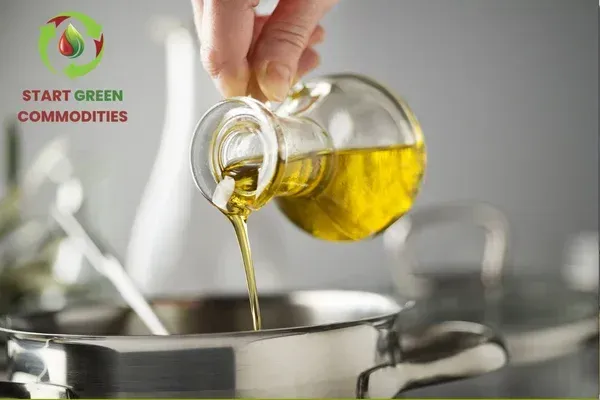
Top 7 Ways Restaurants Can Safely Store Used Cooking Oil
Introduction
Restaurants produce significant amounts of cooking oil daily, and managing used cooking oil collection properly is a critical part of kitchen operations. Improper storage isn’t just messy it can lead to fire hazards, compliance issues, and environmental damage.
For restaurant owners looking to optimize safety and efficiency, understanding practical storage methods is essential. Whether you’re searching for oil recycling near me or planning routine restaurant oil disposal, these tips will help you maintain a safe, compliant, and environmentally responsible kitchen.
Why Proper Storage of Used Cooking Oil Matters
Proper storage is about more than just convenience. Safely storing used cooking oil:
Reduces fire and slip hazards
Preserves oil quality for recycling
Ensures regulatory compliance
Supports sustainable practices in the community
When oil is stored correctly, your kitchen becomes safer, your staff more efficient, and your business more environmentally responsible.
The Risks of Improper Oil Storage
Improper storage of used cooking oil can lead to serious consequences:
Fire hazards – Oil is highly flammable, and storing it near stoves or heat sources is extremely dangerous
Contamination – Oil that leaks or mixes with food debris may not be accepted for recycling
Regulatory issues – Violating local health codes or environmental regulations can result in fines
Operational inefficiencies – Messy or unorganized storage slows down kitchen operations
Avoiding these risks starts with implementing practical storage strategies.
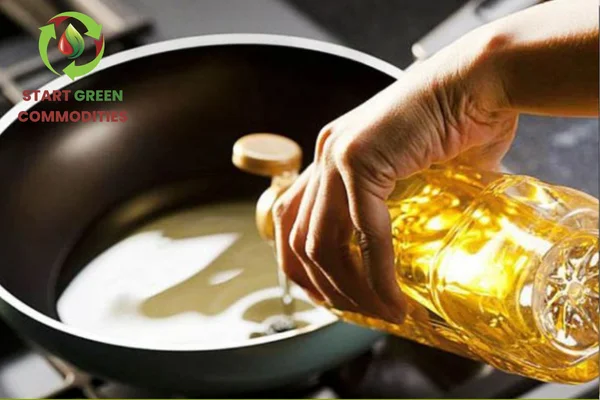
Top 7 Ways Restaurants Can Safely Store Used Cooking Oil
1. Use Approved and Leak-Proof Containers
The first step is to invest in high-quality, approved containers for used cooking oil.
Key tips:
Use leak-proof, sealable containers to prevent spills
Avoid damaged or repurposed containers
Ensure containers are made from materials compatible with oil, such as HDPE plastic
Proper containers not only prevent accidents but also ensure the oil is suitable for recycling, maximizing its value when collected by professionals.
2. Keep Oil Away from Heat Sources
Never store used oil near stoves, fryers, ovens, or any heat-emitting equipment.
Why it matters:
Heat accelerates oil oxidation, reducing quality
Increases fire risk dramatically
Violates health and safety regulations
Designate a cool, shaded area away from traffic and hot surfaces for your storage. This ensures safety for both staff and property.
3. Label and Organize Your Storage
Organization is key to preventing accidents and ensuring compliance.
Best practices:
Clearly label containers as “Used Cooking Oil”
Include collection dates to track usage
Separate oil types if using multiple frying oils
Organized storage simplifies pickup for used cooking oil collection services and prevents contamination.
4. Maintain a Clean and Dry Storage Area
A clean storage area minimizes hazards and keeps oil in good condition.
Tips:
Regularly clean up oil spills or drips
Keep the area dry to prevent container degradation
Use secondary containment trays to catch accidental spills
For guidance on implementing broader kitchen waste management, check trusted resources like Kern UCO Services, which provide industry insights on safe storage and disposal.
5. Monitor Oil Levels and Avoid Overfilling
Overfilled containers can easily tip or spill, creating hazards.
Tips for monitoring:
Never exceed container capacity
Maintain a rotation system: first-in, first-out
Keep smaller, manageable containers for high-volume kitchens
Proper monitoring also ensures your oil remains in recyclable condition for service providers.
6. Schedule Regular Pickups with Professional Services
Regular collection by a professional used cooking oil collection service ensures safe, compliant disposal.
Benefits of professional pickups:
Timely collection prevents storage overcapacity
Professionals handle transportation and compliance documentation
Reduces labor burden on your staff
Supports environmentally responsible recycling
If you’re searching for reliable oil recycling near me, partnering with reputable providers guarantees safe and convenient disposal.
7. Train Staff on Safe Handling Practices
Even the best storage setup fails without proper staff training.
Training tips:
Educate staff on spill prevention and safe lifting
Ensure proper use of containers and PPE (gloves, aprons)
Make emergency procedures clear for fire or spills
Reinforce regular rotation and cleanup practices
Well-trained staff minimizes accidents and ensures your kitchen remains safe and compliant.
Environmental and Compliance Benefits
Safe storage of used cooking oil has far-reaching advantages:
Supports biodiesel production and renewable energy initiatives
Reduces environmental pollution
Ensures full regulatory compliance
Enhances brand reputation among eco-conscious customers
Proper storage makes it easier for providers to process oil into sustainable products. Learn more about converting kitchen waste into energy here:
Turning Kitchen Waste Into Renewable Energy
Partnering With Trusted Oil Recycling Services
Your storage system works best when paired with a professional recycling partner.
Key advantages:
Regular used cooking oil collection
Compliance support for environmental and health regulations
Efficient handling and recycling of oil
Reduced risk of fines or accidents
Providers like Start Green Commodities make this process seamless, while local services like Kern UCO Services offer additional guidance for Ventura-area restaurants.
Conclusion
Proper storage of used cooking oil is essential for kitchen safety, regulatory compliance, and environmental responsibility. By following these seven strategies using proper containers, keeping oil away from heat, organizing storage, maintaining cleanliness, monitoring levels, scheduling pickups, and training staff restaurants can ensure:
A safer workplace
Streamlined restaurant oil disposal
Compliance with local regulations
Maximized recycling efficiency
Restaurants that prioritize used cooking oil collection and storage not only reduce risks but also support sustainability efforts that benefit the broader community.
If you’re searching for reliable oil recycling near me or want to streamline your kitchen waste management, taking action today will protect your business and the environment for years to come.