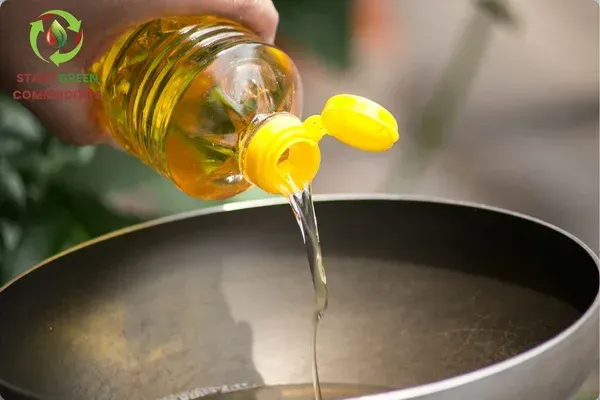
Fuel from Fat: How Biodiesel Is Made from Used Cooking Oil
Table of Contents
The Renewable Fuel Revolution
What Is Renewable Fuel?
Why Used Cooking Oil Is a Biodiesel Superstar
Step-by-Step: How Used Cooking Oil Becomes Biodiesel
Biodiesel Production from Palm Oil vs. Waste Oil
Environmental & Economic Benefits
Challenges and Myths Around Biodiesel
How Restaurants and Homes Can Recycle Cooking Oil
Choosing the Right Used Oil Collection Partner
Future Trends in Oil-Based Renewable Fuels
Final Thoughts
The Renewable Fuel Revolution
For decades, governments, innovators, and environmentalists have been searching for alternatives to petroleum-based diesel. Climate change, rising fuel costs, and the global energy crisis have pushed industries to look for solutions that are cleaner, renewable, and economically viable.
One of the most promising answers? Renewable fuels made from waste streams.
Biodiesel especially biodiesel derived from used cooking oil has fast become a front-runner due to:
Its minimal carbon footprint
Availability of waste cooking oil everywhere
Its compatibility with traditional diesel engines
Its cost-effectiveness
Its ability to turn waste into value
Many U.S. states and European countries now incentivize biodiesel production as part of their commitment to renewable energy.
This rising demand is what leads more individuals and restaurants to search for “cooking oil recycling near me” as responsible disposal becomes mandatory and profitable.
What Is Renewable Fuel?
If you’re working in sustainability, food service, energy, or supply-chain industries, you’ve probably heard the phrase:
“What is renewable fuel?”
In simple terms, renewable fuel is energy produced from sources that naturally regenerate, meaning they don't run out over time. Unlike fossil fuels which take millions of years to form renewable fuels are sourced from:
✔ Biomass (plant and animal oils)
✔ Waste streams
✔ Agriculture residues
✔ Natural biological processes
Biodiesel is classified as a renewable fuel because it comes from organic sources like:
Used cooking oil
Vegetable oils
Palm oil
Animal fats
Algae
When used cooking oil is transformed into biodiesel, it becomes a powerful renewable fuel that reduces greenhouse gases, improves engine lubrication, and produces far fewer pollutants than standard diesel.
Why Used Cooking Oil Is a Biodiesel Superstar
Most people don’t realize how valuable waste oil can be.
Whether you're a restaurant owner or a home cook, the oil left behind from frying chicken, pakoras, fries, or fish can be transformed into high-quality fuel.
Here’s why used cooking oil is ideal for biodiesel production:
1. It's Already a Waste Stream
Instead of being dumped illegally or clogging sewer lines, it becomes a raw material for fuel production.
2. It Reduces the Need for Virgin Oils
Producing vegetable oils requires land, water, fertilizer, and industrial processing. Recycling oil avoids this impact.
3. It Cuts Carbon Emissions Dramatically
Biodiesel from waste oil can reduce lifecycle carbon emissions by up to 86% compared to fossil diesel.
4. It's Readily Available
Restaurants, food manufacturers, and households produce thousands of tons of waste oil every single day.
5. It’s Cheaper to Produce
Compared to producing biodiesel from virgin vegetable oils or palm oil, waste-oil-based biodiesel has significantly lower production costs.
No wonder companies like Start Green Commodities.
are helping expand global access to oil recycling solutions.
Step-by-Step: How Used Cooking Oil Becomes Biodiesel
This is where the magic happens. Turning fryer waste into clean fuel involves science, filtering, chemistry, and precision.
Here’s the complete production journey:
Step 1: Collection of Used Cooking Oil
Businesses often partner with oil recycling companies. Many also search for “cooking oil recycling near me” to find reputable collectors.
Collection steps include:
Installing storage tanks or bins
Scheduled pickups
Certifying the quality of used oil
Transporting the oil to a processing facility
Companies like NW Grease .
offer these services with compliance and environmental safety in mind.
Step 2: Filtering and Pre-Treatment
Used oil is filled with:
Water
Food particles
Impurities
Burnt residues
These contaminants are removed through:
✔ Filtration
✔ Heating
✔ Centrifugation
✔ Degumming
After pre-treatment, the oil becomes clean enough for chemical conversion.
Step 3: Transesterification (The Chemistry Behind Biodiesel)
This is the core step of biodiesel production.
Transesterification involves reacting the cleaned oil with:
Methanol
A catalyst (usually sodium or potassium hydroxide)
The reaction breaks triglycerides in the oil into:
✔ Biodiesel (fatty acid methyl esters – FAME)
✔ Glycerin (a valuable byproduct used in cosmetics and pharmaceuticals)
This chemical transformation is what turns yellowish used oil into a clean, usable renewable fuel.
Step 4: Purification and Washing
To meet international biodiesel standards, the fuel must be purified.
Processes include:
Neutralization
Washing
Drying
Distillation
Purification ensures:
Stable fuel quality
Longer engine life
Cleaner emissions
Step 5: Final Testing and Certification
Each batch of biodiesel undergoes:
Viscosity tests
Cloud point measurement
Flash point testing
ASTM or EN certification
Once certified, the biodiesel is packaged and delivered to:
Fuel distributors
Fleet operators
Transport companies
Power generators
Farmers
And just like that, yesterday’s cooking oil becomes tomorrow’s renewable energy.
Biodiesel Production from Palm Oil vs. Waste Oil
Many countries especially in Southeast Asia produce biodiesel from palm oil due to its affordability and high oil content.
So how does biodiesel production from palm oil compare to production from used cooking oil?
While palm oil biodiesel has helped countries reduce fossil fuel dependence, used cooking oil biodiesel remains the gold standard for environmental sustainability.
Environmental & Economic Benefits
Biodiesel from used cooking oil is more than just recycled waste it’s a catalyst for change.
1. Massive Carbon Footprint Reduction
Lifecycle emissions drop drastically compared to petroleum diesel.
2. Cleaner Engines
Biodiesel burns more cleanly, reducing:
Particulate matter
Sulfur emissions
Greenhouse gases
3. Supports a Circular Economy
Waste becomes a resource. Restaurants get paid for oil instead of paying for disposal.
4. Reduces Water and Soil Pollution
Improper dumping of oil causes severe damage to soil and drainage systems. Recycling prevents this.
5. Job Creation
Processing, collection, trucking, and manufacturing all boost local economies.
6. Energy Independence
Countries rely less on foreign oil imports.
This is why the demand for “cooking oil recycling near me” is rising globally people want responsible, green disposal options.
Challenges and Myths Around Biodiesel
Despite its benefits, biodiesel faces misconceptions.
Myth 1: It Damages Engines
Modern biodiesel (B20, B50, B100) is engine-safe and regulated.
Myth 2: It’s Food vs. Fuel
Not true when using waste oil, which avoids food-resource conflicts.
Myth 3: It’s Expensive
Used oil biodiesel is cheaper than virgin oils.
Real Challenges Include:
Variability in used oil quality
Infrastructure limitations
Need for more collection networks
These challenges, however, are rapidly shrinking as global recycling systems evolve.
How Restaurants and Homes Can Recycle Cooking Oil
Anyone producing waste cooking oil restaurants, commercial kitchens, and households can participate.
Steps for Businesses:
Store oil in leak-proof containers
Partner with certified recyclers
Set up scheduled pickups
Keep oil clean (avoid mixing with water or food)
Steps for Home Users:
Let oil cool
Strain food particles
Store in a sealed jar
Take it to local recycling centers
Search “cooking oil recycling near me”
Following these steps helps ensure the oil can be successfully converted into biodiesel.
Choosing the Right Used Oil Collection Partner
When selecting a provider, look for:
✔ Licensed & insured service
✔ Transparent recycling process
✔ Fair compensation
✔ Environmental compliance
✔ Reliable pickup schedules
Companies like NW Grease provide compliant oil recycling and grease management services that protect both your kitchen and the environment.
Future Trends in Oil-Based Renewable Fuels
The future of biodiesel and renewable diesel is bright. Key innovations include:
1. Advanced Hydrotreated Renewable Diesel (HVO)
Even cleaner and more efficient.
2. Algae-Based Biofuels
High oil content with minimal land use.
3. AI-Optimized Oil Collection Routes
Reducing emissions further.
4. Smart Kitchen Grease Management Systems
Automated recycling.
5. Expansion of Used Cooking Oil Markets
More facilities, more jobs, more sustainability.
The world is moving toward low-carbon fuel systems and used cooking oil is a major player.
Final Thoughts
Waste oil is no longer garbage it's a renewable resource powering trucks, generators, machinery, and entire fleets. The transformation from fat to fuel is reshaping global energy conversations, helping industries reduce emissions, and turning commercial waste into economic opportunity.
If you've been searching for practical ways to contribute to renewable energy or wondering “What is renewable fuel?”, biodiesel is one of the best examples. And it all starts with simple, everyday used cooking oil.
Whether you’re a restaurant owner, sustainability manager, or environmentally conscious individual, recycling your oil helps build a cleaner, smarter future.