10 Signs Your Restaurant Needs More Frequent Oil Collection
Introduction:
Every kitchen sets an oil pickup schedule at some point usually based on a rough guess of how much oil the fryers go through in a given week. The problem is, that guess doesn't always hold up. Menus change. Business grows. Seasons shift. And before long, the schedule you set six months ago no longer matches what your kitchen is actually producing.
The tricky part is that most restaurants don't realize their used cooking oil recycling schedule has fallen behind until something goes wrong an overflowing container, a slow drain, a Based on comments made by a health inspector, or an exasperated staff member who has been cleaning up the mess.
The good news is that the warning signs almost always show up before it becomes a real problem, if you know what to look for.
That's really the goal of this list not to pile on more things for you to worry about, but to give you a practical checklist you can run through in five minutes next time you're closing up the kitchen. Spotting these signs early is the difference between a quick schedule adjustment and a much bigger headache down the line for your whole team.
Below are ten signs that it's time to revisit your cooking oil pickup schedule and talk to your provider about increasing frequency no fluff, just the practical checkpoints worth watching for.
1. Your Oil Containers Are Full Before Pickup Day
This is the most obvious sign, and yet it's the one restaurants tend to ignore the longest. If your storage containers are consistently full or worse, overflowing days before your scheduled pickup, that's not a minor inconvenience. It's a clear signal that your kitchen is producing more oil than your current schedule accounts for.
A full container isn't just an eyesore. It creates a real risk of spills during handling, makes it harder for staff to safely dispose of additional oil, and increases the chance that someone takes a shortcut like pouring extra oil down a drain because the container's already at capacity. If this is happening even occasionally, it's worth adjusting your schedule before it becomes a routine problem.
Pay attention to the pattern, not just a single occurrence. One overly full container during an unusually busy week might just be a fluke. But if it's happening consistently, pickup after pickup, that's your kitchen sending a clear, repeatable signal that the math no longer adds up between what you're producing and how often it's being picked up.
2. Staff Are Improvising Storage Solutions
Take a walk through your kitchen at the end of a shift. Are you seeing oil stored in places it shouldn't be extra buckets, unused pots, anything staff could grab in a pinch? This kind of improvisation is a strong sign that your official storage capacity isn't keeping up with actual volume.
It might seem harmless in the moment, but improvised containers are rarely sealed properly, which increases spill risk, odor issues, and even fire hazards if oil ends up stored near heat sources. If your team has started getting creative with storage, that's your kitchen telling you it needs a more frequent pickup schedule.
Worth noting: this sign often shows up quietly, without anyone officially flagging it. Staff tend to solve the immediate problem in front of them rather than escalating it up the chain, which means management can go weeks without realizing improvised storage has become a regular workaround. A short walkthrough of your storage area every so often is usually enough to catch it early.
3. You've Noticed a Grease Smell Near Storage Areas
Used cooking oil has a distinct smell, and it gets stronger the longer oil sits without being collected. If you or your staff have started noticing a lingering grease odor near your storage area one that wasn't there before it's usually because oil has been sitting longer than it should.
This isn't just unpleasant for staff working nearby. If that smell is noticeable to customers walking past a back entrance or waiting near a delivery door, it can quietly affect their impression of your restaurant before they've even sat down. A stronger, more frequent pickup schedule usually resolves this almost immediately.
4. Your Menu Has Shifted Toward More Fried Items
Menu changes are one of the most common and most overlooked reasons a restaurant's oil output increases. If you've added new fried appetizers, expanded a fish fry night, or introduced a popular fried chicken sandwich that's become a bestseller, your oil usage has likely gone up right along with it.
The problem is that most restaurants don't automatically revisit their pickup schedule when the menu changes. They keep the same collection frequency that worked for the old menu, and the mismatch builds up gradually until it becomes a visible problem. Any time you introduce new fried items, it's worth checking in with your recycling provider about whether your current schedule still makes sense.
5. Business Has Picked Up Since You Set Your Current Schedule
If your restaurant has grown more covers per night, a new second location's worth of foot traffic, a successful marketing push that's brought in steady new business your oil output has grown right along with it, even if nobody's specifically tracked that connection.
Pickup schedules should scale with your business, not stay frozen at whatever volume you were producing when you first signed up for service. If it's been a while since you compared your current schedule to your current sales volume, that comparison is worth making.
A simple way to check this is to look at your sales trends over the past several months and ask whether your fryer-related menu items have followed the same upward trend. If covers are up but your pickup frequency hasn't changed, there's a good chance your schedule is quietly falling behind your actual production.
6. You've Started Doing More Catering or Off-Site Events
Catering and off-site events often involve concentrated bursts of frying think large-batch fried appetizers or a big event menu that don't fit neatly into your restaurant's regular weekly pattern. If you've added catering as a revenue stream, your oil output on those event days can spike well above your normal baseline.
A fixed weekly or biweekly schedule doesn't always account for this kind of variability. If catering has become a regular part of your business, it's worth discussing a more flexible or higher-frequency schedule with your provider so those event-driven spikes don't overwhelm your storage capacity between regular pickups.
It also helps to give your provider advance notice ahead of particularly large events, if your schedule allows for it. A one-time large catering job might not justify a permanent schedule change on its own, but flagging it ahead of time means your provider can plan around it rather than your kitchen being caught off guard by a container that's suddenly at capacity two days early.
7. Drains Near the Kitchen Have Started Running Slower
This one's a warning sign that's easy to miss, or easy to dismiss as an unrelated plumbing quirk. But slow drains near your kitchen especially ones close to your fryer station are often an early indicator of oil-related buildup, sometimes caused by containers that are overflowing enough that oil is finding its way toward drains, whether staff realize it or not.
If you've noticed drains running slower over the past few weeks, don't just assume it's a plumbing issue to schedule separately. It's worth checking whether your oil storage and pickup frequency are keeping pace with what your kitchen is actually producing, since the two issues are often connected.
It's also worth having a conversation with your kitchen staff about this specifically. Line cooks and dishwashers are often the first to notice subtle changes like a slower-draining sink, but they don't always think to mention it to management unless it becomes a bigger problem. A quick check-in during a shift meeting can surface this kind of early warning sign well before it turns into something more serious.
8. You're Handling Overflow Between Scheduled Pickups
If your team has had to manually manage overflow transferring oil to backup containers, calling for an emergency pickup, or simply dealing with a mess because storage filled up early that's a direct sign your current schedule isn't matching your kitchen's real output.
Occasional overflow might happen once in a while during an unusually busy stretch, and that's not necessarily a red flag on its own. But if it's becoming a repeated pattern rather than a rare exception, it's a clear signal that your cooking oil pickup schedule needs to be adjusted rather than continuing to manage overflow reactively every time it happens.
9. Your Restaurant Has Added Extra Fryers or Kitchen Equipment
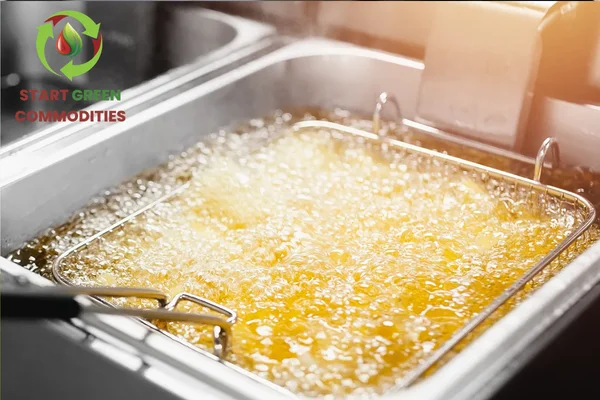
If your kitchen has physically expanded its frying capacity an additional fryer station, upgraded equipment that processes higher volume, or a kitchen renovation that increased your overall cooking capacity your oil output has almost certainly increased as a direct result, even if you haven't measured it precisely yet.
New equipment is one of the more predictable triggers for needing a schedule change, since it directly increases your kitchen's oil-processing capacity. If you've recently added or upgraded frying equipment, treat that as an automatic prompt to review your pickup frequency rather than waiting for other warning signs to show up first.
This is one of the easiest signs to plan ahead for, since equipment changes are usually deliberate decisions rather than gradual shifts you might not notice right away. If a kitchen renovation or new fryer purchase is already on your calendar, put a schedule review on that same calendar so the two changes happen together instead of one lagging behind the other.
10. It's Been Over a Year Since You Reviewed Your Schedule
Sometimes there's no single dramatic sign just the simple fact that a lot of time has passed since your schedule was actually evaluated against your kitchen's current reality. Restaurants change constantly: menus evolve, staff turnover affects consistency, business volume fluctuates with the seasons and local trends.
If it's been over a year since you sat down with your recycling provider to review whether your schedule still fits, that alone is reason enough to have the conversation. Even without any obvious red flags, a periodic check-in ensures your restaurant waste management approach keeps pace with how your business has actually evolved, rather than running on outdated assumptions from a year or more ago.
Think of it the same way you'd think about reviewing any other recurring vendor contract insurance, supply deliveries, cleaning services. Those get revisited periodically because circumstances change, and there's no reason your oil pickup schedule should be treated any differently. Building a simple annual review into your operational calendar takes the guesswork out of it entirely.
Why Getting the Frequency Right Actually Matters
It's worth pausing on why this matters beyond just convenience. A pickup schedule that's fallen behind your kitchen's real output doesn't just create mess and odor it creates real operational and compliance risk.
Overflowing containers increase the odds of spills and improper disposal, which puts you at risk of violating local fats, oils, and grease regulations. Improvised storage solutions raise fire hazard concerns. And drains that are quietly struggling with grease buildup can turn into a full backup at the worst possible moment usually during your busiest service, not a quiet Tuesday afternoon.
On the flip side, getting your schedule right is a fairly simple fix once you know what to look for. We've covered the broader picture of what proper used oil handling looks like in our post on <a href=" target="_blank" rel="noopener">used oil management for restaurants</a>, which walks through the full process from collection through proper disposal in more detail.
How to Actually Adjust Your Pickup Schedule
If you've recognized one or more of these ten signs in your own kitchen, the fix is usually more straightforward than owners expect. Here's the general process:
Track your container fill rate for a couple of weeks note how full containers are right before each scheduled pickup.
Flag any recent changes new menu items, added equipment, increased catering volume, or general business growth.
Reach out to your provider with this information so they can recommend an updated frequency based on your actual current output, not your original estimate from when service started.
Confirm your new schedule and monitor it for a few weeks to make sure it's actually keeping pace.
Revisit it periodically, ideally at least once a year, or any time you notice one of the signs above resurfacing.
This isn't a complicated process, and a good provider should be able to make the adjustment quickly without requiring you to overhaul your entire setup.
A Quick Note on Choosing the Right Provider for a Flexible Schedule
Not every recycling provider makes it easy to adjust frequency when your kitchen's needs change. Some lock restaurants into rigid contracts that don't flex with seasonal shifts or business growth, which defeats the purpose of having a responsive restaurant waste management system in the first place.
When evaluating a provider or reconsidering your current one ask directly how easy it is to change pickup frequency, and how quickly they can respond if your kitchen suddenly needs it. A provider that treats scheduling as a two-way conversation, rather than a fixed contract term, will save you a lot of frustration as your business continues to evolve. For additional perspective on how collection frequency and grease management practices vary across different kitchen types, resources like <a href="https://nwgrease.com/" target="_blank" rel="noopener">NW Grease</a> offer useful industry context worth reviewing.
Final Thoughts
None of these ten signs are dramatic on their own that's exactly why they're so easy to overlook. A slightly-too-full container here, a faint smell there, a menu change nobody connected to oil volume. But together, they paint a clear picture: your kitchen's needs have outgrown your current pickup schedule, and it's time for an adjustment.
The fix is rarely complicated. Most restaurants just need a quick conversation with their provider and a schedule update based on their actual current output. If any of these signs sound familiar, don't wait for an overflow, a slow drain, or an inspector's visit to force the issue. Reach out to your recycling partner, walk through what's changed in your kitchen, and get your used cooking oil recycling schedule aligned with the restaurant you're actually running today not the one you were running when you first set it up. A few minutes of proactive planning now can save you a lot of unnecessary cleanup, cost, and stress later on.