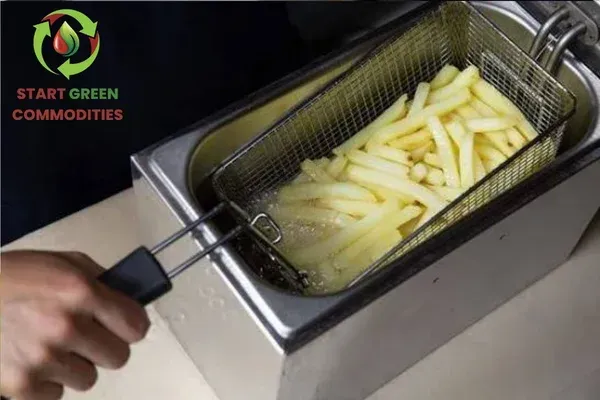
How Biodiesel Is Made from Used Cooking Oil
How Biodiesel Is Made from Used Cooking Oil: A Complete Guide to the Recycling Process
Used cooking oil is something most restaurants, commercial kitchens, and food businesses deal with every day. After frying food, that oil eventually becomes dark, degraded, and unsuitable for cooking. For many businesses, the obvious question is: What should happen to all that waste oil?
Throwing it away may seem like the easiest solution, but used cooking oil has far more value than most people realize. Instead of becoming a disposal problem, it can be collected, processed, and transformed into a useful renewable fuel called biodiesel.
This is where used cooking oil recycling becomes especially important.
Biodiesel from used cooking oil provides a practical way to give waste oil a second life while reducing dependence on conventional petroleum-based fuels. Through a series of collection, filtering, purification, and chemical processing steps, waste cooking oil can become a fuel suitable for use in many diesel-powered applications.
In this guide, we'll explain how biodiesel is made from used cooking oil, why recycling waste oil matters, what happens to the oil during processing, and how restaurants and food businesses can participate in the recycling process.
What Is Biodiesel?
Biodiesel is a renewable diesel fuel made from biological sources such as vegetable oils, animal fats, and recycled cooking oils.
Unlike petroleum diesel, which is produced from crude oil, biodiesel is produced from renewable organic materials. One of the most useful feedstocks is used cooking oil because it is already available as a waste product from restaurants, food manufacturers, cafeterias, hotels, and commercial kitchens.
The basic idea is simple:
Used cooking oil → Collection → Cleaning → Processing → Biodiesel → Renewable fuel
However, producing quality biodiesel involves much more than simply filtering old frying oil and putting it into a diesel engine.
The oil must go through controlled processing to remove contaminants and convert its chemical structure into a form that can function properly as fuel.
That is why professional waste cooking oil recycling is so important.
Why Use Cooking Oil for Biodiesel?
Cooking oil contains fats and oils that store chemical energy. When oil is used for frying, it does not suddenly lose all of its value. It becomes contaminated and chemically altered through repeated heating, but it still contains valuable compounds that can be processed into fuel.
Restaurants generate large amounts of used cooking oil, making it a readily available waste resource.
Instead of allowing that oil to enter drains, landfills, or inappropriate disposal systems, recycling facilities can collect it and send it into a recovery process.
This creates a circular system:
Cooking oil is used to prepare food.
The oil becomes unsuitable for further cooking.
The restaurant stores the used oil.
A recycling service collects it.
The oil is cleaned and processed.
The recovered oil becomes a biodiesel feedstock.
Biodiesel is used as renewable fuel.
This approach turns a waste stream into a useful resource.
How Biodiesel Is Made from Used Cooking Oil
The exact industrial process can vary depending on the quality of the oil, the technology being used, and the desired fuel specifications. However, the overall process generally follows several important stages.
Step 1: Used Cooking Oil Is Collected
Everything begins with collection.
Restaurants and commercial kitchens accumulate used frying oil after preparing foods such as french fries, chicken, fish, vegetables, and other fried products.
Rather than pouring the oil down a sink or throwing it into general waste, businesses can place it into designated collection containers.
Professional recycling companies then collect the oil and transport it to a processing facility.
Proper collection is more important than it might seem. When restaurants handle used oil correctly, they reduce the risk of spills, plumbing problems, unpleasant odors, and environmental contamination.
It also ensures that the oil remains available as a valuable recycling feedstock.
Step 2: The Oil Is Inspected and Sorted
Once the used oil reaches a processing facility, it is inspected.
Not all used cooking oil has the same quality. Some batches may contain large quantities of food particles, water, grease, salt, or other contaminants.
The recycler evaluates the material to determine how it should be processed.
Oil with excessive contamination may require additional treatment before it can move to the next stage.
This step helps maintain consistency and makes the downstream processing more efficient.
Step 3: Food Particles and Solid Contaminants Are Removed
Used frying oil often contains small pieces of food and other solid materials.
These contaminants need to be removed before the oil can be converted into biodiesel.
The oil may pass through screens, filters, settling systems, or other separation equipment designed to capture solid particles.
Removing these materials protects processing equipment and improves the quality of the recovered oil.
This is one reason why businesses should avoid mixing unnecessary waste into their used oil containers.
Cleaner oil is generally easier to process.
Step 4: Water Is Removed
Water is another major contaminant found in used cooking oil.
During cooking, water from food can enter the frying oil. Cleaning activities and improper storage can also introduce moisture.
Water can interfere with the chemical reactions used during biodiesel production, so it must be reduced or removed before further processing.
Industrial facilities use controlled heating, settling, separation, or other techniques to reduce moisture content.
The goal is to create a cleaner and more consistent oil feedstock.
Step 5: The Oil Is Further Purified
After removing larger contaminants and excess moisture, the oil may undergo additional purification.
Depending on its condition, this can involve filtering, settling, centrifugation, or other treatment methods.
The purpose is to remove remaining impurities and prepare the oil for chemical conversion.
At this point, what was once considered restaurant waste is becoming a much more useful raw material.
This is one of the biggest advantages of used cooking oil recycling: the recycling process doesn't necessarily mean the original material has to disappear. Instead, its useful components can be recovered and transformed into something valuable.
Step 6: Chemical Properties Are Evaluated
Before converting used cooking oil into biodiesel, processors may evaluate characteristics such as moisture, free fatty acid levels, and other properties.
This matters because used cooking oil can vary significantly depending on how it was used.
For example, oil that has been heated repeatedly may have different characteristics from relatively lightly used oil.
The processing method may therefore be adjusted based on the condition of the feedstock.
This is an important distinction between industrial biodiesel production and simply attempting to reuse old cooking oil.
Producing consistent fuel requires controlled processing and quality management.
Step 7: Pretreatment May Be Required
Some used cooking oils contain relatively high levels of free fatty acids.
When this happens, pretreatment may be necessary before the main biodiesel conversion process.
The purpose of pretreatment is to prepare the oil so that the primary conversion reaction can work efficiently.
The exact approach depends on the characteristics of the feedstock and the production technology being used.
This is why there is no single universal recipe for turning every batch of used cooking oil into biodiesel.
Commercial facilities must account for feedstock quality and carefully control the process.
Step 8: Transesterification Converts the Oil into Biodiesel
This is the key chemical stage in traditional biodiesel production.
The purified oil contains triglycerides. Through a process called transesterification, these triglycerides react with an alcohol in the presence of a catalyst.
The reaction produces two primary products:
Biodiesel, technically known as fatty acid alkyl esters
Glycerol, also called glycerin
In simplified terms:
Vegetable oil or used cooking oil + alcohol + catalyst → biodiesel + glycerol
The biodiesel is separated from the heavier glycerol phase.
This chemical transformation is what changes the original cooking oil into a fuel with properties more suitable for diesel applications.
The resulting biodiesel can then go through additional purification and quality-control steps.
Step 9: Biodiesel Is Separated and Purified
After the chemical reaction, the mixture contains biodiesel along with glycerol, residual chemicals, soaps, alcohol, and other materials.
These substances need to be separated from the biodiesel.
Industrial biodiesel facilities use controlled separation and purification methods to remove unwanted components.
The goal is to produce a fuel that meets appropriate quality specifications.
Depending on the production system, purification may involve washing, drying, filtration, distillation, or other processes.
The final product must be carefully tested before it is considered suitable for its intended application.
Step 10: Biodiesel Is Tested for Quality
Producing biodiesel isn't simply about completing the chemical reaction.
The final fuel needs to meet relevant quality requirements.
Testing can evaluate properties such as:
Water and sediment
Viscosity
Acid value
Oxidation stability
Flash point
Free and total glycerin
Fuel purity
Other relevant fuel characteristics
Quality testing is important because poorly processed biodiesel can cause performance problems.
Professional producers therefore treat quality control as an essential part of the recycling process rather than an optional final step.
What Happens to the Glycerol?
Biodiesel production doesn't only create fuel.
The transesterification process also produces glycerol.
Glycerol can have commercial value when it is properly recovered and purified. Depending on its quality and the processing facility, it may be used in different industrial applications.
This is another example of how recycling can create value from materials that might otherwise be treated as waste.
Instead of viewing used cooking oil as something that simply needs to be thrown away, a recycling operation can recover multiple useful outputs from the original material.
Why Used Cooking Oil Recycling Matters
The environmental value of recycling used cooking oil goes beyond biodiesel production.
Improperly discarded cooking oil can create serious problems.
When oil is poured down drains, it can accumulate inside pipes and contribute to blockages. If large quantities enter wastewater systems, it can create additional challenges for treatment infrastructure.
Oil can also be improperly discarded with solid waste, creating unnecessary waste-management problems.
Used cooking oil recycling provides a better alternative.
Rather than treating the oil as worthless waste, businesses can send it into a recovery system where it can become feedstock for useful products.
For restaurants, this also creates a more responsible approach to managing a material they generate every day.
What Is Waste Cooking Oil Recycling?
Waste cooking oil recycling refers to the collection, processing, recovery, and reuse of oil that has already been used for cooking.
Biodiesel production is one important destination for recovered cooking oil, but recycling can involve other applications and recovery pathways as well.
The key principle is resource recovery.
Instead of:
Use → Dispose
the process becomes:
Use → Collect → Recover → Reprocess → Reuse
This circular approach helps businesses reduce unnecessary waste while giving used oil another productive purpose.
The Difference Between Used Cooking Oil and Waste Cooking Oil
You may see the terms "used cooking oil" and "waste cooking oil" used interchangeably, but context can matter.
Used cooking oil generally refers to oil that has already been used for frying or cooking and is no longer suitable for its original purpose.
Waste cooking oil is often used as a broader term for cooking oil that has become waste and is ready for collection or recycling.
Both terms are commonly associated with recycling programs and biodiesel feedstocks.
For SEO purposes, you'll often see searches such as "used cooking oil recycling," "waste cooking oil recycling," and "biodiesel from used cooking oil." They all reflect a growing interest in finding productive alternatives to simply throwing cooking oil away.
How Restaurants Can Make Oil Recycling Easier
Restaurants don't need to understand the chemistry of biodiesel production to participate in recycling.
Their most important responsibility is proper collection and storage.
A good restaurant oil-recycling routine can include:
Keep Used Oil Separate
Don't mix cooking oil with general trash, chemicals, cleaning products, or other waste.
Keeping the oil separate helps protect its quality and makes collection easier.
Use Appropriate Containers
Store used oil in suitable containers designed for the purpose.
Containers should be stable, properly positioned, and protected from unnecessary contamination.
Avoid Pouring Oil Down the Drain
This is one of the most important habits a commercial kitchen can develop.
Even if the oil is warm and appears easy to pour, drains are not an appropriate disposal method for large quantities of cooking oil.
Schedule Regular Collection
Restaurants that produce significant quantities of used oil should establish a predictable collection schedule.
Regular collection prevents storage containers from becoming overloaded and keeps the kitchen's waste-management process organized.
Work With a Recycling Company
A professional recycling service can help businesses manage collection and ensure that recovered oil enters an appropriate recycling stream.
For businesses looking to understand what happens after collection, Start Green Commodities also provides information about the journey of waste cooking oil after it leaves the kitchen. You can learn more in this guide on what happens to waste cooking oil after recycling.
From Restaurant Waste to Renewable Fuel
One of the most interesting parts of biodiesel from used cooking oil is the transformation that takes place.
Consider a typical restaurant.
A kitchen buys fresh cooking oil.
The oil is used to prepare food.
After repeated heating, it can no longer be used for cooking.
At first, it looks like a waste product.
But instead of sending it to a landfill or pouring it somewhere it doesn't belong, the restaurant stores it for collection.
A recycler collects the oil.
The oil is transported to a processing facility.
Food particles, water, and other contaminants are removed.
The oil is chemically processed.
Biodiesel is produced.
The final fuel can become part of the renewable fuel supply chain.
That is a remarkable transformation: something that started as a restaurant waste product can become a useful energy resource.
Is Biodiesel from Used Cooking Oil Really Renewable?
Biodiesel from used cooking oil is considered a renewable fuel because its feedstock comes from biological materials rather than extracted fossil resources.
However, it is important to be precise.
The environmental benefits of biodiesel depend on the entire lifecycle, including collection, transportation, processing, fuel use, and other factors.
Even so, recycling a material that has already served its original purpose can be a valuable part of a broader circular economy.
The advantage is particularly clear when compared with simply discarding a useful waste material.
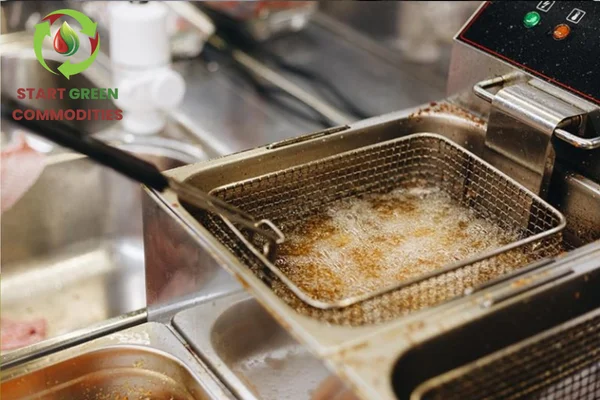
Why Biodiesel Is Different From Straight Used Cooking Oil
A common misconception is that used cooking oil can simply be poured into a diesel vehicle and treated as biodiesel.
That's not how conventional biodiesel production works.
Raw or used cooking oil and biodiesel are chemically different.
Used cooking oil contains triglycerides and other compounds that can create problems when used directly in engines that aren't designed or modified for vegetable oil.
Biodiesel, on the other hand, is produced through chemical conversion that changes the oil into fatty acid esters with properties more appropriate for diesel fuel applications.
This distinction is extremely important.
Used cooking oil is a feedstock. Biodiesel is the processed fuel.
Understanding this difference helps explain why professional processing and quality control are necessary.
The Role of Professional Recycling Services
For a restaurant owner, managing used oil shouldn't require becoming a biodiesel chemist.
The practical solution is to establish a reliable collection system.
Professional recyclers can handle the logistics of collecting used cooking oil and moving it into appropriate recovery channels.
For businesses in the Pacific Northwest, NW Grease is an example of a company focused on used cooking oil recycling and related grease services.
Working with a dedicated recycling provider can make the process easier for commercial kitchens while helping keep used cooking oil out of inappropriate disposal systems.
How the Recycling Process Creates a Circular Economy
The concept behind cooking oil recycling is bigger than one restaurant or one tank of biodiesel.
It is part of a circular economy.
In a traditional linear system, resources follow this pattern:
Extract → Produce → Use → Dispose
A circular system attempts to keep materials useful for as long as possible:
Produce → Use → Recover → Process → Reuse
Used cooking oil fits naturally into this model.
The oil is originally produced for food preparation. Once it has completed that role, recycling allows its remaining value to be recovered.
The material can then become feedstock for another product rather than immediately becoming waste.
This is one reason the recycling industry is important to sustainable resource management.
What Restaurants Should Do With Used Cooking Oil
If your restaurant generates used frying oil, the best approach is to make recycling part of your normal kitchen routine.
A simple process can look like this:
1. Finish cooking.
Allow the oil to cool according to your kitchen's safety procedures.
2. Collect the oil.
Transfer it into the designated collection container.
3. Keep contaminants out.
Avoid mixing the oil with trash, chemicals, water, or unrelated materials.
4. Store it properly.
Keep containers secure and positioned in an appropriate area.
5. Arrange collection.
Work with a reliable oil recycling service.
6. Let the recycler handle processing.
The collected oil can then be filtered, purified, processed, and potentially converted into biodiesel or other recovered products.
This makes recycling a normal part of the restaurant's waste-management system rather than an extra task that gets forgotten.
Common Questions About Biodiesel from Used Cooking Oil
Can all used cooking oil become biodiesel?
Used cooking oil can be a valuable biodiesel feedstock, but its suitability depends on its condition and contamination levels.
Processing facilities may use different pretreatment and purification methods depending on the characteristics of the collected oil.
Why does used cooking oil need to be filtered?
Filtering removes food particles and other solid contaminants that can interfere with processing.
Additional purification may be required to address water and other unwanted materials.
Does used cooking oil need chemical processing?
Yes. Conventional biodiesel production involves chemical conversion, typically through transesterification.
Simply filtering used oil does not turn it into conventional biodiesel.
What is produced besides biodiesel?
Glycerol is a major co-product of traditional biodiesel production.
Depending on the processing facility and purification level, recovered glycerol may have additional applications.
Why shouldn't restaurants pour oil into drains?
Cooking oil can accumulate in plumbing systems and contribute to blockages and wastewater problems.
Collecting it for recycling is a much more responsible approach.
Is recycling better than throwing cooking oil away?
Recycling allows the material to retain value and potentially become a useful feedstock for renewable fuel and other applications.
The specific environmental impact depends on the entire recycling and production lifecycle, but recovery is generally preferable to inappropriate disposal.
The Future of Used Cooking Oil Recycling
As businesses and communities look for better ways to manage resources, waste materials are increasingly being viewed as potential feedstocks rather than worthless trash.
Used cooking oil is a good example.
Every day, restaurants generate oil that has already served its purpose in the kitchen. But the story doesn't have to end there.
Through collection, purification, and chemical processing, that material can become part of the renewable fuel supply chain.
Advances in recycling technology, collection logistics, feedstock processing, and renewable fuel markets may continue to increase the value of recovered cooking oils.
For restaurants, the message is straightforward: your used cooking oil still has value after it leaves the fryer.
Final Thoughts: Turning Waste Cooking Oil Into Something Valuable
The process of making biodiesel from used cooking oil demonstrates how recycling can turn an everyday waste product into a valuable resource.
It starts in a restaurant kitchen, where cooking oil is used to prepare food. Once the oil reaches the end of its useful life, proper collection prevents it from becoming a disposal problem.
From there, professional recyclers collect and transport the oil for processing.
The oil is inspected, filtered, separated from food particles, treated to remove water and other contaminants, and prepared for chemical conversion. Through transesterification, the cleaned oil can be converted into biodiesel and glycerol. The biodiesel is then purified and tested to ensure that it meets appropriate quality requirements.
The entire process illustrates the value of used cooking oil recycling.
Instead of treating waste as the final stage of a product's life, recycling creates another stage.
For restaurants, food businesses, and commercial kitchens, participating in waste cooking oil recycling is a practical way to manage a common waste stream responsibly. For the recycling industry, that same waste stream can become a valuable source of renewable feedstock.
Ultimately, the journey from used fryer oil to biodiesel is a reminder that waste doesn't always have to mean worthless.
Sometimes, it simply means a resource is ready for its next use.
For more information about how used oil can be transformed into biodiesel, explore this guide to biodiesel from used oil from Start Green Commodities.